Now common practice to breed earlier
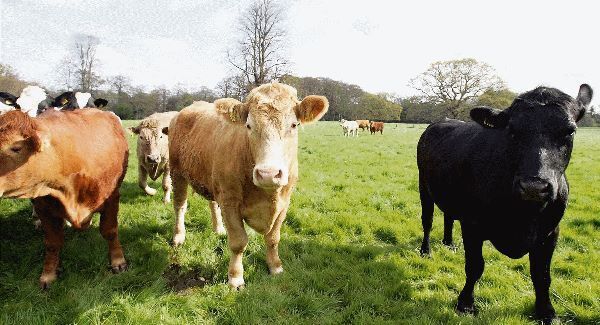
Most stock are now on grass, and most farms will have sufficient grass, if conditions don't deteriorate dramatically. The next few weeks are critical in grassland management; getting it wrong will result in poorer quality grass for the rest of the year.
Replacement Heifers
Breeding replacement heifers is an important part of any suckler enterprise. Management strategies and goal setting should be used to en-sure money invested in genetics is put to good use.
Up to recently, breeding replacements before two years old was almost unheard of, but it is now common practice to breed at 15 months or even younger. The current approach is based on "target weights." Heifers are fed to reach a target percentage of mature body weight before breeding. Farmers who sub-scribe to this method are advised to grow heifers to 65-70% of their estimated mature weight, before breeding.
Breeding heifers younger and lighter yields an earlier calf, and investment return, but may require more careful management at calving.
Many factors influence fertility and age of puberty — including genetics, nutritional status, environment and body weight. Certain management practices can reduce the average age of puberty.
Heifer selection by genetic evaluation is also important, for improving herd fertility. Selecting for certain physical, performance, and genetic traits can pinpoint heifers most likely to be productive and reproductively efficient.
The most obvious factors when selecting replacements are body size, strength, conformation and type. Though physical needs may vary slightly between herds, most should look for structurally sound females with adequate muscling, sufficient volume and depth of body. Heifers with a poor frame, insufficient muscling, and lack of depth and body are more likely to have decreased productivity and longevity.
Performance
As most herdowners sell calves shortly after weaning, calf growth rate and weaning weights are of significant economic importance. Faster growing heifers should produce heavier weanlings.
Temperament
Temperament is often over-looked when selecting breeding stock. Calmer animals are obviously much easier to handle, and have been shown to gain more weight than easily agitated cattle.
Cows with poor temperament can be very dangerous, particularly just after calving —a major problem, when you need to handle the calf.
Age at puberty
Genetics play a major role in fertility — it is possible to select for early maturing. Breeds such as Angus and Hereford generally reach puberty earlier.
Heifers from dairy herds
Many suckler farmers try to source replacements from dairy herds, in order to improve milk volumes. This can be an excellent strategy, delivering good maternal traits. Limousin, Simmental, Hereford and Angus heifers from dairy herds tend to make good sucklers. Take care that dams are not extreme dairy types, which have an adverse effect on carcass confirmation.