Cultivation is 90% about repairing compaction
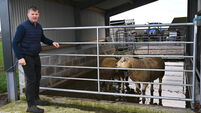
It’s one of the consequences of current farming systems. said Professor Simon Black-more, head of engineering at Harper Adams University, the UK’s leading specialist of higher education for the agri-food chain and rural sector.
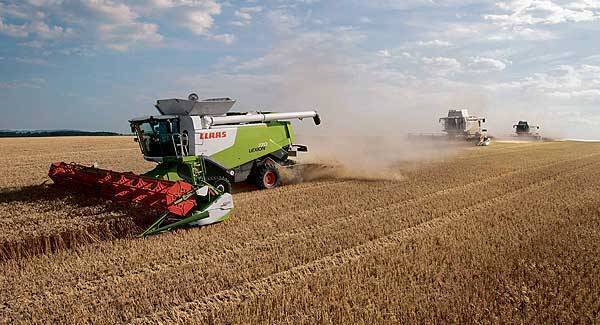
He told the recent Oxford Farming Conference that machines are getting bigger all the time to justify driver costs, and to keep costs down by increasing work rates.
The bigger the machine, the smaller the working window needed. Machines are now reaching maximum sizes; if combine harvesters get any bigger, they will not fit in railway tunnels for transport.
Many farms are now over-powered, and energy is wasted, where the tractor is not matched to the implement, said Prof Blackmore.
But horsepower does not help when weight is the problem — up to 96% of fields are being compacted by tyres.
Draught force exerts equal vertical force on the ground. Using vertical or rotary methods rather than draught cultivation was suggested by the Harper Adams expert.
Or machine guidance systems can optimise route planning to reduce compaction and save time, fuel and inputs.
Or lighter, low- g round pressure vehicles can work in wet weather conditions without damaging the soil. In harvesting, lifting only the 60% portion of most crops which has 100% saleable characteristics (phased harvesting) can also protect soils from damage.
Agricultural robots can play a role in taking heavy machines off the fields through the growing season, including drones which can fly over crops to monitor their progress. But some operations will always need large, manned machines, such as harvesting potatoes or sugar beet.
Today’s farming systems were developed post-war, for maximum crop production, but farmers in 2014 face different pressures — such as changing world prices, EU water directives, and more volatile weather.
¦ Harper Adams University is testing systems more suited to today’s farming — such as robot weed control by laser or microdot spray.
These trials, funded by a major agro-chemical company, include a machine which “sees” the growing point of a weed and scorches it to death with a laser beam, cutting herbicide use 100%.
A similar machine on test recognises and records the position of plant leaves, and sprays just 1% of the normal herbicide volume, pinpointing weed leaves only.
Prof Blackmore said much of the sensors and computing power to revolutionise farming technology was already researched and developed, but not available because of lack of demand.