Drop in fertiliser use threatening opportunities
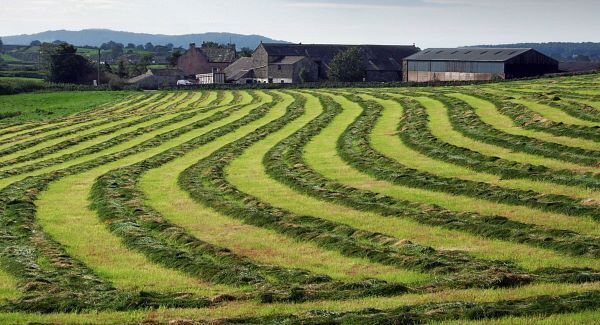
The vast potential for increased production, by making better use of our grassland, is not being exploited.
For example, the average utilisation of grass on dairy farms, according to the National Farm Survey (NFS), is 6.6 tonnes of dry matter per hectare, while the current utilisation in Moorepark is 11 to 12 tonnes per hectare.
Utilisation close to the Moorepark figure is also being achieved on most of our top farms. Obviously, this may not be achievable on heavy land, especially in wet years.
But most farmers could increase grass production and utilisation by over 50%, through reseeding, proper fertilisation, improved facilities and appropriate stocking rates.
When the opportunity for increasing cow numbers arises, we need a vast improvement in grass utilisation and stocking rates.
The first step is to soil test and bring soil fertility up to optimum levels.
Analysis of the data from the NFS shows that, given the infrastructure on farms, and expected gains in productivity per cow, the existing population of dairy farmers could increase national milk production by 72% by 2020.
This, of course, requires proper grassland management.
However, when anticipated farmer exits from milk production, and costs of expansion, are considered, this figure falls to between 20 and 50%, largely depending on milk price and supports. Personally, I feel that we could maintain the vast majority of our present family dairy farms, through a fairer distribution of CAP payments.
This is unlikely to happen, because pressure on the Department of Agriculture is for fewer and bigger dairy farms.
The most important event governing the future of tens of thousands of family farms — and rural Ireland — will be the final decision on distribution of Single Farm Payments (SFP).
There is grave concern about future distribution among farmers who have been getting very poor SFPs.
There is strong support among farm organisations to maintain a system as close as possible to what we have already, which has been described by Commissioner Dacian Ciolos, and most neutral observers, as unfair and unjust.
I am sure that the 80% of farmers who get less than 20% of the present CAP funding would agree.
Hopefully, these farmers will get a fairer share of the new CAP.
The biggest risk for dairy farmers, facing into the post-quota era, is that they will try to get big too fast, and over-borrow.
The first step for every farmer, before expanding, is to become as efficient as possible with what they have.
Another worrying statistic: less than 10% of dairy farmers have attended recent Teagasc and other conferences regarding expansion. Why didn’t more attend?