European Commission to review union’s air quality policy
European Environment Commissioner Janez Potocnik has indicated that the package will create a roadmap for people to live longer, become healthier, and protect the most fragile ecosystems better.
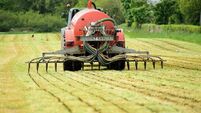
Copa Cogeca, the umbrella body for European farmers and co-ops, has warned, however, that the plans to cut ammonia emission by up to 30% are not realistic, achievable, cost effective or backed-up by science.
It said the Commission plans also fail to take into account reductions and investments already undertaken by the farm sector at a big cost.
Copa-Cogeca Secretary-General Pekka Pesonen said measures aiming at reducing green house gas and air pollutant emissions from agriculture could result in a drop in EU production.
This would threaten food security at a time when world food demand is set to rise 70% by 2050. This must be taken into account, he said, urging the Commission to revise the proposals.
However, a recent survey of 25,000 citizens in each member state showed that air quality is a major concern for citizens throughout Europe.
Commissioner Potocnik said people are worried about the impact of poor air quality on their health, especially the health of their children and other vulnerable people. And they are also worried that so many of the natural areas which they enjoy and have worked to restore are badly affected by air pollution.
“Our review analysis confirms that air pollution is the number one environmental cause of death in the EU, with over 400 000 premature deaths in 2010.
“That’s more than 10 times the deaths from traffic accidents. This is a huge cost to citizens’ health and the economy,” he said.
Mr Potocnik said the external costs were between €330-940 billion per year in 2010.
Significant direct impacts on the economy include 100 million lost work days each year, with a direct cost of about €15bn in lost productivity. Bad air also adds €4bn to healthcare costs because of hospitalisation.
The Commissioner said the air policy package he will present will set out a clear strategy, including new binding emission ceilings and targeted source control measures with the target years 2020, 2025 and 2030.
“Effective air policy is in fact about creating a better society for all,” he said.