Savage tale of how women lose names
At one level, it was just another routine Saturday wedding of a happy couple.
At another level, though it was a ritualised scandal.
You see, what happened was that the bride walked up the aisle as a proud modern member of the O’Brien clan, a clan which is directly descended from the High Kings of all Ireland, which is rightly proud of that bloodline, and keeps itself well informed about all aspects of a long and distinguished history. It is a name which every member of the clan carries with rightful pride and honour.
But the moment that O’Brien bride said “I do” and formally bound herself in marriage to her husband until death do them part was extremely and horribly significant.
In real terms, a proud O’Brien was wiped from the face of the parish, she instantly ritually was deprived of her maiden name and, I would argue, some elements of her individuality.
Worse still, to brutally underscore the scandal of Irishwomen losing their real names when they marry, was the fact that her husband’s name is Savage. So she will be a Savage for the rest of her life, will almost certainly bring Savage sons and daughters into this world, and will not be reunited with her own ancient clan until the appearance of a dread obituary notice which says, Savage (née O’Brien) — hopefully many, many decades ahead of us.
That is terribly unfair to the young women of Ireland.
I have changed the names of the clans involved to protect the innocent parties involved. But the truth is that the real clan names of the new wife and husband (God bless them both) represent an even more distasteful reality.
There are a lot of strange Irish surnames out there, and there are not that many clans with bloodlines that go back as far as Brian Boru.
It strikes me suddenly that my eminent colleague on this paper, the great Terry Prone, married a genuine Savage many years ago.
But proud feminist Terry bucked the national trend away back then, and retained her maiden name.
It is amazing, in this age when feminism is rampantly strong and successful in so many zones, that the sisterhood has not long since rebelled against the reality of losing their names when they consent to marry.
Imagine the furore there would be if the shoe was on the other foot, and we men had to surrender our names upon marrying. There would be hell to pay on all sides.
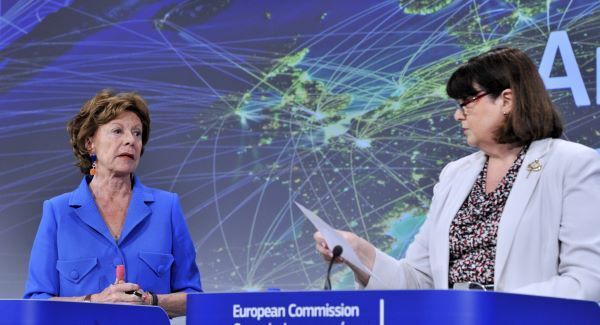
There is a minority of wives who retain their maiden names upon marriage, and travel through life afterwards with a hyphenated surname featuring both clans. There are often significant advantages to that, across the scale. A good example is provided by the acuity of the former Fianna Fáil politician, Maire Geoghegan-Quinn, now a leading force in Europe.
Maire was first elected in Galway, not just because of Fianna Fáil power there, but largely because her father Johnny Geoghegan had been the driver of the Connemara bus before entering politics, and routinely diverted from his assigned route to drop elderly folk down boreensto their doorsteps.
When she married, she retained that priceless Geoghegan legacy and, though the long awkward name spilled right out to both edges of the election posters, it always worked the oracle, and she was never defeated in all her Irish elections.
Many years ago, I knew two extremely elegant and fashionable sisters, who were members of the Pope clan from Cork.
They were working far away from home ground and, though extremely popular and admired by all menfolk, neither of them ever married.
It was claimed locally that potential husbands were deterred by the reality that if they did wed them, they would somehow be extinguishing a Pope.
I also once had a chat in Bundoran with a very downhearted young FCA trainee soldier on a summer course in Finner Camp. He told me that the love of his life had refused to become his fiancée, because his surname was Sex. I believed him fully, even though I’ve never since encountered any man or woman saddled with that A bit of a load to carry, for sure.
Sometime soon, I hope, the scandal will end, and Irishwomen will not have to surrender so much of what they really are when they say “I do”. The sooner that day arrives, the better for all concerned.