Expectations lower in WTO
But their negotiating difficulties were good news for France, Cyprus, Greece and Ireland, which led opposition this week to European Trade Commissioner Peter Mandelson's ambitious EU offer to cut agricultural tariffs by 46%.
"Do not doubt the determination of France to reject a trade deal in Hong Kong that threatens the CAP," said French Foreign Minister Philippe Douste-Blazy.
However, trade negotiators were saying privately that they believe the EU still has some room to improve its agricultural market access offer, but only if Brussels can show big gains in non-agricultural areas, in order to persuade France to budge from its strong opposition.
Martin Territt, the Director of the European Commission in Dublin said the EU's agriculture proposals must unlock progress in other world trade areas, particularly industrial products and services, which are crucial to the Irish and broader European economy.
He said a trade agreement will mean new challenges but also new opportunities for EU farmers.
"Other countries will have to reform their trade-distorting export programmes. So there is no question of opening up the floodgates to cheap imports.
"There are a series of strict conditions to our offer."
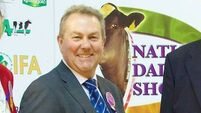
But IFA President John Dillon told thousands of IFA protestors in Dublin Tuesday that Irish farm income would be cut to €4.80 per hour; €1.2bn per year would be knocked off Irish farm output; and 50,000 jobs would be lost, if the EU offer of a 46% cut in food import tariffs becomes part of a WTO deal.
Europe would become the dumping ground of the world food market, he said.