AIPB plants to resume slaughtering after protests

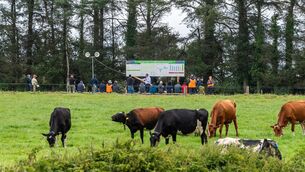
SLAUGHTERING at six meat factories will resume today after coming to a halt yesterday as farmers protested over cattle prices. The protests outside the AIBP Goodman plants at Nenagh, Cahir, Bandon, Rathkeale and Clones were suspended last evening, but the Irish Farmers' Association warned it has plans in place for further action if cattle prices do not rise.
AIPB plants to resume slaughtering after protests

The IFA said meat factories had cut cattle prices five times by 95 per head over the last 10 weeks, despite strong exports, high prices in British and European markets and increased access to the Russian market. It said Irish male cattle prices are now the lowest in Europe.

However, the Irish Meat Association, representing processors, said that despite difficulties in finding enough outlets for an increased volume of beef, the average price paid for cattle this year is about 2% higher than last year.

AIBP, the country's largest meat processor, said it always paid and will continue to pay a fair market price to its farmer suppliers. The prices it pays are among the highest in the industry.

But IFA leader John Dillon said the protest at the AIBP plants was just the first stage in a more intensive campaign to secure viable cattle prices for farmers. He said an IMA statement in yesterday's papers was "a charter for failure for the Irish beef industry".

By their own admission the beef factories are incapable of marketing Irish beef at viable prices, he said, leaving producers with only two options: secure a significant increase in live exports to bring competition into the trade, or substantially cut production.

"The abject failure of the meat factories in marketing Irish beef has left livestock farmers with uneconomic low prices and the lowest incomes of any farming sector."

Mr Dillon said the British market remains very strong with increased demand and prices equivalent to 2.81/kg (100p/lb). Exports to Britain will increase again this year and are expected to reach 270,000 tonnes.

He said cattle prices across European markets have increased by 40 a head since July and demand for Irish beef has increased. Exports to Europe will increase by 36% this year, with increased exports to the high-priced markets of Holland, Italy, Sweden and France.

The lifting of the six-county Russian ban provides market access for an additional 36% of our prime cattle, he said In its statement, however, the IMA accused the IFA of misleading farmers into believing that artificially high cattle prices can be sustained.

It said that over 90% of cattle slaughtered in Ireland has to be sold to export markets. The prices that meat factories pay for cattle are determined by the returns from available market outlets.

While the decision by Russia is a vote of confidence in Irish beef, it does not mean that Russia will buy more beef, nor that higher prices are or will be available. The IMA said the majority of Irish beef exported to Britain is destined for the wholesale, manufacturing and food service sectors where stiff competition from lower-priced South American beef dampens the returns available.

More in this section

Farming

Newsletter

Keep up-to-date with all the latest developments in Farming with our weekly newsletter.

Cookie Policy Privacy Policy Brand Safety FAQ Help Contact Us Terms and Conditions

© Examiner Echo Group Limited