Oppo Find X9 Pro review: A 2026 flagship with class-leading battery life and one of the most versatile camera systems around

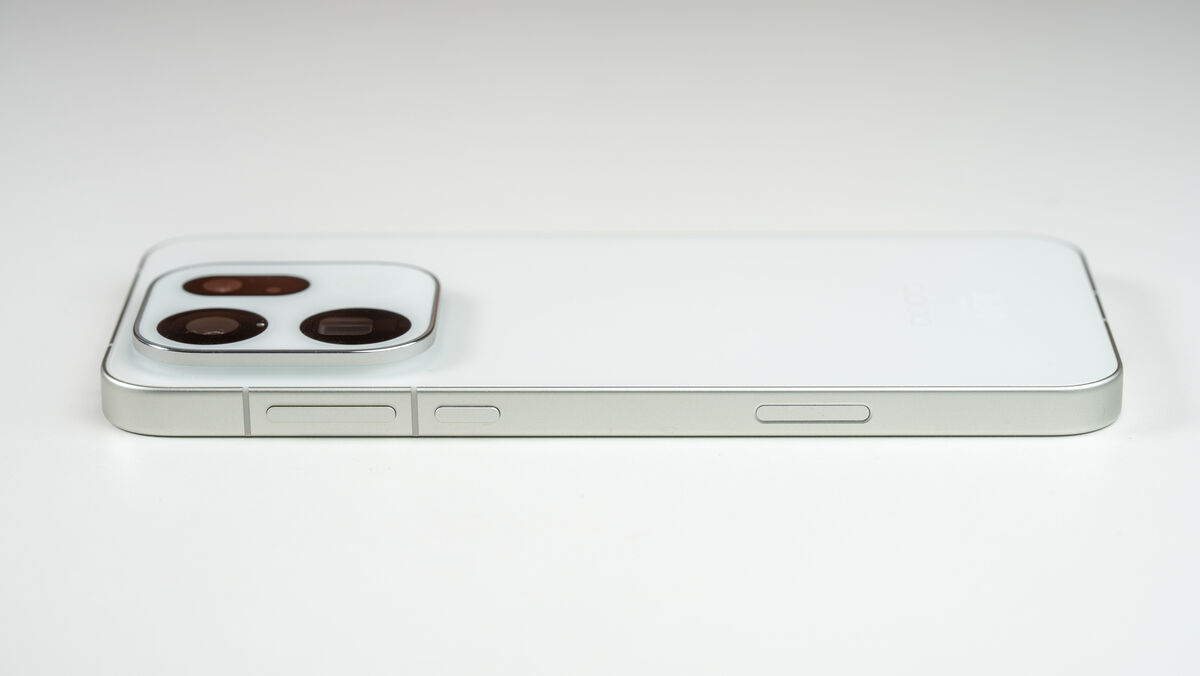
The Oppo Find X9 Pro features a premium glass and aluminium design with a distinctive square camera module. Picture: Noel Campion.
The Oppo Find X9 Pro has been around since the tail end of last year, but after spending several weeks living with it, you quickly realise it hasn’t been left behind. In fact, it still feels like one of the most complete flagship phones you can buy in 2026, particularly if battery life and camera performance sit high on your priority list. It’s one of those devices that quietly gets under your skin — not because of one headline feature, but because it does so many things well.
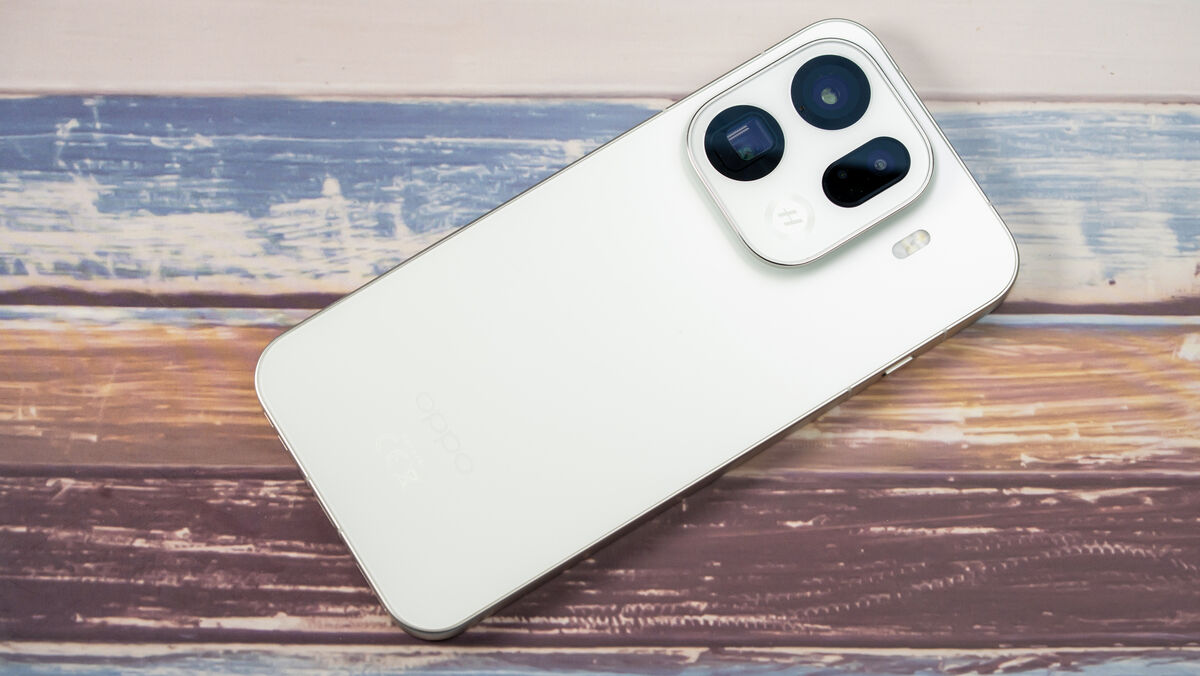
While many phone brands go for flashy or unusual designs, especially on the back, Oppo keeps things clean and understated. The square camera module on the back gives it a distinctive look, and while it’s fairly large, it doesn’t feel excessive considering what’s packed inside.
The matte Gorilla Glass back does a good job of resisting fingerprints, and combined with the aluminium frame, the phone feels properly premium in hand. Despite the massive 7,500mAh battery, it doesn’t feel overly heavy either. It’s well-balanced, which makes a difference during long days of use. Despite the massive battery, the Find X9 Pro is still only 224g, compared to something like the iPhone 17 Pro Max, which weighs 233g with a 4,823mAh battery.
Screen bezels are small and symmetrical, which adds to the premium look and feel.
There’s also a hardware shortcut button on the left side, which Oppo calls the Snap Key. I ended up using it more than expected, mainly to quickly launch the recorder, but it’s fully customisable. You can set it to open the camera, turn on the torch, translate text, take a screenshot, save screenshots to Snap to Mind Space, or leave it disabled.
There’s also a dedicated Quick Button on the lower right edge. Rather than a traditional mechanical button, it works as a haptic, pressure-sensitive control. It’s designed primarily for camera use, letting you launch the camera, take a photo, or slide to zoom when holding the phone horizontally. While it’s handy for taking photos in landscape, those who mostly shoot in portrait orientation won’t get much use out of it.
The ultrasonic under-display fingerprint reader is fast and reliable, and it’s positioned just right on the screen, making it easy to reach with your thumb when unlocking the phone one-handed.
Durability is solid thanks to IP68 and IP69 ratings, and the front is protected by Gorilla Glass Victus 2, which is reassuring for a €1,300 phone.
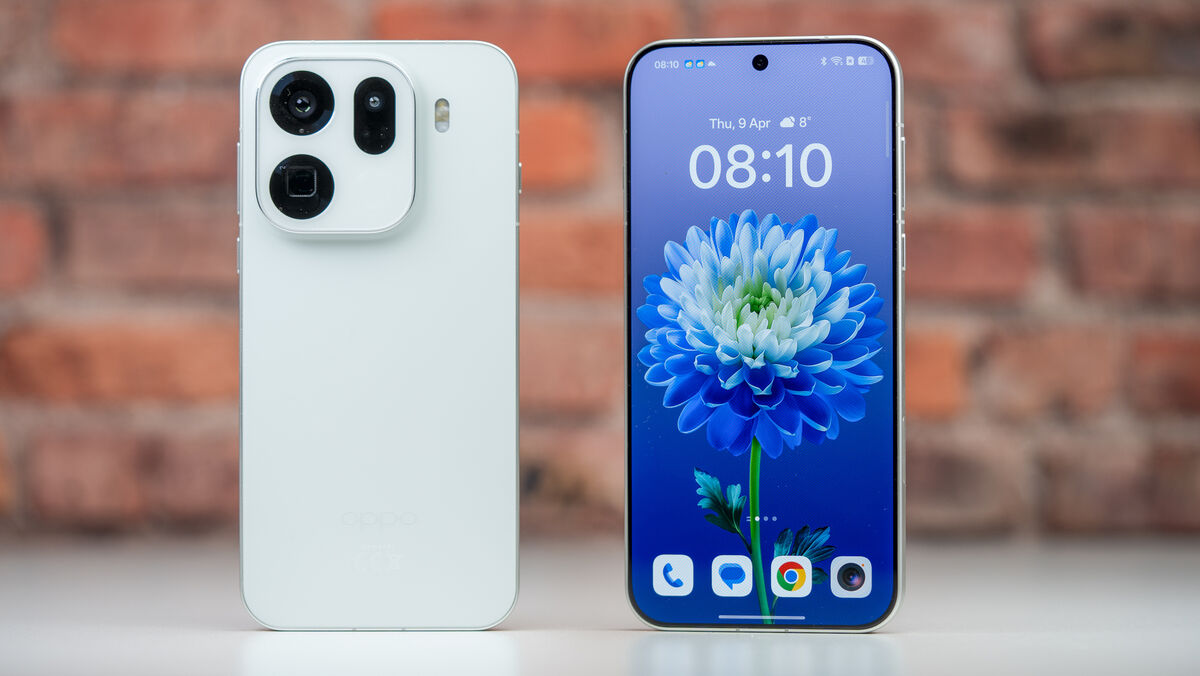
The 6.78-inch LTPO OLED display is gorgeous. It’s everything you expect from a flagship, including a high resolution of 2,772 x 1,272px, so that everything looks crisp, whether you’re reading text or watching video, and the 120Hz refresh rate keeps things feeling fluid. Because it’s LTPO, it can scale down when needed, which improves battery efficiency.
Brightness is excellent, too, with a peak of 1,800 nits under normal use and 3,600 nits for HDR. I had no issues using it outdoors, even on brighter days, and HDR content looks particularly good thanks to support for both HDR10+ and Dolby Vision.
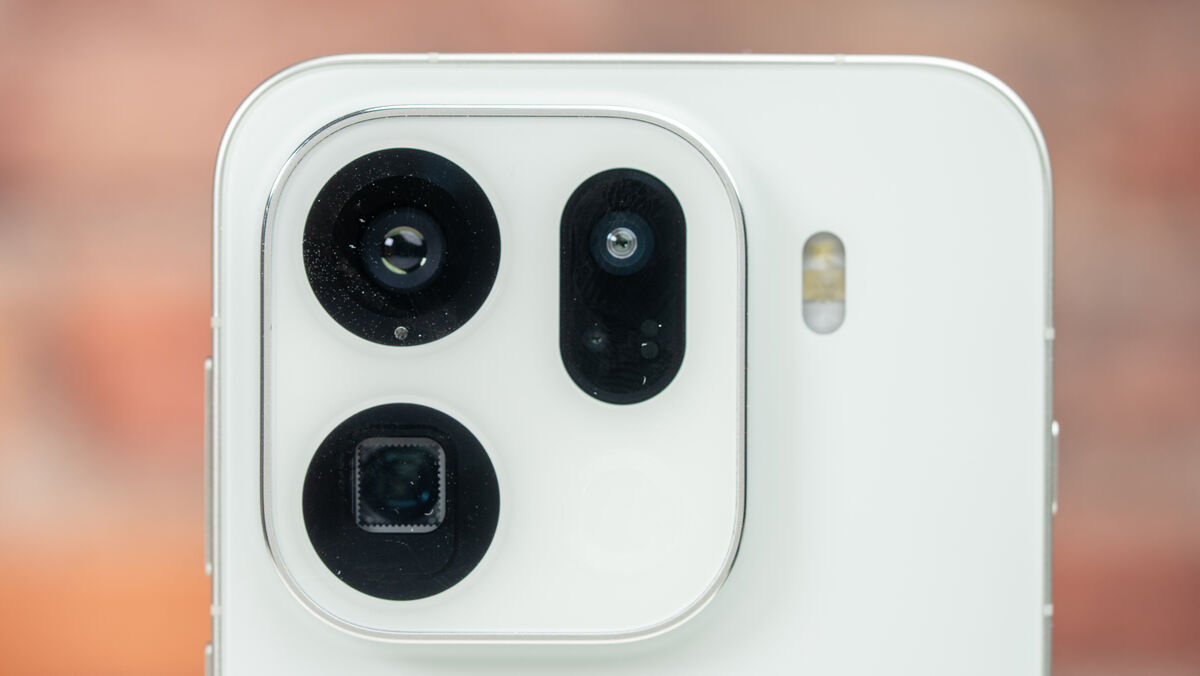
Comparing the Find X8 Pro with the upgraded model, Oppo has taken a slightly different approach to the camera setup. They replaced the dual telephoto setup from before with a single 200MP 3x zoom lens. At 3x, it captures a huge amount of detail, and even when you push beyond that, the results hold up better than expected. I found myself using it far more than usual, as it adds a level of flexibility that really changes how you shoot. That said, like most telephoto smartphone cameras, there’s a limit to how far optical quality can carry detail before digital processing takes over. The Find X9 Pro is no exception. Beyond 30x, the results shift from straightforward documentation to more subjective, AI-driven upscaling.
The main 50MP camera is excellent. Photos come out with a wide dynamic range, good contrast and colours that have just enough pop without looking overdone. It’s a reliable, clean experience for those who want a simple point-and-shoot.
Low-light performance is consistently decent across the main and zoom cameras. Images retain detail without looking overly processed, and dynamic range remains impressive.
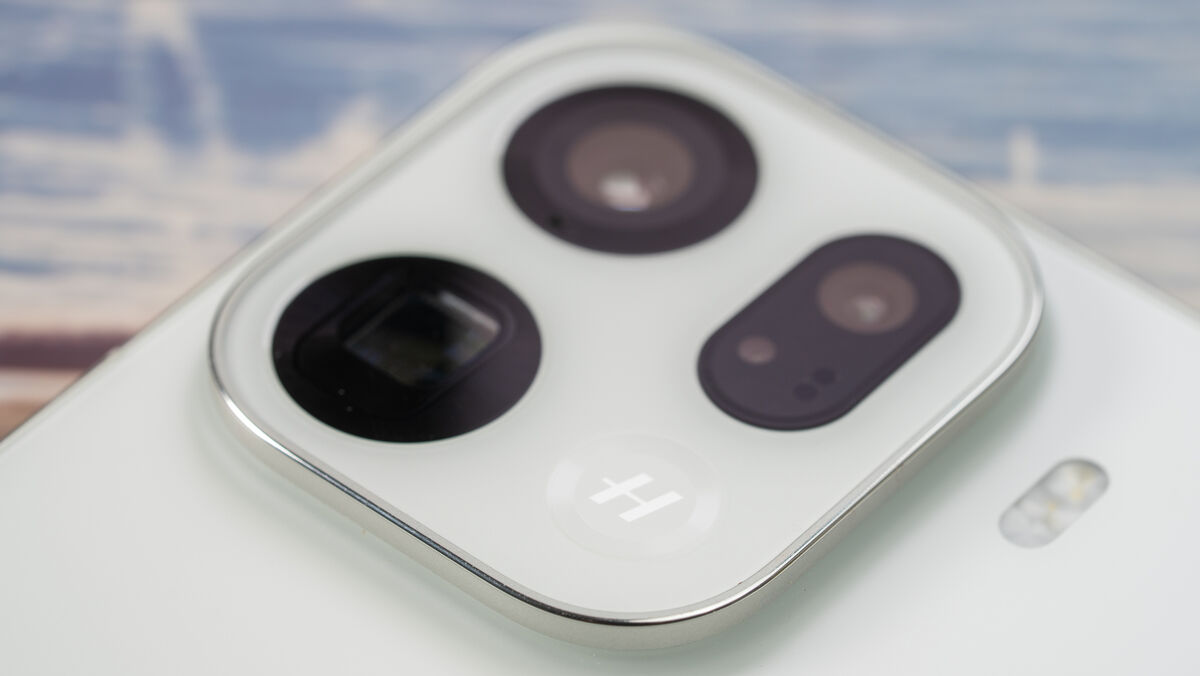
The ultra-wide camera is solid rather than spectacular. It gets the job done with good colours and decent detail, but it doesn’t quite match the main sensor.
Selfies come from a new 50MP front camera with autofocus, and it’s a noticeable improvement. Detail is sharp, and skin tones look natural, though indoor shots can sometimes lean a bit cool.
Regarding video, you get 4K at 120fps across all rear cameras, and up to 4K at 60fps on the front. The footage looks smooth and well-balanced, even when moving.
The camera is ideal if you just want to point and shoot, thanks to its intuitive controls and clean layout. If you prefer more control, there’s a Hasselblad Hi-Res mode that captures images at the sensor’s full resolution, with files often more than twice the size of those from the standard mode. It’s a nice option to have, but not something you’ll need all the time.
You also get a Pro Video mode, along with XPAN, Long Exposure, and Slo-Motion modes for more creative shooting.
Under the hood, the Find X9 Pro is powered by a top-tier MediaTek Dimensity chipset, and performance is exactly what you’d expect from a 2026 flagship. I run a range of benchmarking tests on every phone I review, and the Find X9 Pro performs in line with the latest Snapdragon 8 Elite Gen 5-powered devices. Like those phones, it does throttle under extreme stress tests, but I never noticed any impact in real-world use, even during extended gaming sessions.
Everything feels fast and responsive, from launching apps to switching between tasks. Benchmark numbers are good, but more importantly, real-world performance holds up just as well.
Storage is quick too, with UFS 4.1 making a noticeable difference when dealing with large files or heavy apps. You also get Wi-Fi 7, Bluetooth 6.0, NFC, USB-C (3.2 Gen 1), and eSIM support.
The 7,500mAh battery is huge by smartphone standards, and it shows. I was easily getting through a full day and then some, even with fairly heavy use. With medium to light use, I regularly stretched it to over two days on a single charge, which is really impressive.
The Find X9 Pro supports up to 80W wired charging; you can get to around 50% in half an hour, and a full charge doesn’t take much longer.
Wireless and reverse wireless charging are also included, rounding things out nicely.
ColourOS 16, built on Android 16, has plenty of AI features baked in, including text generation and translation, smart search, and note-taking tools. While the AI tools feel stripped back compared to the AI-heavy treatment found on something like the Samsung Galaxy S26 Ultra, I don’t think most users will be put off. You still get full Gemini support
The interface itself is clean and responsive, with a few thoughtful touches, such as the smart sidebar for quick multitasking.
Oppo is also promising solid long-term support, with five years of major Android OS updates and six years of security patches.
The Oppo Find X9 Pro still stands tall in 2026, with outstanding battery life, a versatile camera system and polished performance. It’s not perfect, but it remains one of the most complete flagship phones you can buy.
€1,300 Currys
CONNECT WITH US TODAY



Be the first to know the latest news and updates