Honor Magic 8 Pro review: A refined flagship that doubles down on camera smarts and battery life
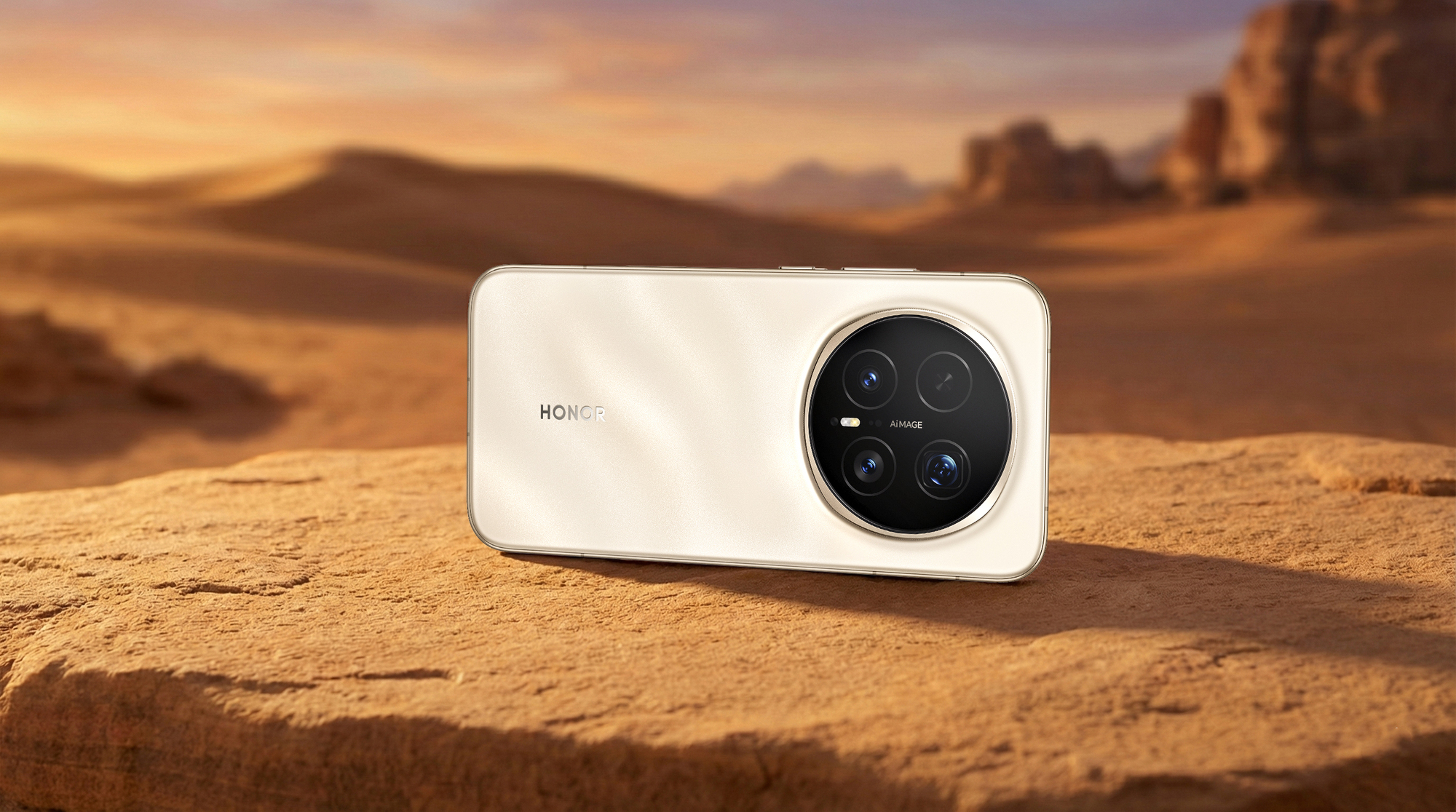
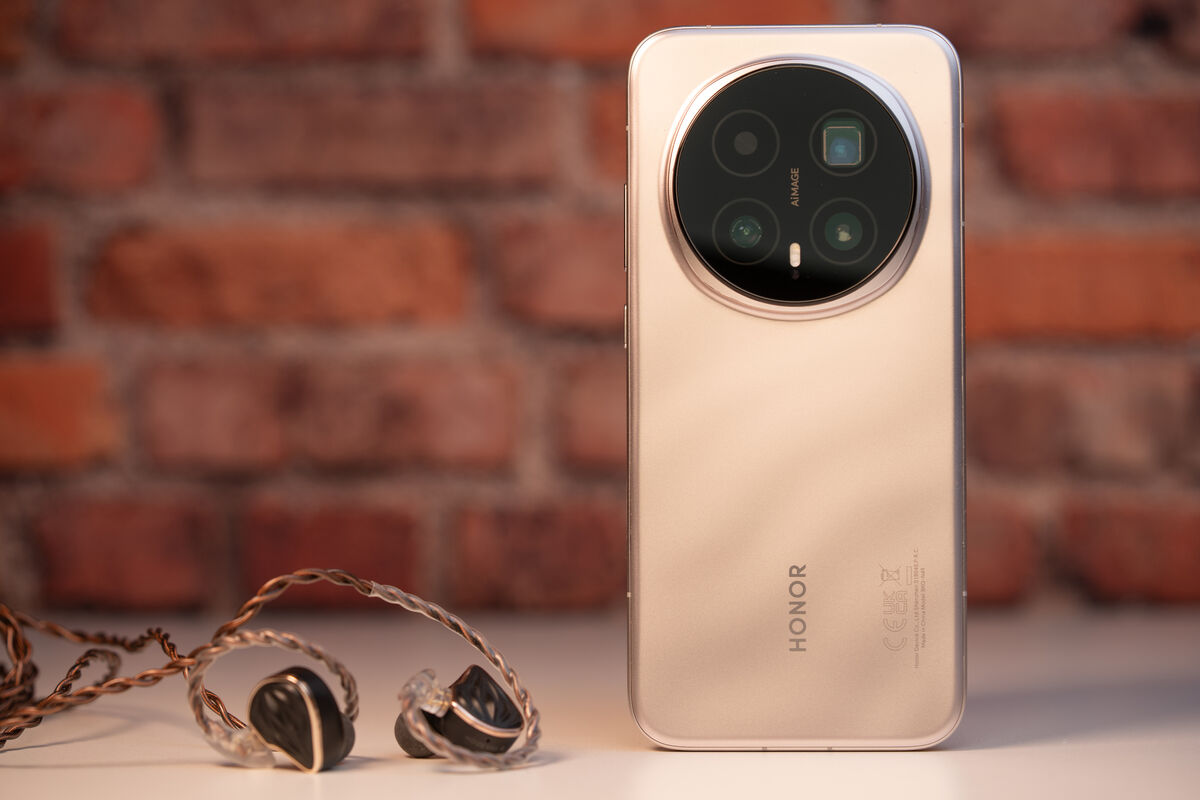
The Honor Magic 8 Pro refines the familiar curved Magic series design with a slimmer profile and improved in-hand balance. Picture: Noel Campion
The Honor Magic 8 Pro doesn’t stray too far from the already excellent Magic 7 Pro. While some of the changes are minor, the overall package still makes this a meaningful update. It feels like a true 2026 flagship, with better battery life, smarter camera controls, and noticeable performance gains.
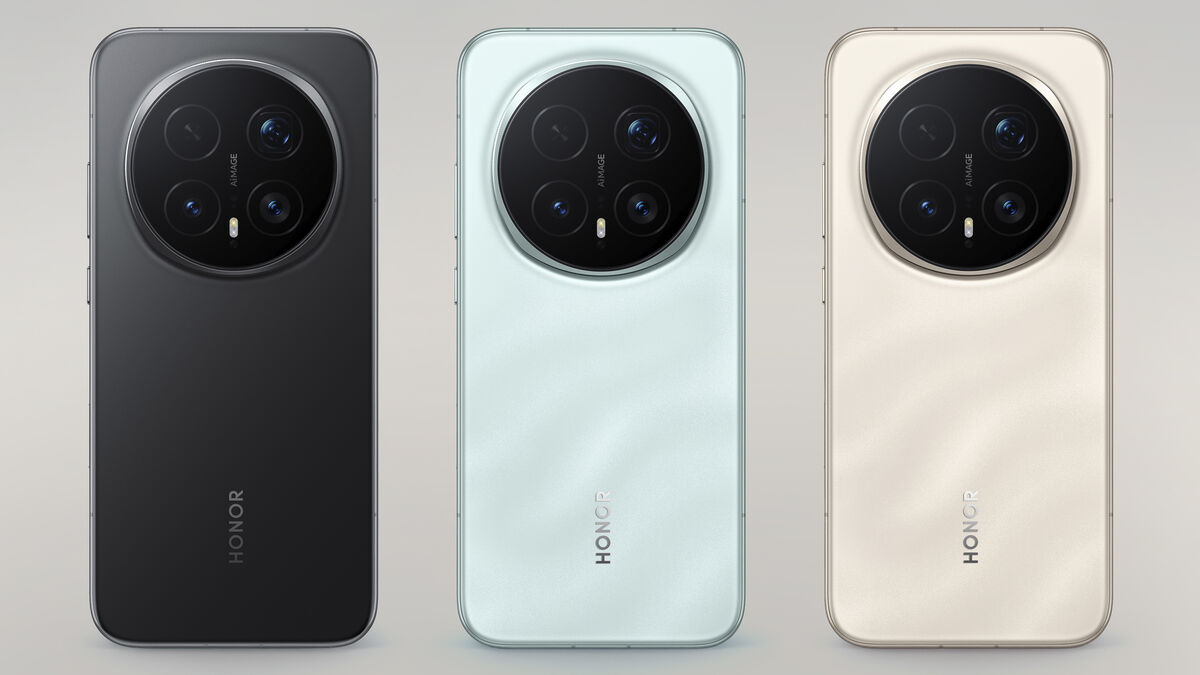
Honor tends to refresh its Magic series design every few generations, and while the Magic 8 Pro doesn’t rewrite the rulebook, it refines what already worked. The familiar curved silhouette and large circular camera module bump remain, but the phone has subtly slimmed down, shedding a bit of weight without losing that premium feel.
Overall, the Magic 8 Pro feels like a refinement model done right. It doesn’t chase gimmicks; instead, it focuses on comfort, durability and polish.
The Magic 8 Pro uses Honor’s NanoCrystal Shield with SGS 5-Star Drop Resistance, and it’s backed up by IP68, IP69 and IP69K water and dust resistance ratings. In real-world terms, this is a phone you can actually relax with. I’m not suggesting you test the limits for content, but for everyday slips, knocks and the occasional clumsy moment, you’re covered. The finish also plays its part. My review unit was the Sunrise Gold colourway, which catches the light without looking garish.
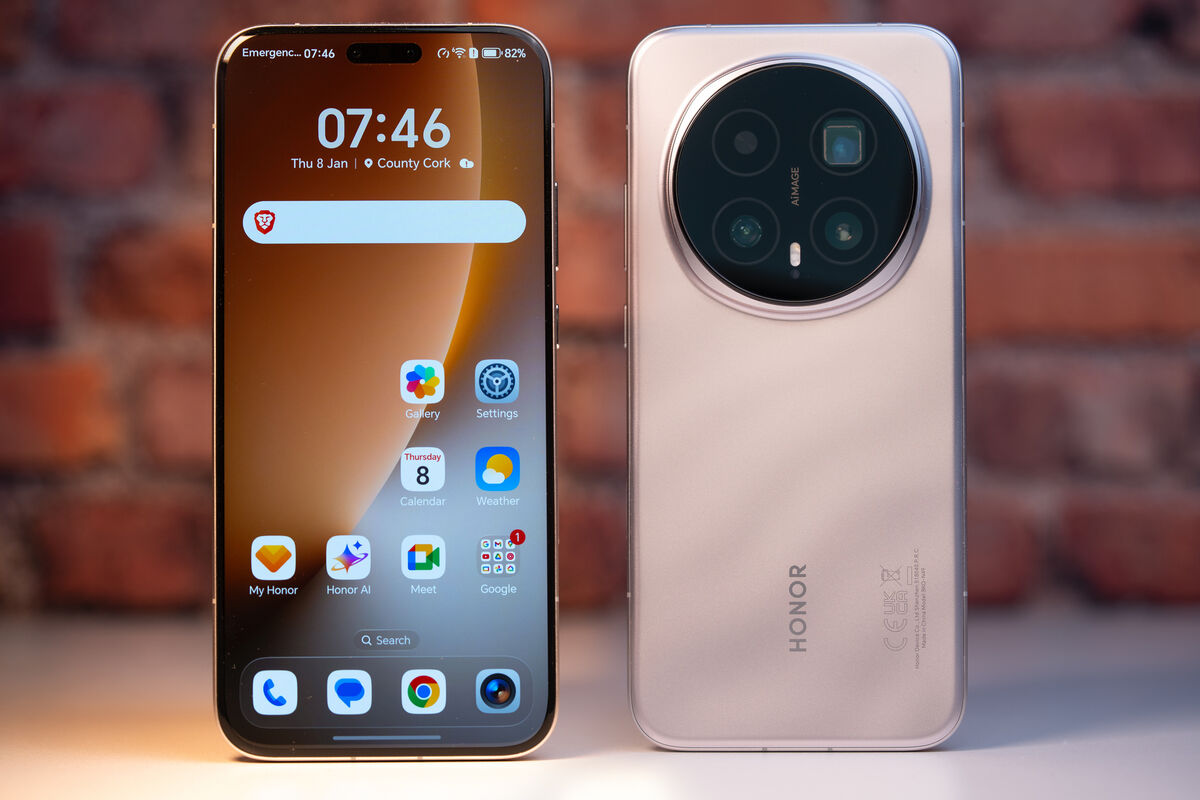
Honor’s displays have long been up there with the best on the market, and the Magic 8 Pro continues that tradition. The 6.71-inch quad-curved OLED panel looks fantastic, delivering deep blacks, vivid colours and excellent brightness.
With a 120Hz refresh rate and industry-leading PWM dimming up to 4,320Hz, it’s also one of the most eye-friendly flagship displays available. Peak brightness reaches an eye-watering 6,000nits, with a global peak of 1,800nits.
Colours can be tuned extensively in the settings, but even with stock settings, the panel looks superb from every angle. Whether you’re watching HDR video, editing photos or gaming, this is one of the Magic 8 Pro’s most appealing features. The icing on top would be an anti-reflective coating.
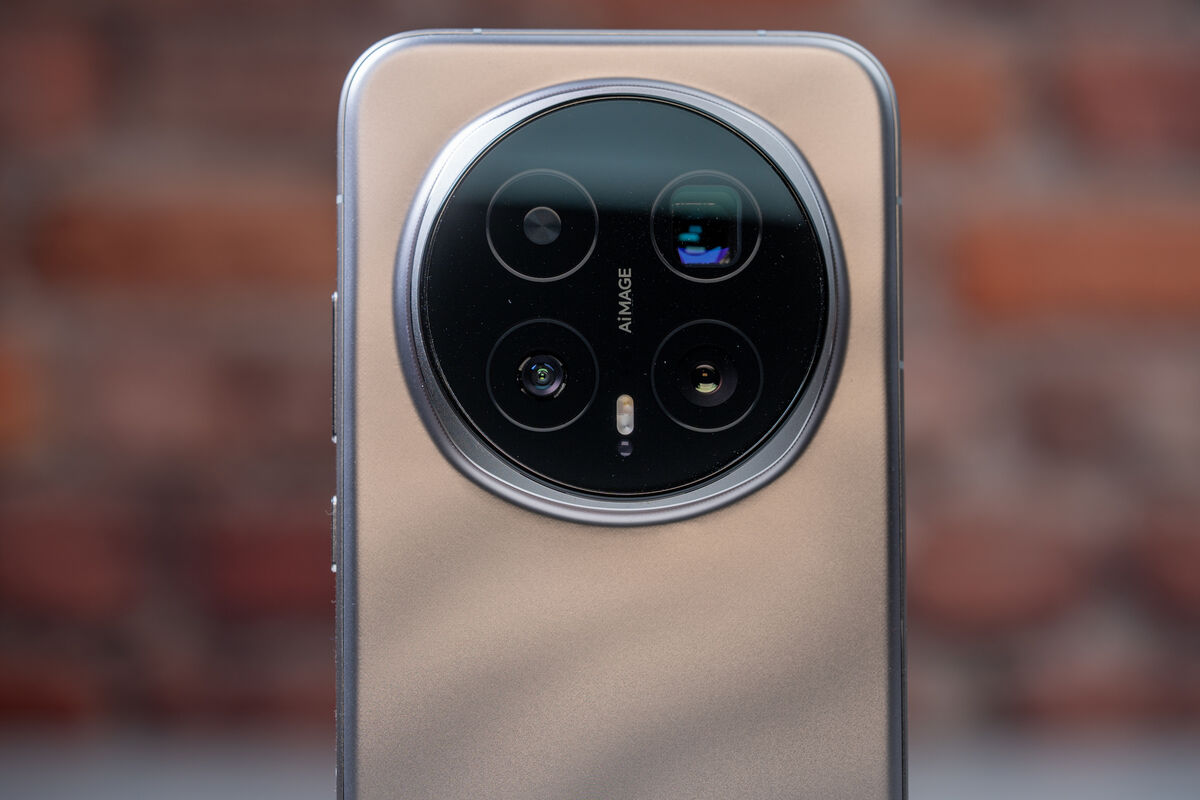
The camera system continues to improve year on year. It is equipped with a 50MP main camera with an f/1.6 aperture, a large 1/1.3-inch sensor, optical image stabilisation, and 4-in-1 pixel binning, delivering a 2.4μm-pixel output. Alongside it is a 50MP ultra-wide camera with an f/2.0 aperture and a 122-degree field of view, which also supports macro photography thanks to a minimum focus distance of 2.5 cm.
The new telephoto camera is amazing. It packs a huge 200MP sensor paired with a 3.7x optical zoom, optical image stabilisation, an f/2.6 aperture, and, crucially, a large 1/1.4-inch sensor. Enhanced AI image processing further extends its reach, enabling digital zoom up to 100x for photos and up to 15x for video. The large sensor and long zoom mean it creates natural bokeh, beautifully isolating subjects without relying on software. I’ve also had great success capturing incredible macro shots using the telephoto camera.
Honor markets its snappers as "night cameras," and the promise delivers. Low-light performance excels, capturing excellent detail whilst maintaining natural-looking HDR. Shadows retain information without artificial artefacting, and highlights remain controlled rather than blown out. Computational photography has improved, cleverly balancing hardware and software.
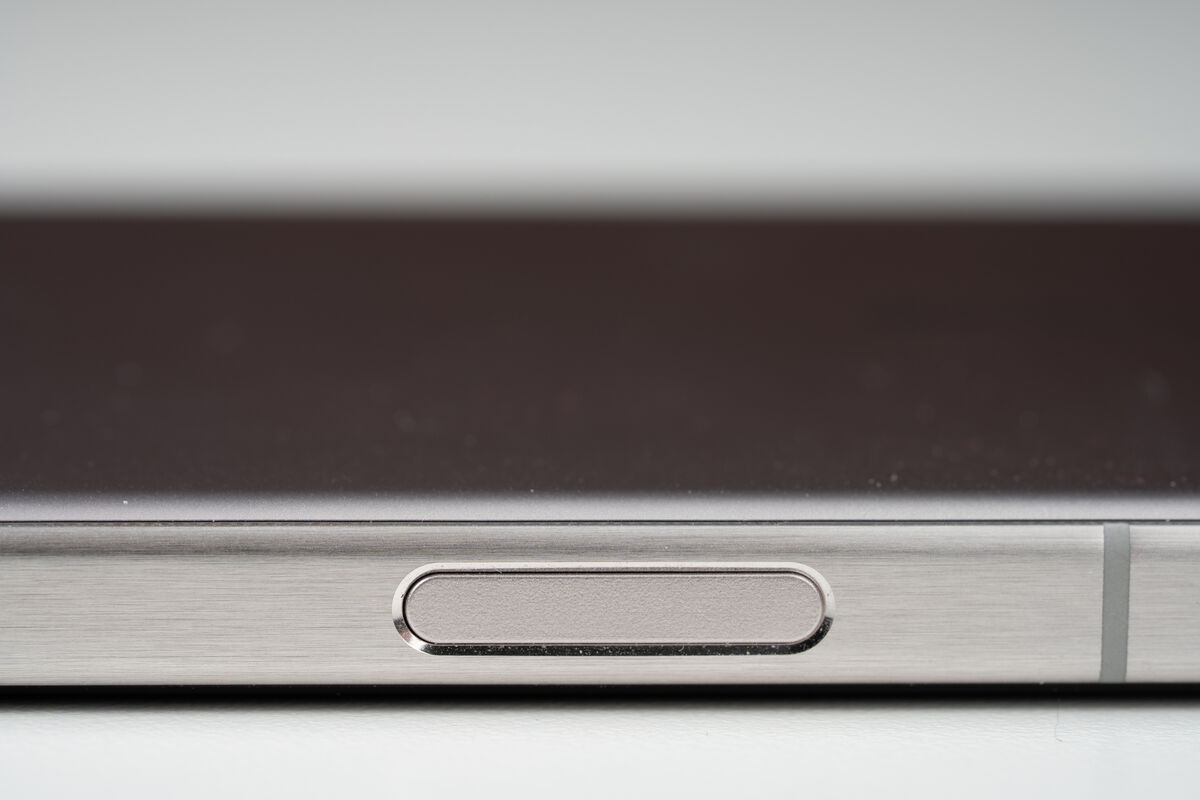
One of my favourite new camera features is the side-mounted button, which is similar to the camera control on the latest iPhones. It functions as both a camera shutter and a customisable AI button. You can slide across it to activate zoom functions, which only works in landscape mode. This makes sense, as it would be too awkward to use in portrait orientation. The real innovation is the half-press function, which enables pre-focus just like a proper camera. A full press then captures the shot, and unlike the iPhone, which needs more force to activate, the Magic 8 Pro does not cause camera shake when you take a photo. The only thing I would like is an option for the half-press to also lock exposure, something you do get on the iPhone.
Honor has expanded its film simulations with exclusive Harcourt portrait colour profiles, which continue to improve generation on generation.
The ultrawide lens holds up well and keeps images looking natural. HDR does a good job balancing highlights and shadows, although some artefacts and noise can show up in tricky lighting. That is not always a bad thing. I would rather see a bit of noise than heavy smoothing, which can make photos look plasticky and artificial.
Portrait mode continues Honor's tradition of excellence, delivering convincing depth effects and reasonably accurate subject isolation.
The built-in gimbal stabilisation works well, and optical image stabilisation performs excellently.
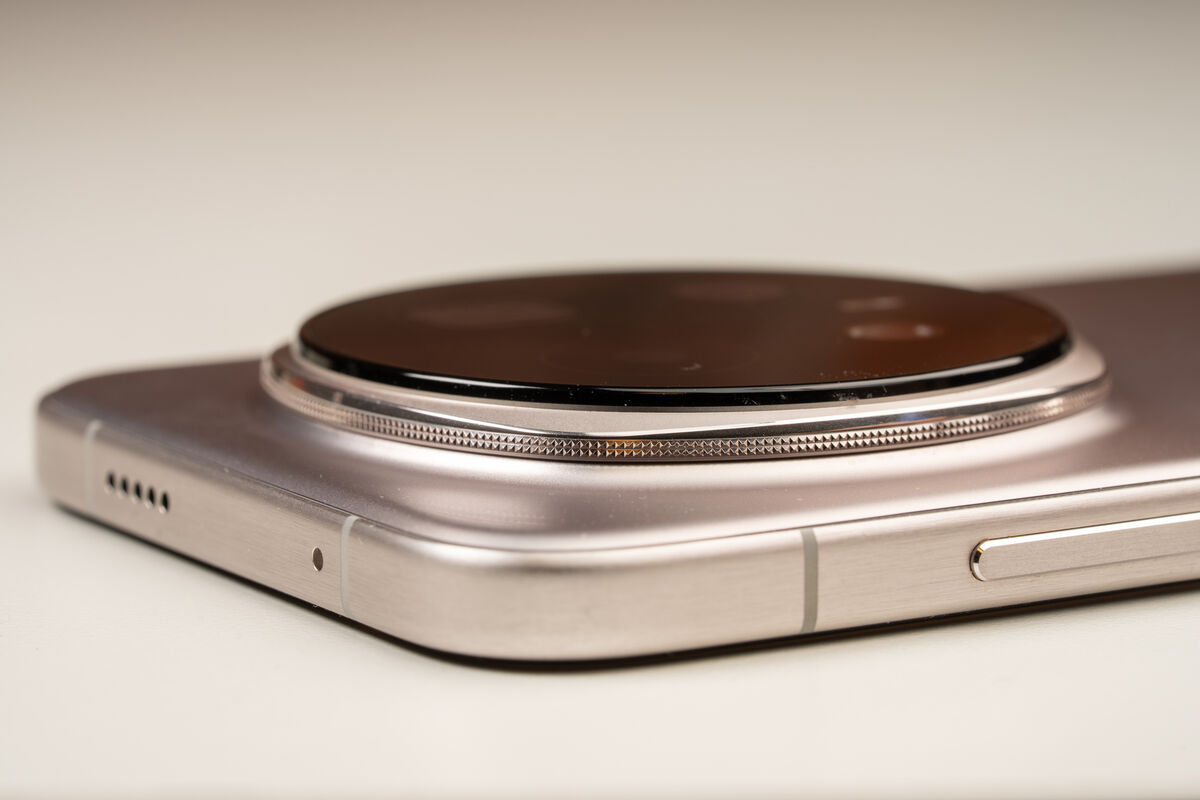
Samsung introduced a variable-aperture lens with the Galaxy S9, but quietly dropped the feature by the time the Galaxy S20 arrived. Honor has followed a similar path, removing the physical variable aperture found on the Magic 6 Pro and Magic 7 Pro, and replacing it with a software-based simulation. An actual physical aperture has clear optical advantages. By mechanically adjusting the amount of light entering the lens, it captures scenes more naturally, much like a traditional camera lens with real aperture blades. Effects such as starbursts are a direct result of this physical design, created by the way light passes through and interacts with those blades, rather than something that can be convincingly recreated in software. I was really blown away by the effect on the Magic 6 Pro, although I appreciate that not everyone will be as excited about, or miss, the feature as much as I do on the Magic 8 Pro.
Video recording supports 4K at up to 120fps on the main camera and up to 60fps on the selfie camera. There is no 8K support, but I doubt anyone will miss it.
Finally, you also get a 50MP primary selfie camera (f/2.0 aperture) paired with a dedicated 3D depth camera, an uncommon pairing that delivers excellent benefits for portrait photography.
The 3D depth camera enables advanced features beyond standard front cameras. Face unlock works reliably and securely thanks to depth mapping rather than simple 2D recognition. Portrait mode benefits considerably from accurate depth information, producing more convincing background separation and edge detection.
Powering the Magic 8 Pro is Qualcomm’s Snapdragon 8 Elite Gen 5 chipset, and my review unit was paired with 12GB of RAM and 512GB of fast UFS 4.1 storage.
Day-to-day performance is as I’ve come to expect from this chipset. Apps open instantly, multitasking is effortless, and the phone remains cool under pressure.
A small but welcome bonus is the USB-C 3.2 port with DisplayPort support. You can connect the Magic 8 Pro directly to an external monitor, which isn’t a standard feature on all phones, including many flagships. I tested this on a 3K portable monitor using a USB-C 4.0 cable, and it worked well as long as I didn't push the monitor's brightness too high. At higher brightness levels, the display drew too much power and shut off.
While not marketed as a gaming phone, the Magic 8 Pro easily holds its own. The combination of the Snapdragon chipset, large battery and effective thermal management makes it a compelling option for mobile gamers. In every graphically demanding game I tested, performance was smooth with no noticeable dropped frames, even at high settings.
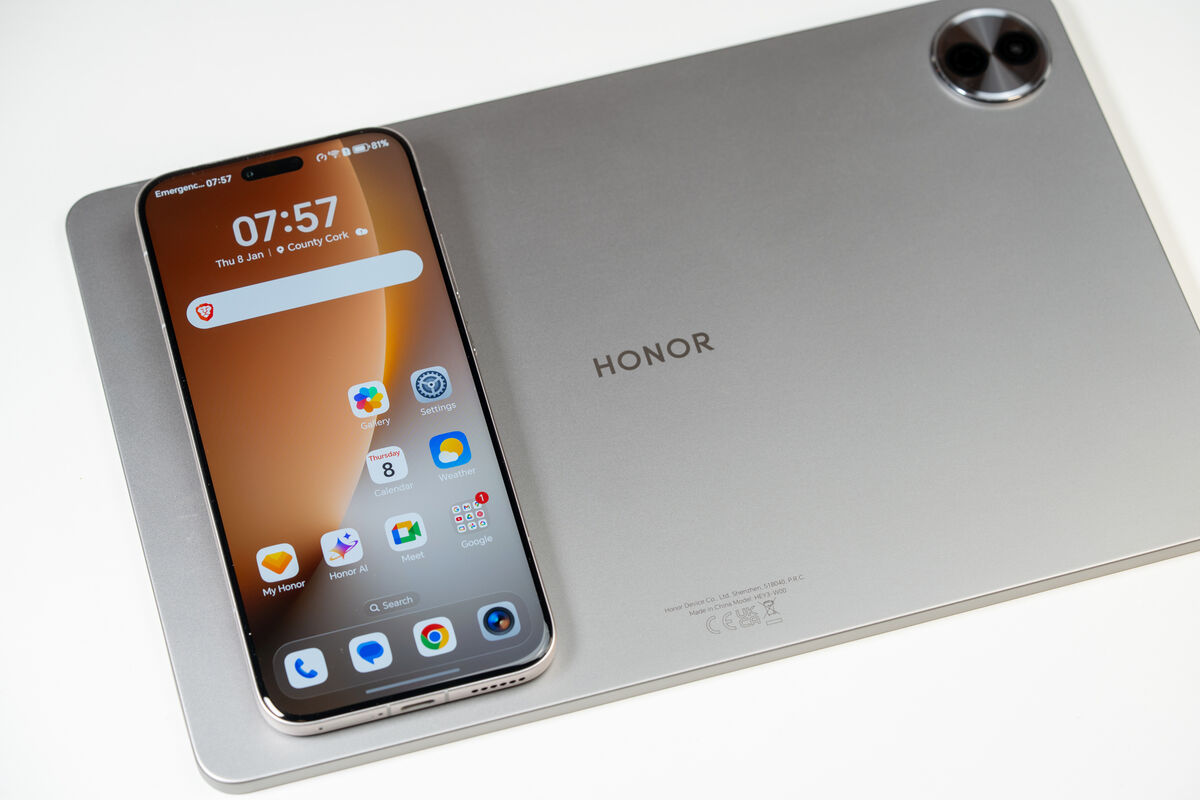
Battery life is one of the Magic 8 Pro’s biggest wins. The 6,270mAh battery delivers outstanding endurance, easily lasting a full day of heavy use and pushing into a second day with more moderate habits. Yes, there are other flagships with massive batteries up to 7,500mAh, but equally, flagships from Samsung and Apple have much smaller battery capacities than the Magic 8 Pro.
Charging is just as impressive, but due to EU legislation, no charger is included in the box. Using a 100W USB PD wired charger, a full charge took under 45 minutes. Wireless charging is also supported, with up to 80W charging when using an Honor charger, and reverse wireless charging is included.
MagicOS 10 on top of Android 16 feels more mature and refined than previous versions. Animations are smoother, visual clutter has been reduced, and system stability is excellent.
Honor’s AI features will not appeal to everyone, but the same can be said for other manufacturers. Some of the tools are really useful, while others feel more like marketing. The important thing is that the software works well with the hardware, and once you tailor it to your liking, there is plenty to enjoy.
The Honor Magic 8 Pro is an excellent update of an already strong formula. Superb battery life, a versatile camera system with a killer zoom and amazing performance make it an easy recommendation, even if a few hardware compromises may disappoint photography purists.
€1,300 Harvey Norman
CONNECT WITH US TODAY



Be the first to know the latest news and updates