Dyson OnTrac headphones: A bold step into audio for British innovator
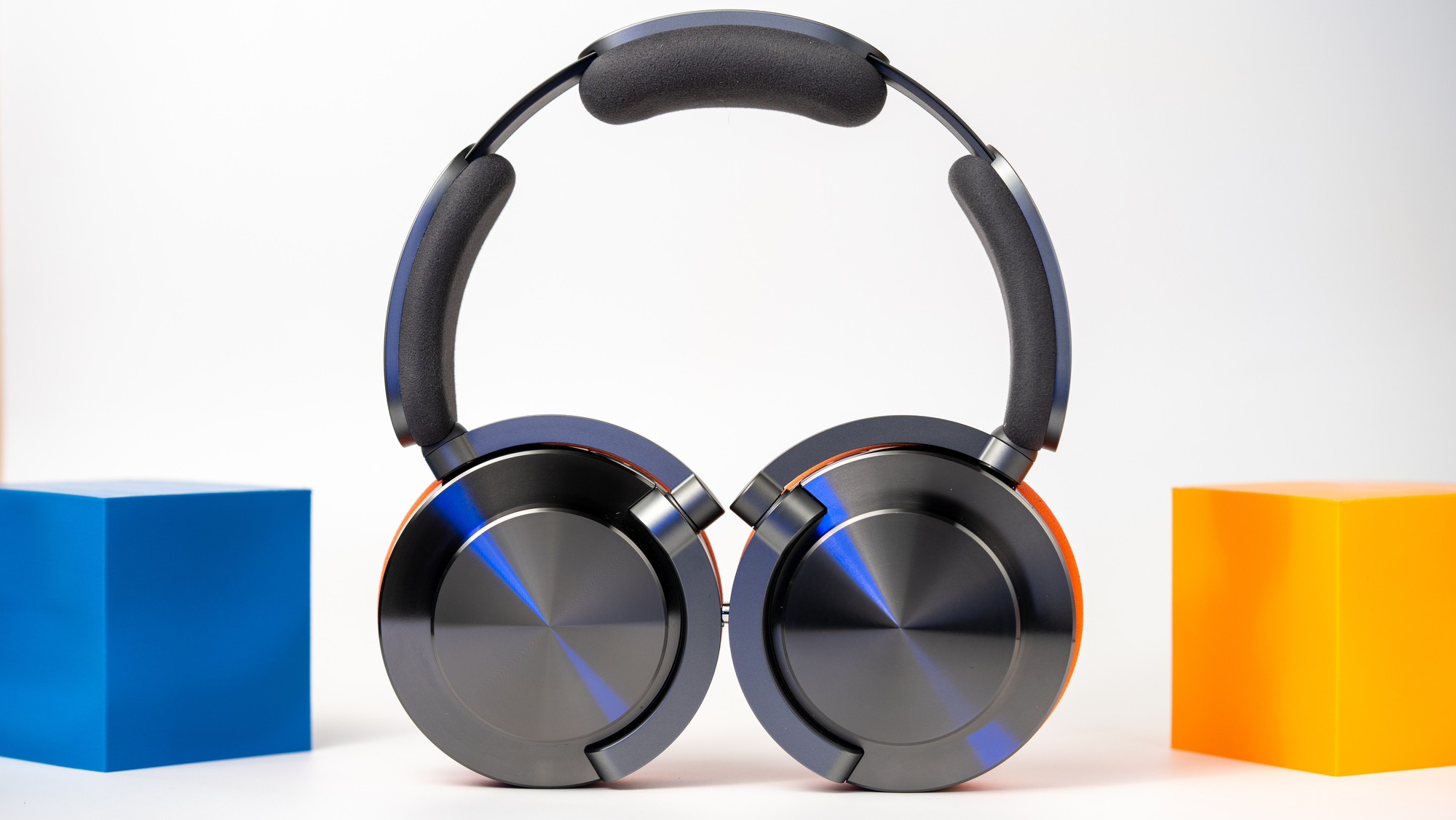
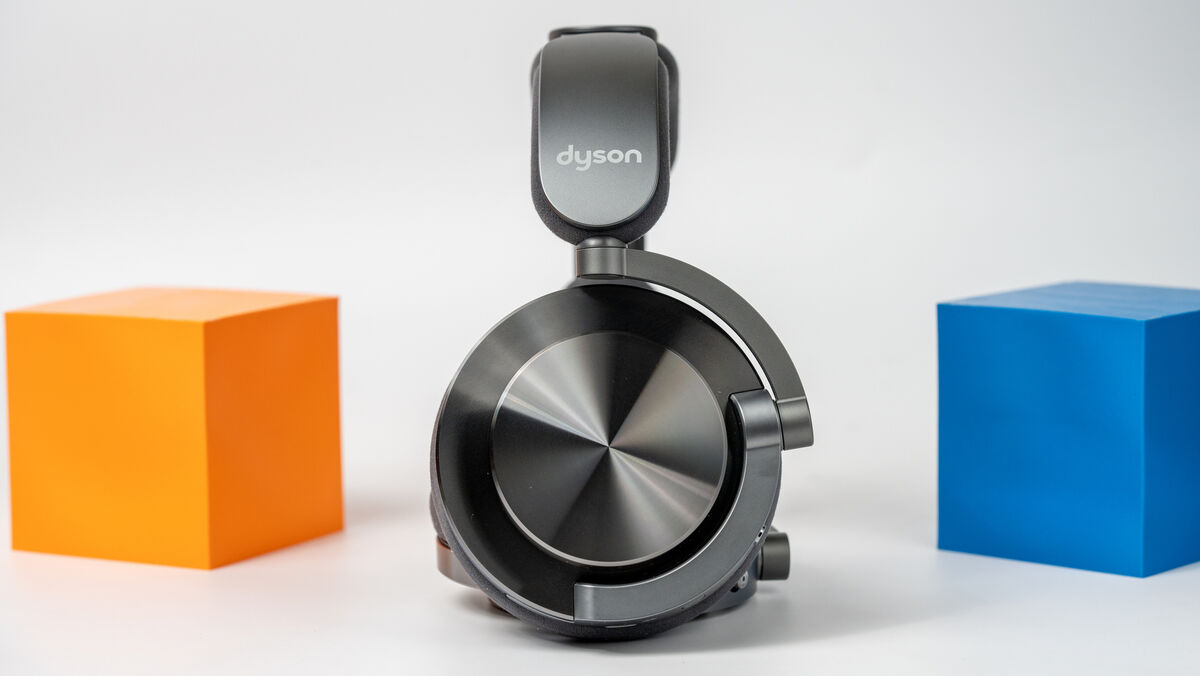
Dyson OnTrac ANC headphones. Picture: Noel Campion.
When Dyson, a brand best known for its vacuums and air purifiers, announced its foray into the world of headphones, I was more than a little intrigued. The Dyson OnTrac headphones, priced at €500, promise premium audio quality, a unique design, and innovative engineering. But do they deliver enough to justify their hefty price tag?
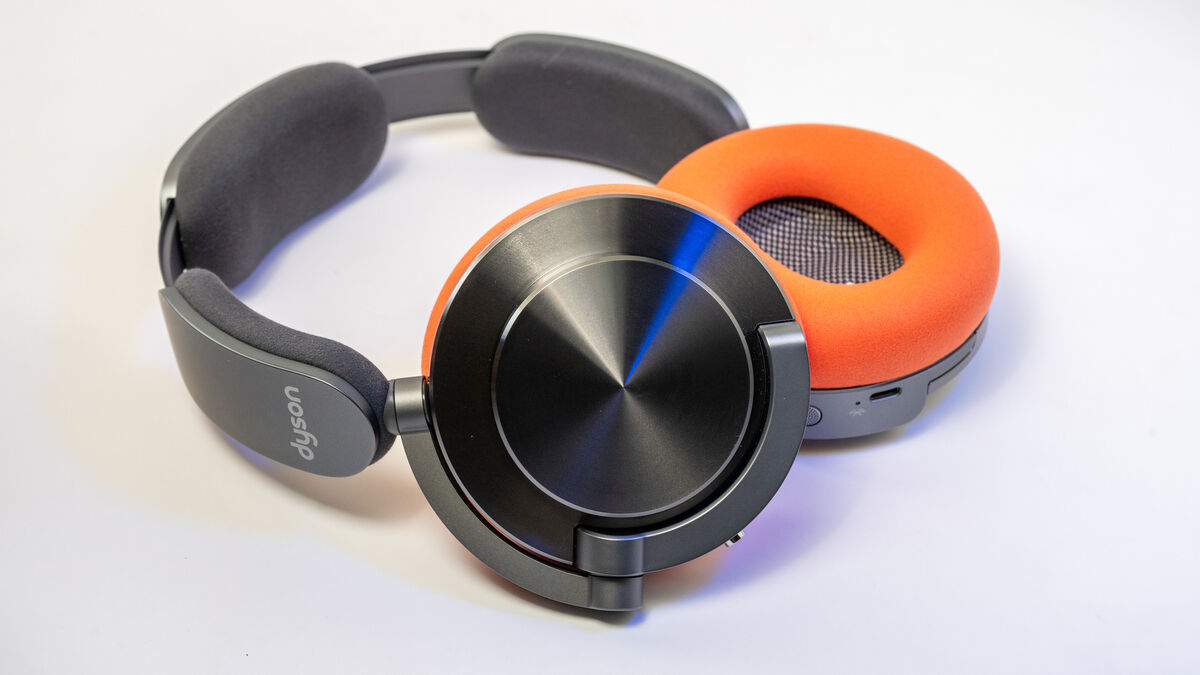
As you’d expect from a Dyson product, the OnTrac features a unique design and features not seen on other headsets. It allows for customisation by swapping out the outer tops and ear cushions with different colours and finishes. This might seem gimmicky to some, but I found it refreshing and fun. However, customisation comes at a hefty cost, as an extra ear cushion set and outer caps cost €50 each.
Dyson has even added a tech-nerd-friendly Easter egg inside the headphones: a blueprint-like design showcasing the interior hardware. It’s a small detail, but it adds to the overall appeal, especially if you appreciate the engineering that goes into high-end gadgets.
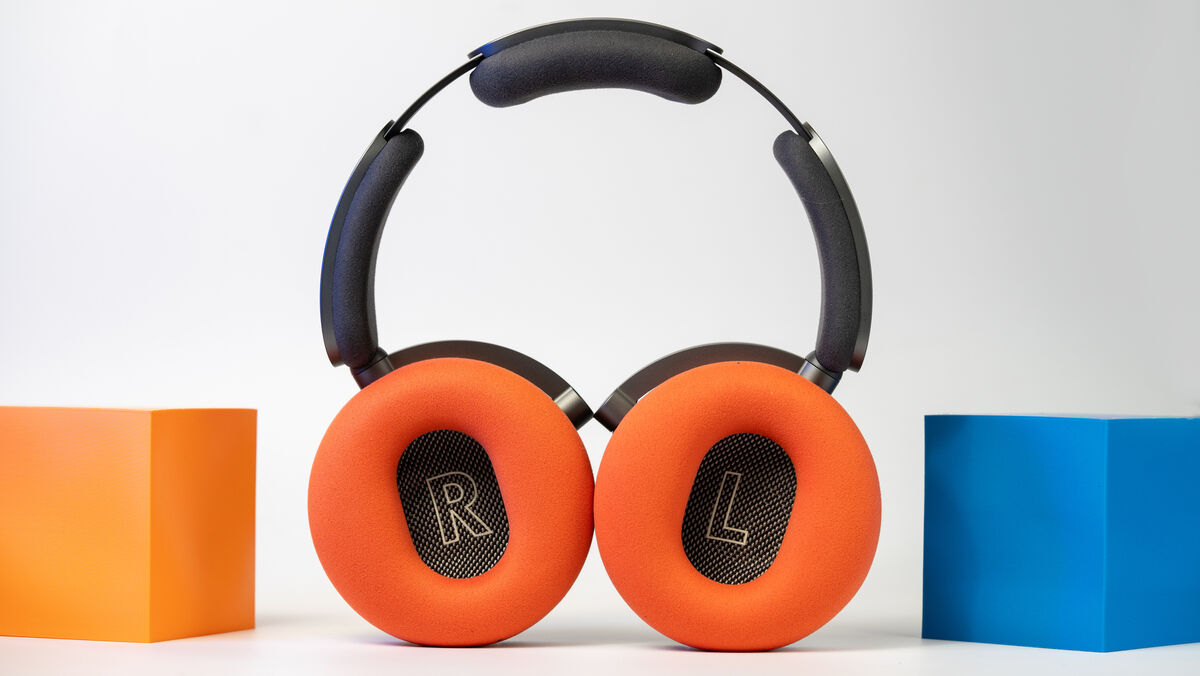
While I love the distinctive Dyson design language, some might feel it’s overengineered and too close to their home appliance hardware styling.
When I first saw the protective case that comes with the OnTrac, I was dubious. It looks like an afterthought or an excuse for a proper hard case that most headphones come with. However, in typical Dyson fashion, they took a new approach, and it’s brilliant. Rather than stick with traditional case designs that have excellent protection but are bulky, the OnTrac case offers just as much protection. It collapses to almost flat when empty, making it ingenious for storage.
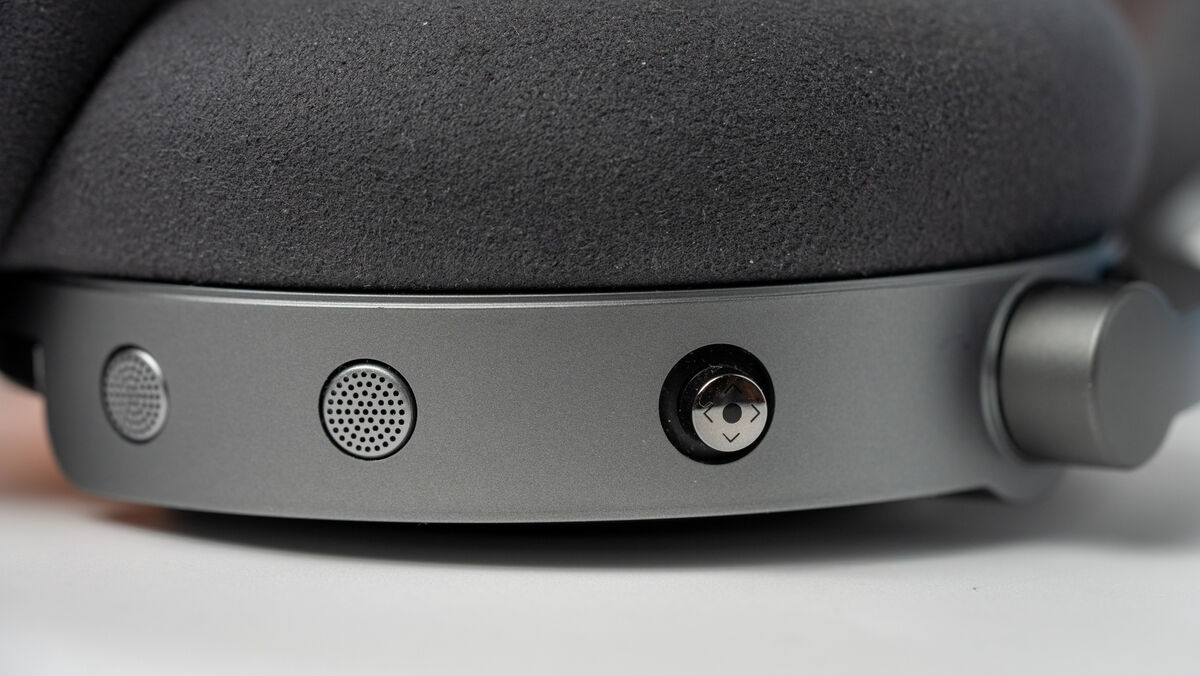
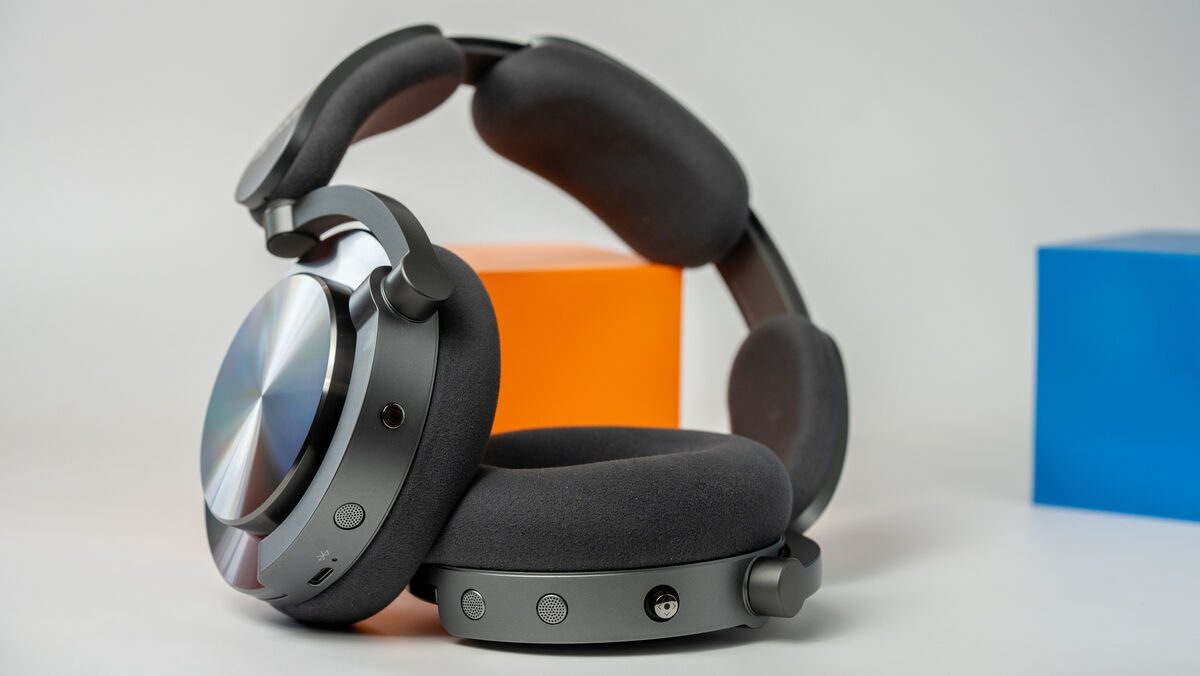
The main control is a joystick on the right ear cup — push up and down for volume, back and forth for track skipping and press for play/pause. Unlike the AirPods Max, which requires the case to put them to sleep, the OnTrac can be turned off. The left ear cup has a power button that doubles as a Bluetooth pairing button.
The OnTrac has no touch controls, but two taps on either side can toggle between ANC or transparency modes. You have to use a certain amount of force to activate, actually more than is comfortable, and unless you hit the sweet spot, it won’t work. You also get a thumping notification to indicate that it has activated the new mode. This is too loud, and there should be a way to turn it off or at least down.
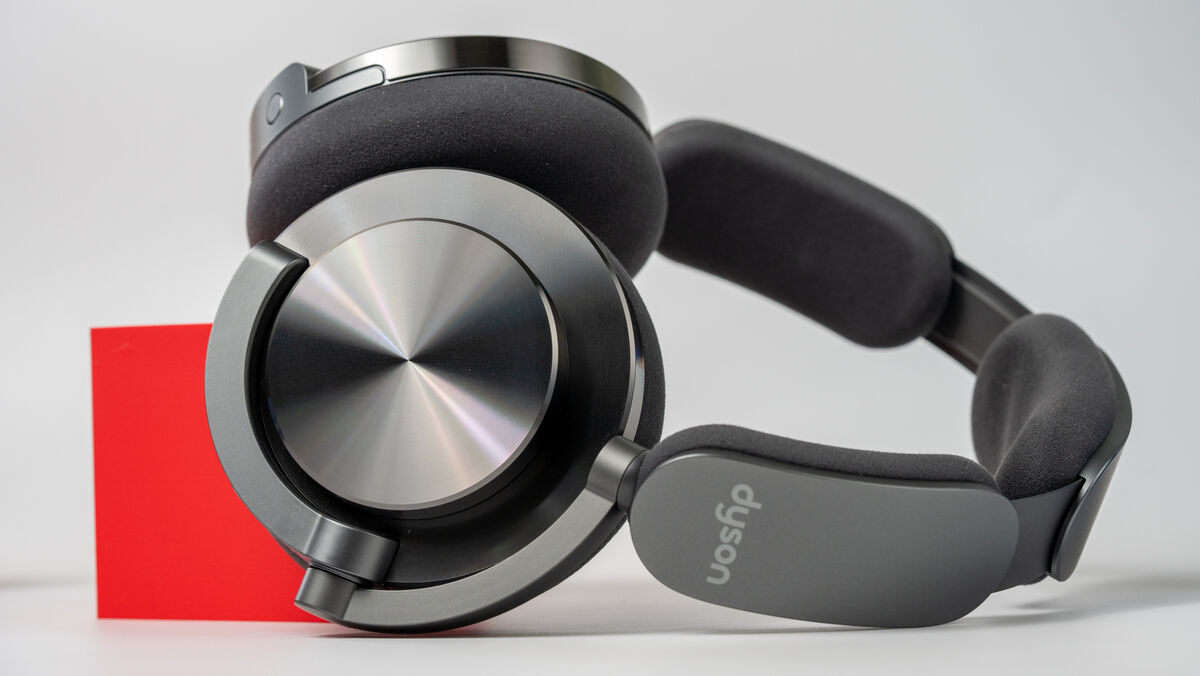
One of the innovative engineering feats of the OnTrac headphones is the placement of the batteries in the headband. This design choice allows for an impressive 55 hours of listening time on a full charge — significantly more than many competitors like the Sony WH-1000XM5 or the AirPods Max but less than the 60 hours of the Sennheiser Momentum 4.
While Dyson managed to distribute the weight well enough to avoid making the headband uncomfortable, the adjustment mechanism is located at the top rather than near the ear cups, which took some getting used to. Also, the OnTrac (450g) is heavier than the AirPods Max (384g) and every other headphone I’ve tested in this price bracket. For comparison, the Bose QC Ultra are 254g while the Momentum 4s are 292g. Again, because the weight is so well balanced, I didn’t notice it while wearing them for an hour or two, but prolonged use could cause discomfort.
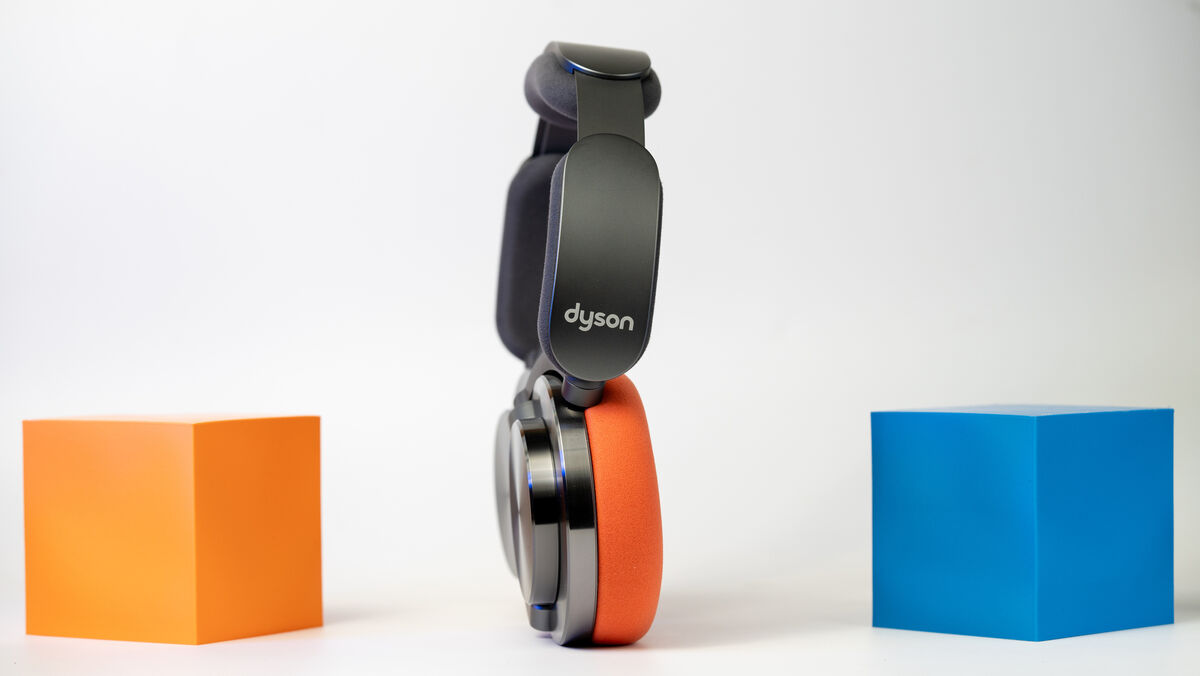
Regarding sound quality, the Dyson OnTrac headphones hold their own. The active noise cancellation (ANC) is excellent, thanks to the eight microphones that monitor external sounds 384,000 times per second. In my experience, this effectively blocked out ambient noise, allowing me to immerse myself in my music. While not class-leading — in my estimation, that title goes to the Bose QC Ultras — they’re on par with the AirPods Max.
The transparency mode is also excellent, with voices sounding natural, although I would like the volume to be slightly higher in this mode.
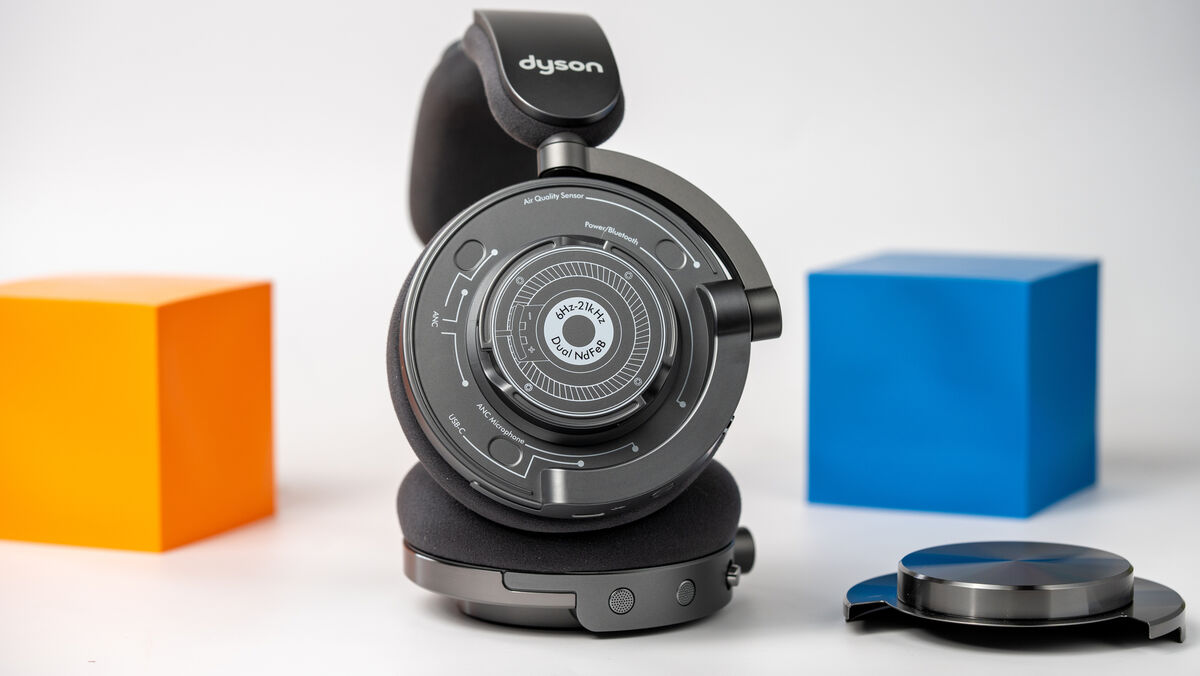
The OnTrac features 40mm neodymium drivers powered by advanced audio signal processing, allowing them to deliver an impressive frequency range from 6Hz to 21kHz. Dyson emphasises the deep sub-bass, and I found it powerful enough to be felt. The speaker housing is also angled at 13 degrees toward the listener’s ear, providing a more focused and immersive audio experience.
Overall, the sound quality is excellent. The bass, in particular, is deep and resonant, especially if you use the bass boost preset. Detail retrieval is good, with amazing clarity in the mids and highs. However, while I didn’t expect a massive soundstage from a closed-back set of headphones, the OnTrac felt a little too intimate.
One of the biggest disappointments with the Dyson OnTrac is the use of Bluetooth 5.0. While it might not seem like a big deal, newer Bluetooth codecs (like 5.3 or 5.4) offer more reliable connections and better range, especially in environments with lots of interference. Also disappointing is the lack of multipoint connectivity, meaning you can’t connect to multiple devices simultaneously.
The LHDC lossless streaming codec (24bit/48kHz) is supported, but you’ll need to check if your device supports it; otherwise, it will default to AAC HD codec. Strangely, aptX HD or LDAC support is not included for broader compatibility.
Another interesting omission is the lack of a 3.5mm headphone jack. To really benefit from the broad frequency range of 6Hz to 21k Hz, it would have been nice to test the OnTrac with a good headphone DAC/AMP and Hi-Res audio files.
The MyDyson app is available for iOS and Android. It features several unique features, including real-time soundtracking, which monitors both in-ear and external volume to alert users of potentially harmful levels. You can also select from three EQ modes: Bass Boost, Neutral, and Enhanced. Unfortunately, there’s no custom EQ mode.
The Dyson OnTrac headphones are an intriguing entry into the audio world from a brand known for innovation in other areas. For those who value design and engineering above all else, the Dyson OnTrac might be worth the investment. The attention to detail and the premium feel are undeniable. However, if you’re looking for the best bang for your buck regarding sound quality and smart features, better options are available at a lower price.
Dyson.ie €500


CONNECT WITH US TODAY



Be the first to know the latest news and updates