Rising fuel prices super-charges interest in electric and hybrid vehicles
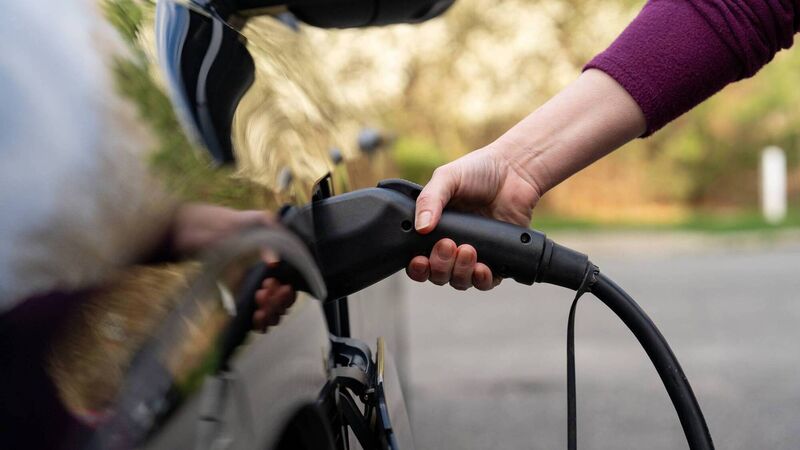
Charging an EV at home on a low tariff night boost rate could cost as little as €5.17. Picture: iStock
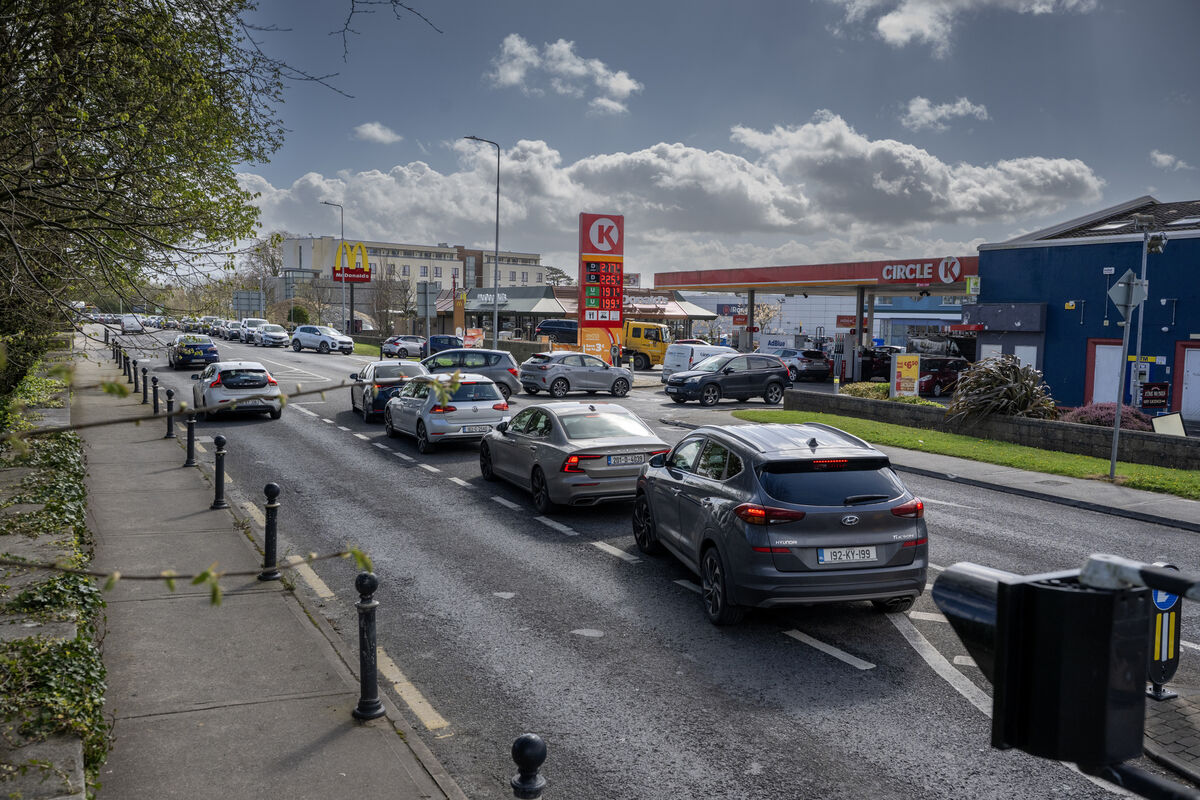
The spike in petrol and diesel prices, as a result of the US attacks on Iran, in the Middle East, is not going to recede any time soon. Despite recent announcements of a ceasefire, the conflict is ongoing, oil flows from the region have stalled, and households are paying more at the pumps and considering where they can save some money should this continue.
Consumer behaviour has already shifted towards electric cars. Electric-car adoption had been strong and steady throughout much of last year, but new registrations of them increased significantly during the first three months of the year, and dealerships have been reporting strong interest in second-hand options as well.

Late last month, DoneDeal Cars data showed that since the outbreak of the war in the Middle East, searches on its website for electric cars have surged, increasing by 53% between February and March. Searches for diesel cars were down 9%.
Chief executive of Kearys Motor Group, Brendan Keary, has said that over the last three to four weeks, they’ve seen a “huge increase” in enquiries about electric cars, with even second-hand electric cars proving popular.
“The electric trend, just in terms of inquiries, views online, in the last month, the inquiries have doubled, at least doubled,” Mr Keary said.

The increasing interest in electric cars is cushioning a drop-off in the purchasing of new cars overall.
According to SIMI (The Society of the Irish Motor Industry), there was a 10.4% drop in the number of new-car registrations in March, but electric-car registrations increased 52.1% compared to the same month last year.
A total of 15,485 new cars across all engine categories were registered last month, of which 3,851 were new electric cars.
During the first three months of the year, 14,004 new electric cars were registered, representing a 40.5% increase compared to the same period of 2025.
Petrol-electric hybrid cars maintained their top spot in market share in March, accounting for 27.36% of all new cars registered, while fully electric cars were in second place, at 21.56%, ahead of petrol, diesel, and plug-in hybrid options.
Given the surging cost of petrol and diesel, the relatively low running cost of electric cars may prove appealing for households.
The best-selling electric car so far this year, according to SIMI, is the Volkswagen ID.4. The basic battery capacity of that car is 52kWh.
Charging the ID.4 from 0% to 100% at home, on a low tariff night-boost rate, could cost as little as €5.17. Electric Ireland offers a night-boost rate between the hours of 2am and 4am, which costs as little as 9.9c a kWh.
Even charging the car at a higher overnight tariff rate of about 17c per kWh would cost around €8.84. However, charging on public infrastructure could be significantly more expensive.
ESB offers a pay-as-you-go model for their chargers, which cost 59c per kWh. That would cost over €30 to fully charge an ID.4.
This is without accounting for the fact that these cars would never be completely empty when plugged in at night to recharge.
Mr Keary said that there is probably still some electric-car range anxiety among customers, but, he said, with electric cars, “you need to plan your trip”.
“You should really have a home charger that you can use at home, so you can avail of the night rates. If you can avail of the night rates with an electric car, you’re in a very good position with the fuel rates at the moment.”
This stands in contrast to the cost of oil, which still remains elevated far above what it was in February and, despite the announcement of a ceasefire in the Middle East by US president Donald Trump, the conflict still rages as Israel continues its attacks in Lebanon.
Iran said there would be no deal, which included not reopening the Strait of Hormuz, as long as Israel continues to attack Lebanon.
Approximately 20% of the world’s supply of oil moves through the Strait of Hormuz, and Iran has exerted near-total control over the waterway since the outbreak of the war. This, along with Iranian attacks on oil-and-gas infrastructure in the region, has caused the energy price shocks around the world.
Despite the ceasefire announced by the US and Iran, traffic passing through the strait on Thursday was well below 10% of normal volumes.
Regardless of whether the ceasefire is in effect or not, the oil markets seem to be assuming that tankers will soon be able to move through the Strait of Hormuz without any threat from Iran. The price of a barrel of crude oil dropped immediately after the ceasefire announcement, from over $110 (€94) to around $98 (€84).
This is still well above the cost prior to the war, which was floating around $65 (€55) a barrel and is still up from the $90 (€77) a barrel it was trading at when the Government announced the reduction in excise duties on March 23, which cut prices at the pump.
Those government measures are also temporary and will be removed when oil prices come down, or stabilise at a more reasonable level.
Mr Keary said: “On the ground, we’re seeing what they had in their head: ‘Is now the time to go electric?’ Or maybe, ‘Do I go hybrid?’ A good percentage of those people are going, ‘You know what, I’m going electric’.”
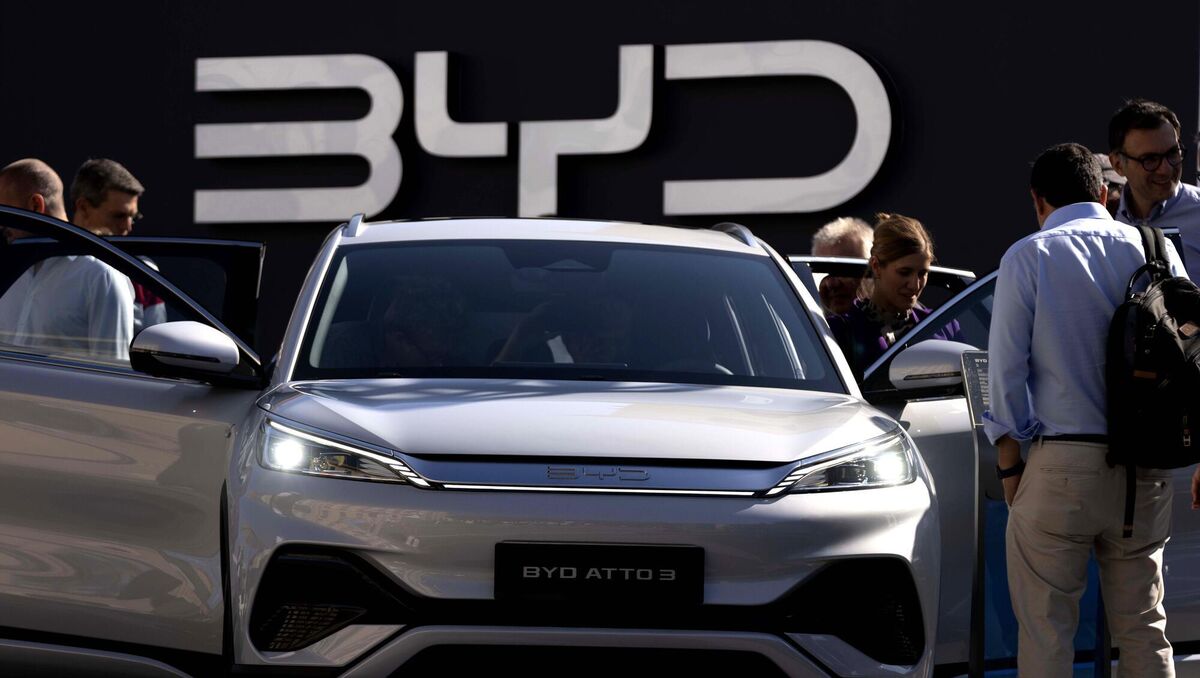
“We’re lucky we have a lot of brands that are electric-focused, BYD in particular, Hyundai, Renault. Just the last few weeks have been crazy. People are mentioning the fuel prices, obviously. I think there was a turning point on electric cars anyway, where people were more open to them, and this has probably just accelerated it further, is my feeling.”
Mr Keary also said that their second-hand electric cars are “absolutely flying” and “we just can’t keep them in stock”.
The second-hand cars are selling for between €20,000 and €30,000.
This trend in second-hand electric cars is being seen by manufacturers as well as car dealers.
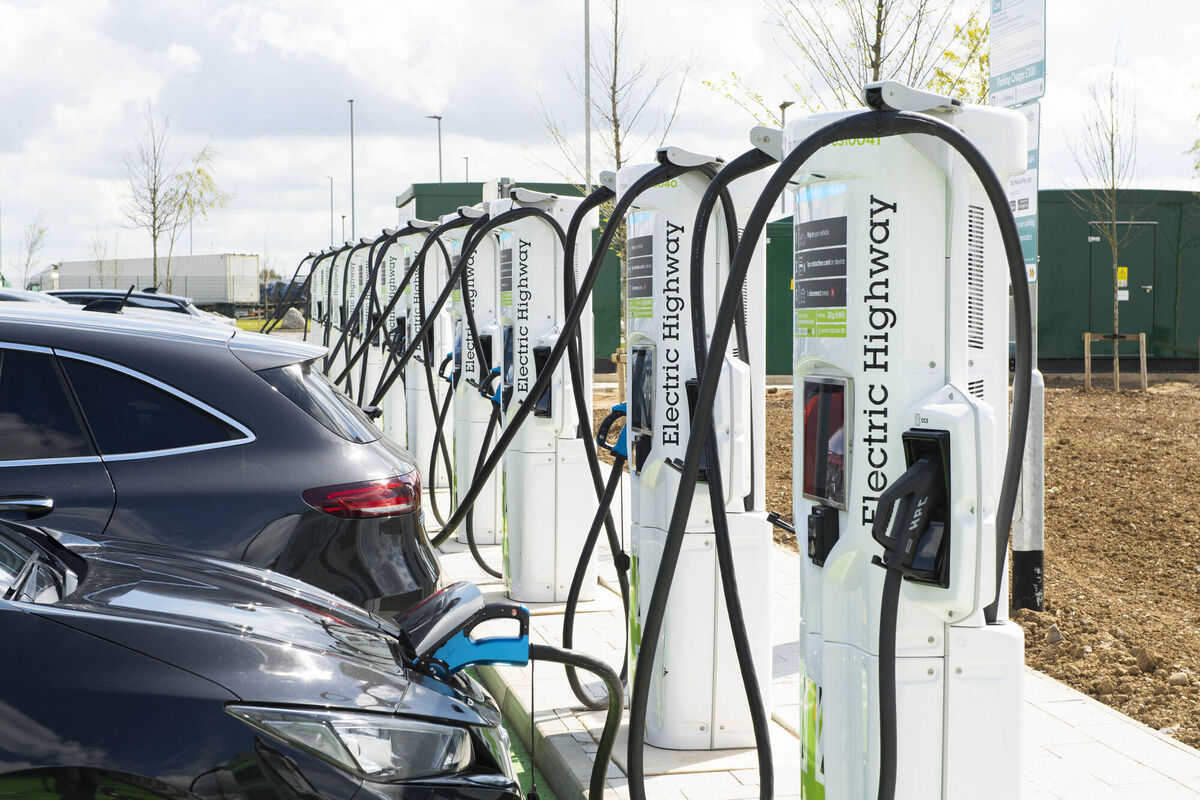
During the week, chief executive of electric-car firm Polestar, Michael Lohscheller, said used electric-car sales were exceeding those of new cars. Sales of Polestar’s used vehicles jumped 47% in the quarter, he added.
Mary Nolan, of the Joe Duffy Group, said they have seen a “slight increase” in enquiries about electric cars, and they’ve seen a big increase in people looking for electric cars on their ZuCar website.
She said: “People have increased faith in electric cars, particularly now, with the fuel prices we have definitely seen, in the last month, the surge in inquiry level on used electric vehicles.”
Ms Nolan added that many customers have already done their own research on electric-car options before they come to the car dealer.
She said: “Whether it’s through the websites or they’re looking at independent reports, they will kind of do their own research and then almost come in and know what they want, and then just look for the endorsement or the test drive, discussing the range and the charging options.”
“I think customers now are very well-informed themselves.”
Electricity prices will be a future consideration for people looking to make the switch to electric cars, and in the near future.
As of February, the latest data available from the Central Statistics Office, wholesale electricity prices were 23.3% lower compared to the same period last year and were down 72.1% when compared with the peak of August 2022 (which following the invasion of Ukraine by Russia and the subsequent energy shock).
Oil prices have been increasing, and that has been seen immediately in the price at the pumps and in the cost of home heating oil, but gas production in the Middle East has also been hit, with supporting infrastructure badly damaged.
In the middle of March, Qatar, one of the world’s largest producers of natural gas, said that 17% of its liquid natural gas capacity had been destroyed after being hit by Iran. It could take up to five years to bring this portion back online.
According to EirGrid, during 2025, gas accounted for nearly 40% of the grid’s total energy production last year, with renewables making up another 40%.
The benchmark, Dutch one-month gas futures contract was trading at €46.26 per kWh during the week.
Prior to the war, it was trading at around €31.50. These price increases will take a while to feed through the system and be reflected in households’ electricity bills, but they will eventually lead to price increases that will likely stick at elevated levels for a long period of time. The cost of using an electric vehicle will also likely increase soon.


CONNECT WITH US TODAY



Be the first to know the latest news and updates