Grocery inflation hits 6.5% with 'additional price increases' ahead due to Iran war
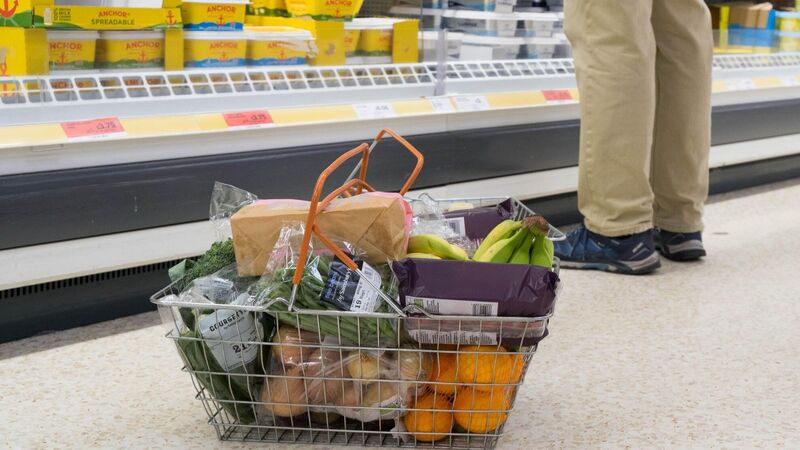
Sales on promotion were down 16% year-on-year which the company said gives shoppers fewer opportunities to manage costs through deals, contributing to smaller basket sizes overall.
Irish grocery price inflation stood at 6.5% over the 12 weeks to March 22, but shoppers “may now face additional price increases in the months ahead” due to the conflict in the Middle East which is expected to drive prices even higher.
According to the latest data from Worldpanel by Numerator, in the four weeks to March 12, take-home grocery sales increased by 5.2% compared to the same period last year.
Read More
Sales on promotion were down 16% year-on-year which the company said gives shoppers fewer opportunities to manage costs through deals, contributing to smaller basket sizes overall.
The value share of own label products increased over the past 12 weeks, with the category now holding 46.5% of the market while Irish shoppers have spent nearly an additional €76m on these ranges year on year.
Spending on premium own label brands was up nearly 12% year-on-year. Brands similarly continued to grow in both value and volume terms, albeit at a slower pace than own label items.
Business development director at Worldpanel by Numerator, Emer Healy, said as the conflict in the Middle East continues to “influence global fuel prices, attention is increasingly turning to how these pressures will affect household budgets”.
“Grocery inflation remains high, and shoppers may now face additional price increases in the months ahead.
"Historically, during periods of rapid inflation, shoppers have adapted by making practical changes, such as opting for lower priced alternatives, buying slightly less or seeking out promotions, and we can expect to see shoppers making these changes in the months ahead.”
In addition, Ms Healy said their latest pressure group analysis reveals that 26% of Irish shoppers now “describe themselves as financially struggling”.
“Understanding how shoppers respond to growing economic pressure will be crucial for Ireland’s retailers over the coming months. While the situation is fast evolving, causing uncertainty for retailers and consumers alike, we’re monitoring the data closely to identify emerging shopper behaviours and provide clear guidance as the situation evolves.”
Unit sales on Easter eggs were up 45% year-on-year with nearly half of Irish households buying them during the month of March, which is up by more than 11 percentage points versus the same time last year.
Celebrations extended beyond Easter, with Mother's Day driving an additional €2.3m in boxed chocolate sales compared with last year.
Combined spending on frozen desserts, ice cream, savoury snacks and alcohol rose by an additional €10.7m year-on-year, as shoppers sought to mark the occasion at home.
Dunnes Stores holds the largest share of consumer spend at 24.3% in the 12 weeks to March 22 with an influx of new shoppers which contributed an additional €11.5m to their overall performance. Tesco, the next highest, holds 23.6% market share.
SuperValu’s value share stood at 19.3%, while Lidl and Aldi’s held 14.3% and 11.1% shares respectively.


CONNECT WITH US TODAY



Be the first to know the latest news and updates