Fresh Trump tariffs target foreign pharmaceutical manufacturing
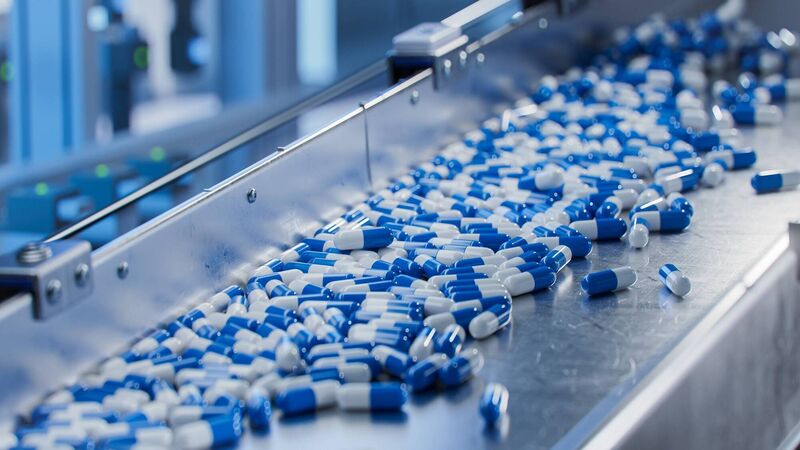
Most of the world’s biggest drugmakers, including Merck and Eli Lilly, which operate major facilities in Ireland, sidestepped the punitive moves.
The Trump administration will impose tariffs of as much as 100% on certain imported medicines to pressure drugmakers to manufacture more in the US, putting the spotlight back on the major, multinational pharmaceutical industry operating in Ireland.
The new levy, which President Donald Trump authorised, applies to patented drugs made in countries that lack tariff deals with the US by companies that don’t have most-favoured-nation-pricing agreements with the administration.
Duties for products made by certain larger companies will take effect in 120 days, while items from smaller manufacturers will not be hit for another 180 days, according to a White House statement.
Medicines made by companies that commit to some manufacturing in the US would see their imported products taxed at 20%, and if they strike most-favoured-nation agreements, the rate would fall to zero, the White House said.
The charges deliver on threats the president made last autumn to impose 100% tariffs on branded or patented medicines unless companies move production to the US. But they also contain significant carve-outs that could blunt the impact of the measures.
Most of the world’s biggest drugmakers, including Merck and Eli Lilly, which operate major facilities in Ireland, sidestepped the punitive moves by striking agreements with the administration.
Trump sent letters to 17 companies last summer with a list of demands, including cuts to prices they charge the Medicaid programme for low-income people, direct sales to US consumers, and the launch of new drugs at the same prices available in other developed nations, in exchange for tariff relief.
Aidan Meagher, EY Ireland tax partner and co-head of geopolitical strategy, said the immediate impact for Ireland and the EU appears relatively contained.
"Pharmaceutical exports from the EU to the US remain subject to a 15% tariff cap under existing EU‑US arrangement [The Turnberry Agreement] and generic medicines are currently exempt," he said.
"The bigger uncertainty, however, is company‑specific. Many of the world’s largest pharmaceutical companies — including many of those based here in Ireland — have already reached pricing and manufacturing agreements with the US administration, securing tariff relief in exchange for domestic investment commitments and/or US drug pricing [most-favoured-nation] pricing agreements.
A trade group representing biotech companies criticised the move by the Trump administration.
“Any tariffs on America’s medicines will raise costs, impede domestic manufacturing, and delay the development of new treatments — all while doing nothing to enhance our national security,” John Crowley, chief executive officer of industry lobbying group BIO, said in a statement.
Mr Crowley said the tariffs would create financial risks for smaller biotech companies that often lack the capital to build dedicated manufacturing facilities.
Generic medicines also will not be hit by the new tariffs, but the measure Mr Trump signed orders the Commerce Department to re-evaluate those products within one year, which leaves the door open to future levies depending on how much production is reshored, a White House official said ahead of the announcement.
CONNECT WITH US TODAY



Be the first to know the latest news and updates