Irish borrowers relieved as ECB keeps interest rates unchanged
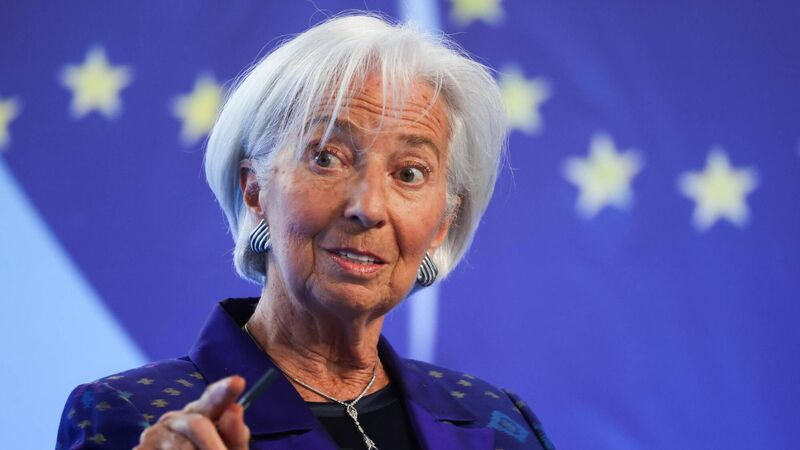
European Central Bank Christine Lagarde. On Thursday, the ECB kept interest rates unchanged for a sixth consecutive meeting. Picture: Alex Kraus/Bloomberg
The European Central Bank kept interest rates unchanged for a sixth meeting as it warned that the war in Iran could shift its expectations for inflation and the economy.
The deposit rate was left at 2% on Thursday. Officials said that leaves them well positioned, reiterating in a statement that they’ll act one meeting at a time. “The war in the Middle East has made the outlook significantly more uncertain, creating upside risks for inflation and downside risks for economic growth,” the ECB said.
“It will have a material impact on near-term inflation through higher energy prices. Its medium-term implications will depend both on the intensity and duration of the conflict and on how energy prices affect consumer prices and the economy.”
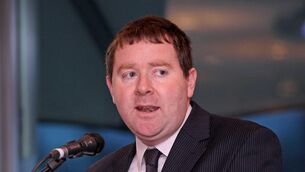
The chair of Irish Mortgage Advisors Trevor Grant said the ECB decision, while expected, will be a relief to existing and prospective borrowers. "However, there are growing concerns that the ongoing conflict in the Middle East could force the ECB’s hand and prompt it to raise rates sooner than previously anticipated. So, borrowers need to be mindful that there could be a limit to the amount of time that ECB rates will remain on pause, particularly against the backdrop of the current conflict in the Middle East.
"A prolonged war in the Middle East could lead to a substantial spike in eurozone inflation and the ECB could increase its interest rates to combat that, with many mortgage borrowers coming under pressure as a result."
With oil and gas markets getting another jolt earlier in the day, the ECB again said it is “determined to ensure that inflation stabilises at the 2% target in the medium term”. Traders maintained bets on rate hikes, fully pricing two quarter-point increases this year with about a 50% chance of a third. German bonds held earlier losses, with two-year yields up 11 basis points at 2.56%. The euro traded around 0.4% higher against the dollar at $1.15.
While the US has pledged to secure a swift end to the war, violence is escalating with strikes on critical energy infrastructure as policymakers already on high alert were meeting.
ECB officials are better placed than when Russia invaded Ukraine in 2022. But some are already raising the prospect of hikes — even with output also looking vulnerable, stoking stagflation fears.
A new quarterly outlook, based on inputs that ran until March 11 to account for the start of the war, pointed to faster inflation and slower growth.
Separate scenario analysis suggests that “a prolonged disruption in the supply of oil and gas would result in inflation being above, and growth being below, the baseline projections”, the ECB said.
Other major central banks are also in wait-and-see mode: The Bank of England and the Bank of Japan kept benchmark rates unchanged earlier on Thursday after the US Federal Reserve sat tight on Wednesday.
How badly Europe is affected by the the fighting hinges on its duration. The European Union has warned inflation could surpass 3% in 2026 if Brent oil remains near $100 a barrel and gas prices stay elevated for a prolonged period. Some economists see it even rising above 4% if problems persist.
ECB president Christine Lagarde and other officials stressed they won’t permit a repeat of the last inflation shock, most also oppose rushing to act. They highlight differences to four years ago, when pent-up demand following the pandemic lifted demand and borrowing costs were below zero.
Bloomberg
CONNECT WITH US TODAY



Be the first to know the latest news and updates