From doorstep loans to buy now, pay later: how Ireland’s moneylending sector has changed

Once a familiar presence in a crisis-ridden post-Celtic Tiger era, many of Ireland’s moneylenders have quietly disappeared in the last decade, resulting in an increasingly concentrated sector with fewer main players.
Once a familiar presence in a crisis-ridden post-Celtic Tiger era, many of Ireland’s moneylenders have quietly disappeared in the last decade, resulting in an increasingly concentrated sector with fewer main players.
The industry, long associated with cash loans at eye-watering interest rates, has been shrinking year by year as tighter regulation, changing consumer habits, and the rise of alternative credit options, such as the equally controversial practice of buy now, pay later (BNPL), reshape Ireland’s lending landscape.
What was once a last resort for thousands of struggling households in the aftermath of the financial crisis has become an increasingly niche service, now dominated by less than 30 providers.
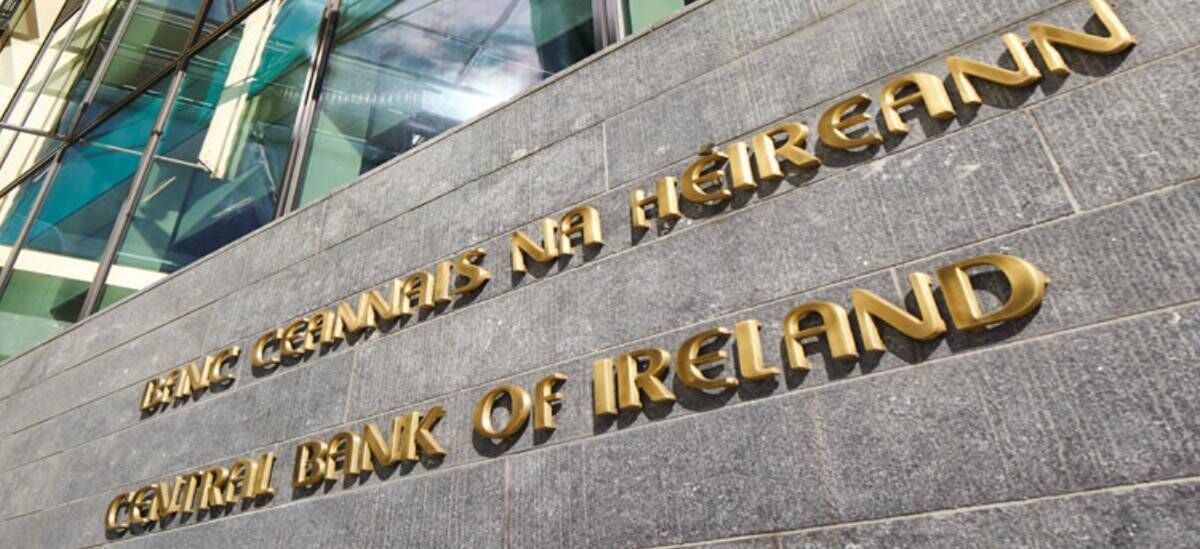
A new report from the Central Bank of Ireland found a “significant decline” in customer numbers in the past five years, citing the exit of the largest player in the sector in 2021.
This “largest player” is understood to be Provident Financial, which wrote off outstanding loans after its UK parent company announced the closure of its doorstep lending business following pre-tax losses of over €130m in the previous year.
After Provident’s exit from the Irish market, a cap on interest rates charged by moneylenders was introduced to provide further protection for Irish consumers.
The 2022 Act introduced a cap of 1% simple interest per week up to a maximum of 48% per annum on fixed-rate loans, as well as a nominal monthly interest rate of 2.83% on the outstanding balance for running accounts. The act also banned the practice of charging for home collection and introduced a maximum lending duration of one year.
In the almost three years since its implementation, the average annual percentage rate cost of credit has fallen from over 75% in July 2022 to 48% in July 2025.
In addition, the maximum annual percentage rate (APR) charged for high-cost loans, excluding collection charges, has dropped from 188.45% to 153.25% in the same period.
The number of firms operating in the high-cost credit sector has fallen notably in the last 15 years, pre-dating the introduction of the interest rate cap.
Since 2013, the number of registered moneylenders has fallen from 43 to just 28 in 2025, but that doesn’t mean all remaining industry players are struggling.
Dublin-headquartered Leinster Credit Ltd, which offers short-term cash loans direct to customer doorsteps, saw its operating profit rise by almost 50% in 2024 to €309,400, according to its most recently-filed financial statement.
Its turnover, which rose to almost €1.1m, marked a 13% rise on the previous year, with the company’s net assets rising to almost €600,000.
Meanwhile, turnover at Cork’s Marlboro Trust (Finance) DAC, a moneylender headquartered in Mayfield, also grew in the 12 months to August 2024, rising to €4.15m. Despite a fall in pre-tax profit, which came in at €74,000, the group increased its net current assets marginally in the year to just under €6m.
Located on Cork’s North Main Street, PJA Home Finance Limited also reported healthy growth in its most recently filed financial statement, with turnover for the year rising by 13% to €630,000.
The company reported a loss of €2,515 last year, with the company’s assets totalling €2.4m at the end of January 2025.
In Galway, Practical Finance DAC saw its profit for the financial year rise threefold in 2024 to €680,000. With its annual turnover at the end of December 2024 remaining relatively unchanged at just under €3m, the group recorded assets of almost €15.4m and said it in its most recently-filed accounts that it was growing its customer base along the Western Seaboard through its direct lending model.
But as noted in the Central Bank report, cash loans have become increasingly rare, with the high-cost credit industry now dominated by premium finance and online retail.
Premium finance in this instance refers to agreements to pay for an insurance premium, with the Central Bank noting a marked increase in demand for these products. This, they said, was driven by changes in the composition of the market due to Brexit, leading to a rise in customer accounts.
Data also shows that premium finance agreements increased over 2024, with around 117,000 consumer accounts reported as having these agreements in December 2024 compared with around 102,000 in December 2023.
One of the largest providers of premium finance in Ireland is Close Brothers Premium DAC.
Headquartered in Dublin, the company reported an operating profit of €323,000 in the 12 months to July 2024, following an almost 20% rise in the group’s operating income.
The credit provider had a loan book of €42.7m in 2024, for which it reported a “strong” underlying credit performance.
Meanwhile, popularity for high-cost credit among online retailers has also soared, according to the Central Bank.
For this, Ireland has two major players in the online retail space that offer high-cost credit to shoppers.
Clothing, home, tech and beauty retailer Very, which rebranded from LittleWoods Ireland in 2022, offers high-cost credit with a maximum variable APR of 39.7%.
In one example provided by Very, which is Ireland’s largest multi-category digital retailer and credit provider, a €200 purchase paid in 29 monthly payments at 8% with a variable APR of 39.7% would result in the total amount paid of €277.
Similarly, retailer Oxendales also allows customers to spread payments, offering a maximum APR of 46.9%.
The company operates an Oxendales Pay account, which it claims is suitable for individuals who wish to purchase clothing goods from an online supplier and spread the cost over a period of time.
In an example provided by the retailer, this means that for a €100 purchase spread across 13 monthly payments at 2.605% with an APR of 46.9%, the total amount payable would be just under €122.
The cash loan sector has experienced a significant decline in customer account numbers in the last five years, but premium finance and online retail agreements are growing. While the days of doorstep cash deliveries may be over, the industry has moved with the times to target the modern borrower. But with APRs of over 150% still commonplace across the industry and less options to consider, what hasn’t changed is the risk.
CONNECT WITH US TODAY



Be the first to know the latest news and updates