The Oracle of Omaha prepares to exit stage left
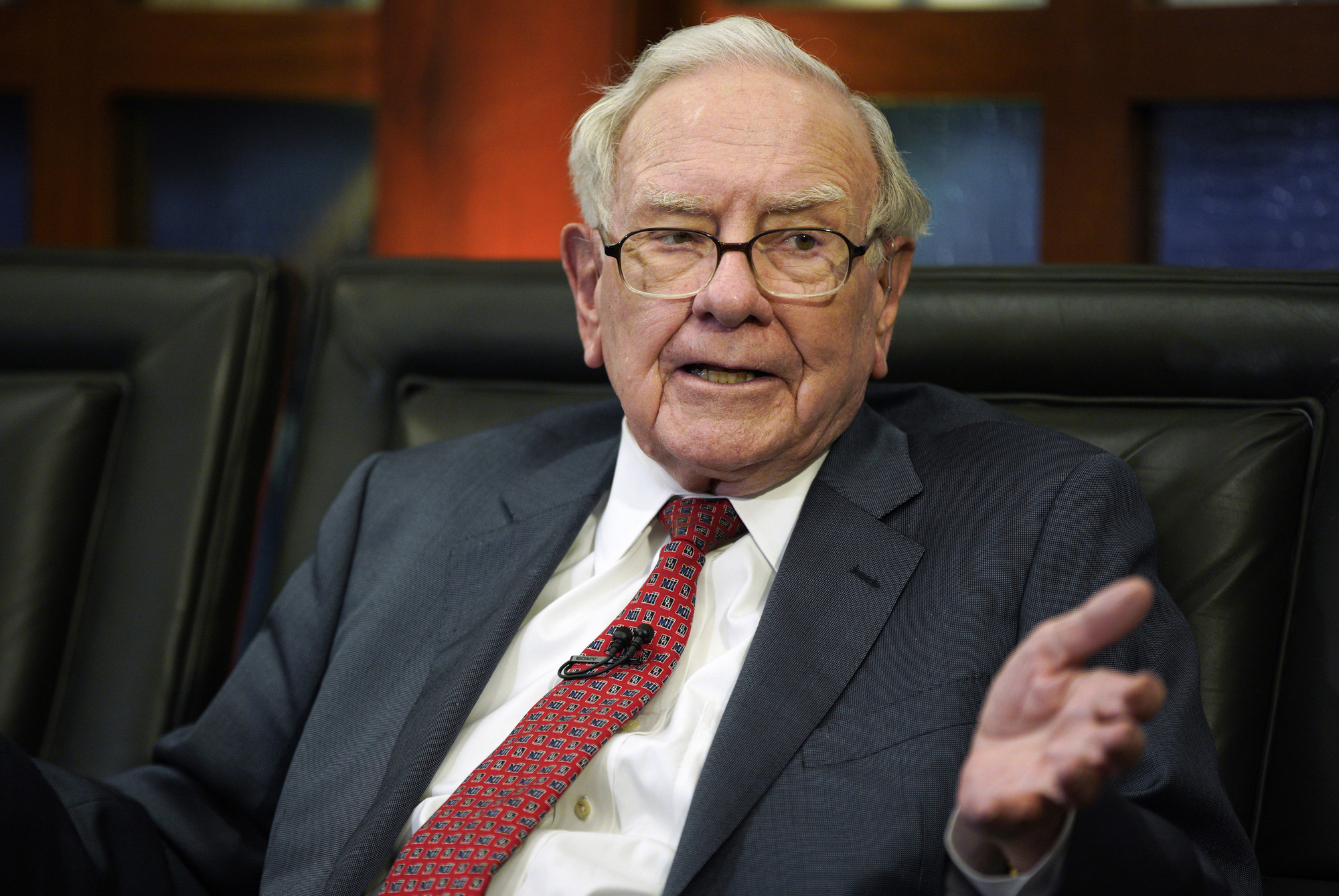
Berkshire Hathaway Chairman and CEO Warren Buffett has admitted caution in today’s generally overpriced market.
As legendary investor Warren Buffett gets ready to stand down as CEO of Berkshire Hathaway on January 1st, he leaves behind a legacy of financial acumen unmatched in modern times.
Having delivered a successful record of investing success over 60 years, he helped generate a compounded annual gain of up to 20% - doubling the S&P 500's 10% gain over the same time period. Buffett’s strategy of value investing has generated him a personal fortune of €150bn, and a Berkshire Hathaway market capitalisation of €1 trillion.
Value investing involves finding businesses trading below their intrinsic value, but with an ‘economic moat’ of strong growth potential and solid leadership. “Never invest in a business you cannot understand,” was a frequent Buffett refrain to novice investors. And when it came to starting young, few other legends matched his financial enthusiasm. Having saved for five years to buy his first stock, he made his initial stock market investment aged 11. “I bought my first stock at 11 - three shares of Citi Service Preferred. I spent five years saving that 120 bucks.”
He went on to file his first tax return aged 13. Nine years later, his savings amounted to $10,000 – mainly from after-school odd jobs in his home town of Omaha, and he took his first major leap into serious investing with insurance company Geico. “It was the first stock where I invested heavily. I got very excited about that company. I just kept looking, and I didn't worry. You can have fun working with small sums or big sums - I like playing the game.”
It was a game that he proved a winner at: “I didn't have to get rich in order to have a better life or for my kids to have a better life.” Quickly known as the ‘Oracle of Omaha,’ Buffett amassed dozens of companies, from battery maker Duracell to American Express, Coca-Cola and restaurant chain Dairy Queen. In his Thanksgiving letter to shareholders last month, the 95-year-old informed that “I will no longer be writing Berkshire’s annual report or talking endlessly at the annual meeting, as the British would say, I’m ‘going quiet.’ Sort of.” Buffett added that his successor, Greg Abel, is a great manager, a tireless worker and an honest communicator. Wish him an extended tenure.”
As Berkshire Hathaway has been a net seller of stocks in recent quarters, Buffett admitted caution in today’s generally overpriced market. “Berkshire's businesses have moderately better-than-average prospects, led by a few non-correlated and sizable gems.” Predicting that a decade or two from now, there will be many companies that have done better, he said, “Berkshire has less chance of a devastating disaster than any business I know.”
Amongst the long list of Buffett’s canny financial moves over the decades, it was his focus on National Indemnity and National Fire & Marine that yielded the most remarkable returns. Purchased in 1967, the company was one of his first insurance investments. Attracted by the ‘insurance float’ - the premium money insurers can invest between the time when policies are bought and when claims are made - it delivered the capital for many of Berkshire Hathaway’s investments over the years, while also fuelling its growth. In fact, Buffett’s affection for insurance companies went on to include giants of the sector like Geico and General Reinsurance. Their ‘insurance float’ totalled €152.7bn at the end of the first quarter this year.
Interestingly, Buffett never grabbed a seat in the tech stock bandwagon - instead emphasising a philosophy of investing within one's ‘circle of competence’ and focusing on a business's ‘durable competitive advantage’ rather than market hype. “Beware the investment activity that produces applause” was a frequent refrain. Always suspicious of the tech sector’s often dramatic ups and downs, he did eventually take a punt on Apple – and what a winning punt it was. Buying the stock in 2016, it became his most profitable investment ever, growing from €40bn to a peak of €170bn. What swung him was Apple’s immense brand loyalty and its efficient retail methodology.
Attributing his lifelong financial acumen to the “magic ingredient in Omaha’s water” and “the sheer luck of being born in America”, Buffett’s advice for future investment remained the same - continue trusting in compounding and acknowledging mistakes: “You will never be perfect, but you can always be better. Do not keep blaming yourself for past mistakes; learn a little from them and move on.
It is never too late to become better. Choose the right heroes and emulate them.” Noting that 'envy and greed go hand in hand', he said greatness is not about money or power, but helping many people in any way possible: “Kindness costs nothing but is priceless.” He then added the advice attributed to Alfred Nobel: “Decide what you want written in your obituary, and live a life worthy of it.”
And who could deny that the Sage of Omaha did exactly that.


CONNECT WITH US TODAY



Be the first to know the latest news and updates