Disinflation process is ‘largely completed’, says ECB’s Philip Lane
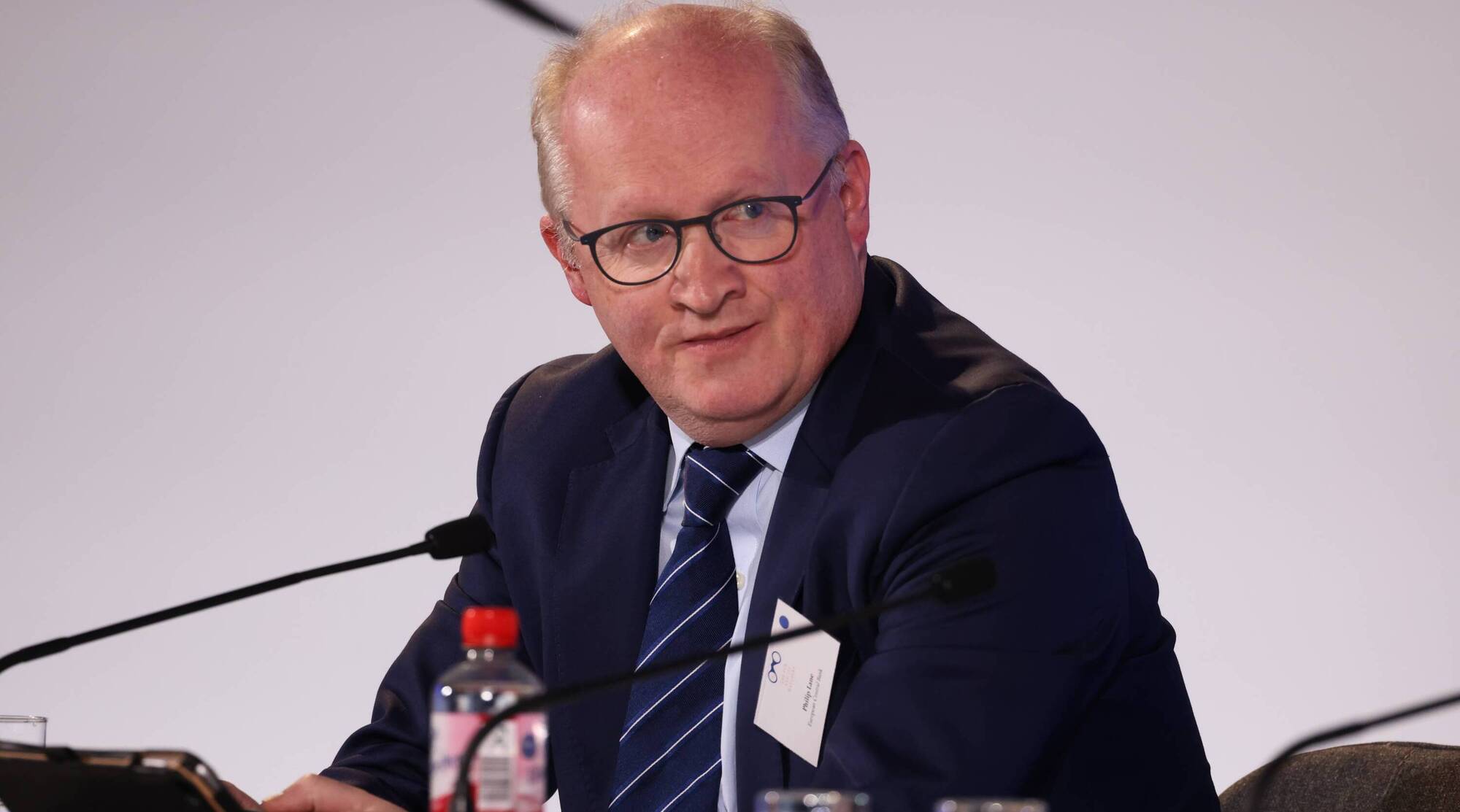
Philip Lane: 'While headline inflation is currently around the target, services inflation still has some distance to travel.' Photo: Alex Kraus/Bloomberg
European Central Bank Chief Economist Philip Lane said the process of bringing inflation back to 2% is almost over, despite some pockets of elevated price pressures remaining.
“While headline inflation is currently around the target, services inflation still has some distance to travel,” Lane said on Tuesday in London.
“Still, there has been sufficient progress in returning inflation to target to consider that this monetary-policy challenge is largely completed.”
Such confidence is allowing the ECB to hold off on further interest rate cuts for now. It’s made eight reductions since last June, totaling two percentage points and bringing the deposit rate to 2%.
The outlook is facing substantial risks, however, from US tariffs and conflicts in Ukraine and the Middle East. Trade talks between president Donald Trump’s administration and the European Union are continuing before a July 9 deadline.
President Christine Lagarde reiterated on Monday that with rates at current levels, the ECB is in a good position to navigate uncertainty. She acknowledged that tensions in the Middle East are a concern as they can obstruct energy supplies and stoke prices.
Speaking earlier on Tuesday, Slovak central-bank chief Peter Kazimir said recent days had shown how fragile the inflation position is, and that “vigilance will be a top priority.” ECB Vice President Luis de Guindos, however, said recent swings in commodities markets don’t change the outlook for prices.
Lane said the ECB’s disinflation task has been superseded by a new set of challenges, and that it must ensure the medium-term target is protected from factors that include “high uncertainty” about the future of international trade.
“This uncertainty extends beyond the calibration of new tariff regimes and includes the possibility of a broader set of non-tariff barriers, a deeper intertwining of economic policies and security policies and possible revisions to the treatment of foreign portfolio investors and foreign direct investors,” he said.
CONNECT WITH US TODAY



Be the first to know the latest news and updates