US economy contracts for first time since 2022 as imports surge
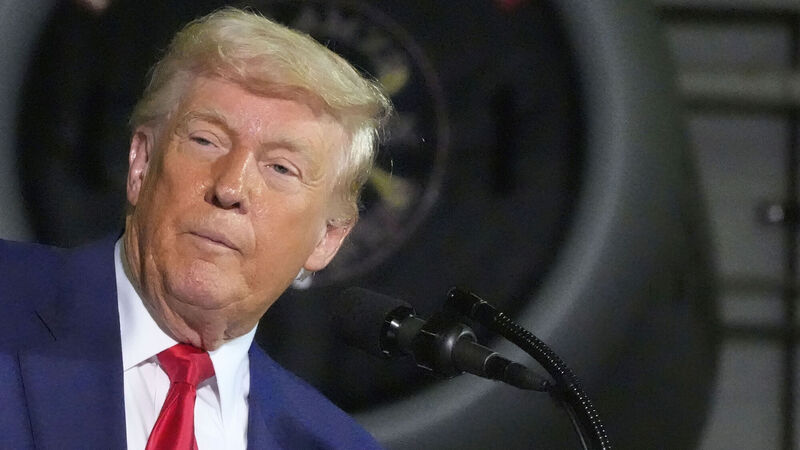
US GDP figures reveal that imports surged an annualised 41.3% — the biggest increase in nearly five years — ahead of US president Donald Trump's threatened tariffs. Picture: Alex Brandon/AP
The US economy contracted at the start of the year for the first time since 2022 on a monumental pre-tariffs import surge and more moderate consumer spending, a first snapshot of the ripple effects from president Donald Trump’s trade policy.
Inflation-adjusted gross domestic product decreased an annualised 0.3% in the first quarter, well below average growth of about 3% in the prior two years, according to the government’s initial estimate published today, Wednesday.
The data highlight the scramble by companies to secure merchandise ahead of expansive tariffs, with net exports subtracting nearly 5 percentage points from GDP, the most on record, the Bureau of Economic Analysis report showed. A decline in federal spending also weighed on the figure.
Despite the contraction, the underlying details of the report suggest some key drivers of the economy remained on a good footing at the start of the year.
Consumer spending, which accounts for two-thirds of GDP, advanced at a 1.8% pace, the weakest since mid-2023 but still better than economists had forecast. A gauge of underlying demand in the economy was solid, helped by the fastest growth in business equipment purchases since 2020.
Separate data out on Wednesday showed that inflation-adjusted consumer spending climbed 0.7% last month — more than analysts expected — after an upward revision to the prior month.
Meanwhile the Federal Reserve’s preferred inflation gauge was unchanged in March, the tamest in almost five years, excluding food and energy.
Trump trade adviser Peter Navarro called the GDP report “the best negative print I have ever seen in my life” in an interview on Wednesday with CNBC, saying consumption remained strong and the president’s deregulation efforts would buoy the economy.
The GDP figures showed imports surged an annualised 41.3% — the biggest advance in nearly five years. Because these goods and services aren’t produced in the US, they are subtracted from GDP. Many economists see the sharp widening of the trade deficit reversing in the second quarter, which would support a near-term rebound in growth.
- Bloomberg


CONNECT WITH US TODAY



Be the first to know the latest news and updates