Mid-West house prices up more than 40% in five years as completions fall behind demand
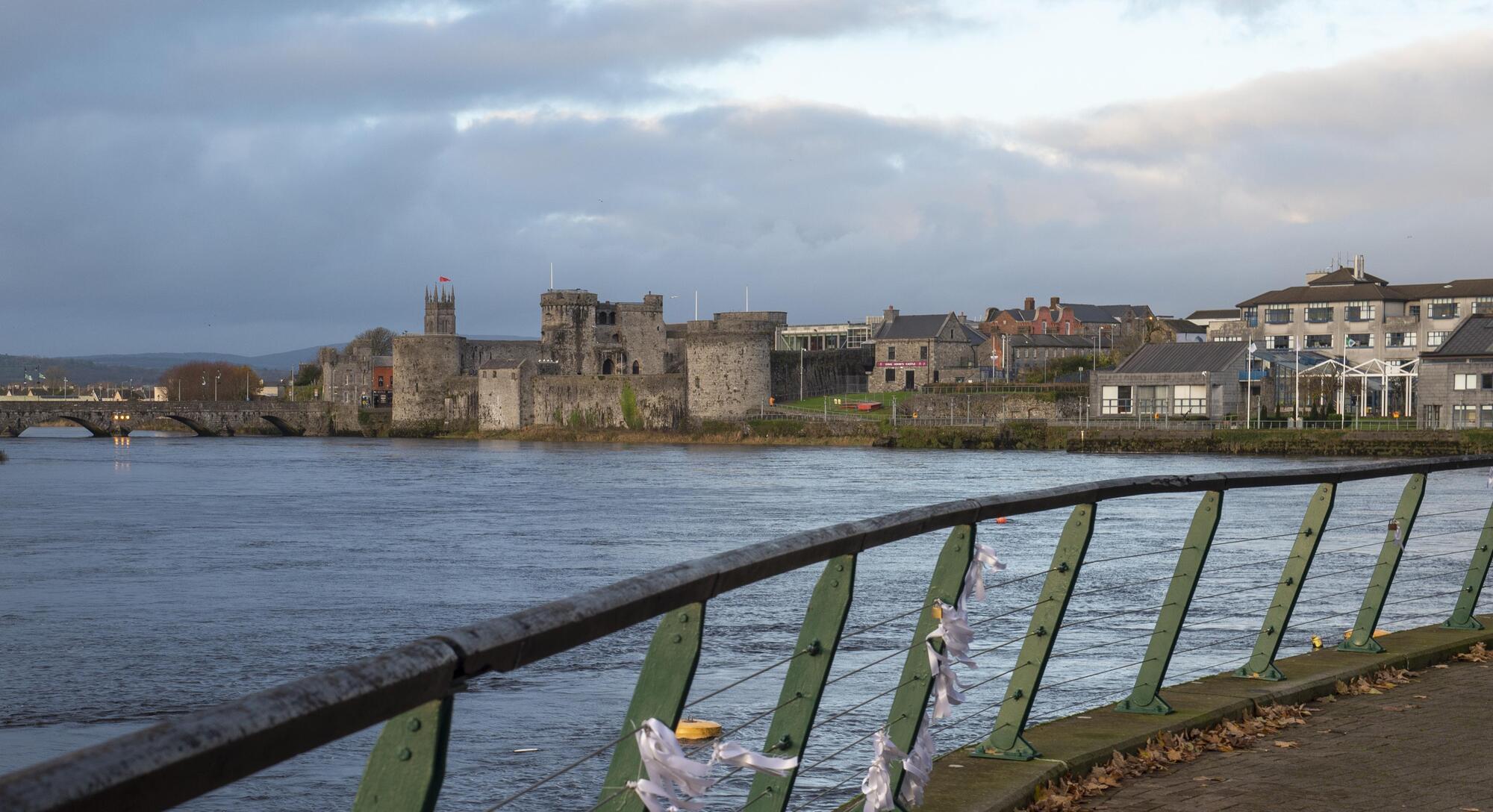
Just 5.4% of "affordable" homes were delivered in Limerick, compared to 61% in Dublin
The supply of housing in Ireland's Mid-West remains far below demand with the prices in the region soaring by more than 40% in the past five years.
Publishing its Mid-West economic insight report on Monday, Limerick Chamber warned that while completions rise, far more are needed to keep pace with rising demand.
According to the report, house prices in Limerick rose by €70,000 since 2020, with just 1,000 new dwelling completed last year despite an analysis by the Housing Commission suggesting it needed up to 4,300 homes to meet demand.
In addition, just 5.4% of "affordable" homes were delivered in Limerick, compared to 61% in Dublin, with the Chamber saying this highlighted an "alarming and glaring regional disparity."
In 2023, non-household entities were responsible for almost 60% of housing purchases across Limerick, significantly more than the national figure was almost 42%.
However, Limerick Chamber warned that price increases are not solely levied on the purchasing sector, with rents in Limerick city soaring by almost 77% over the past five years. It also noted rent increases surpassing 60% in Clare.
The housing crisis is undermining competitiveness, the chamber added, hampering talent retention, increasing wage pressures, and forcing workers into long commutes due to limited urban availability.
Despite these pressures, employment in the Mid-West has reached an all-time high, with unemployment now sitting at 3.4%. The region continues to attract international talent, accounting for over 8% of all national work permits issued. However, the report warns that talent shortages and inadequate infrastructure could stall growth if not urgently addressed.
"The report highlights, despite a slow down of IDA supported employment at the national level, IDA supported employment in the Mid-West continues to grow, growing by 2.6% in the previous year to over 27,000 employees," said Seán Golden, chief economist and director of policy at Limerick Chamber.
Also touching on the Shannon Foynes Port, the report said this remains a "vital asset," handling over 7.6m tonnes of dry bulk, more than any other Irish port, positioning it as "a key driver of regional growth."
“Given Shannon Foynes’ status as a national logistics hub, we need to ensure that Ireland expands it beyond this, and follows in the footsteps of France, by investing in the port to harness offshore renewable energy," Mr Golden said.
"Speaking at the launch of the new report, Golden concluded: “This year’s report sends a clear message: the Mid-West is thriving in employment and enterprise, but our economic momentum is at risk if we fail to act decisively on housing, infrastructure, and skills.
For investors, employers, policymakers, and communities alike, the report underscores the region’s potential as a growth engine for Ireland, but also warns that continued disparities with Dublin and Cork could widen if immediate action isn’t taken.
“This year’s MWEI is a clear call to action. Without targeted investment in housing, transport, and indigenous enterprise, the Mid-West risks being left behind. Government must move swiftly to implement regional commitments under Project Ireland 2040.”
CONNECT WITH US TODAY



Be the first to know the latest news and updates