Eurozone inflation dips again ahead of ECB meeting this week
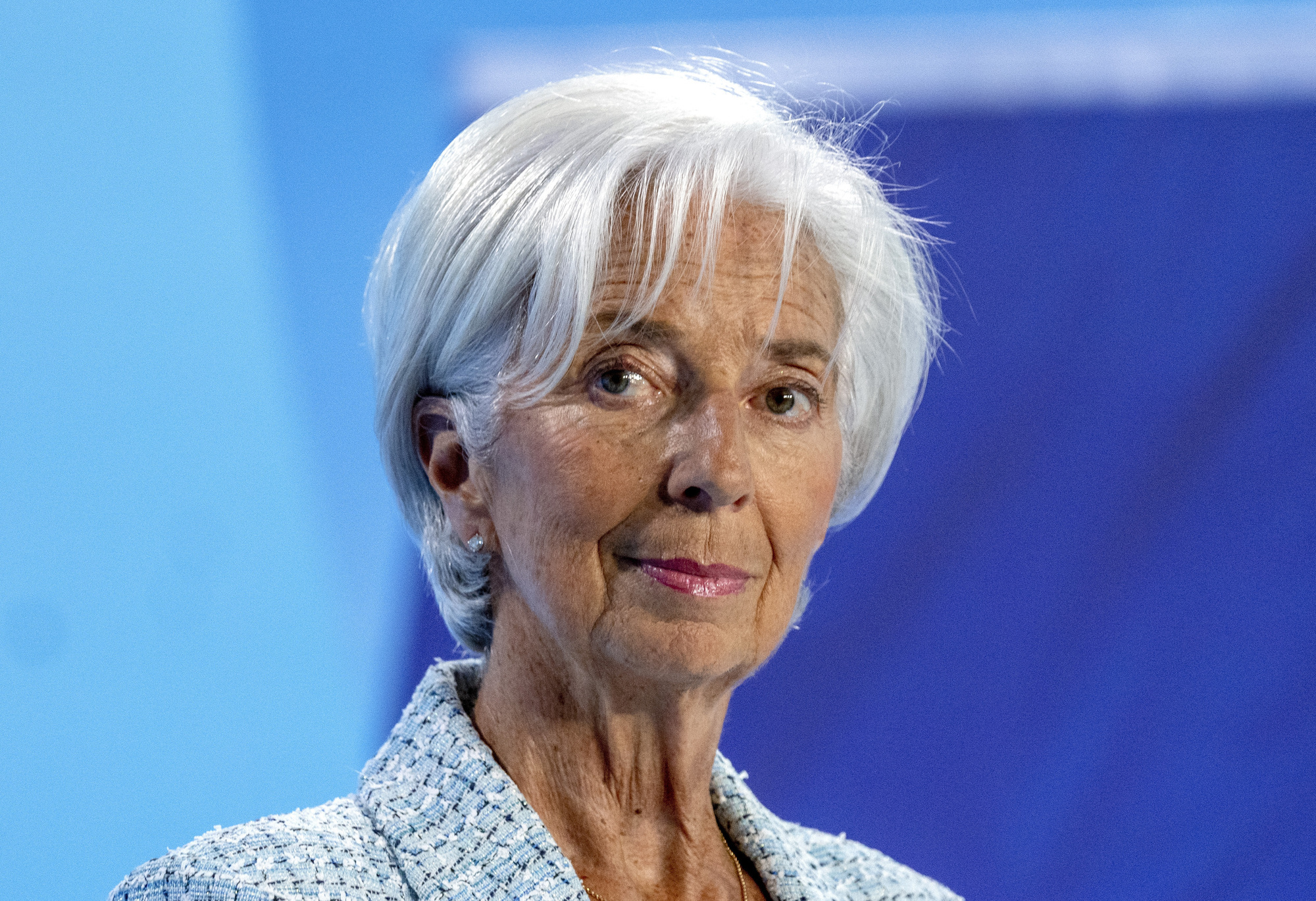
European Central Bank president Christine Lagarde: The ECB is due to meet on Wednesday and Thursday this week to discuss future interest rate cuts.
Inflation across the eurozone dropped slightly during February to 2.4%, according to the latest flash estimate from Eurostat, ahead of a pivotal meeting of the European Central Bank (ECB) later this week where another interest rate cut could be announced.
According to Eurostat, the annual rate of inflation last month fell from the 2.5% recorded in January. Services inflation continues to be the primary driver of rising prices, up 3.7% over the last 12 months, followed by food, alcohol, and tobacco, up 2.7%.
These price increases were offset by just a 0.6% increase on non-energy industrial goods and a 0.2% increase in energy costs.
Eurostat uses a method of tracking inflation called the harmonised index of consumer prices (HICP) which is slightly different to the Consumer Price Index used by the Central Statistics Office but does allow for a comparison to be made between EU member states.
Ireland’s HICP inflation rate during February stood at 1.3% — the second lowest across the eurozone behind France. Estonia had the highest rate of inflation last month, at 5%, followed by Croatia at 4.7%.
These latest figures will be welcomed by the ECB ahead of its two-day meeting in Frankfurt on Wednesday and Thursday this week, where further interest rate cuts will be discussed.
In February, the ECB announced an interest rate cut of 0.25%. This followed four interest rate cuts during 2024 which amounted to a 1% rate cut overall.
The ECB has set a target of getting inflation back down to 2% over the medium term.
This data offers further reassurance to ECB officials, who say their price goal will be met sustainably in the months ahead.
While focused on that aim, they’re also navigating flimsy economic growth in the 20-nation currency bloc, the threat of US trade tariffs and chaos over Ukraine peace talks.
The ECB will take particular comfort from the moderation in the services sector, where they have long been predicting some relief as the strong gains in wages sparked by the surging inflation of recent years begins to abate.
Analysts are predicting back-to-back rate cuts until the deposit rate — currently 2.75% — reaches 2%. Investors, though, reckon a pause is possible in April.
Views within the Governing Council are diverging. Hawks advocate a more cautious approach, to avoid lowering rates by too much. Others are more concerned a stuttering economy will drag inflation below 2%.
A major issue is that borrowing costs are nearing neutral levels where they neither restrain nor stimulate economic activity. Investors will be watching this week to see whether the ECB continues describing its stance as “restrictive,” or whether it opts for different language that signals it may take a breather in the months ahead.
While the ECB will look to cut interest rates further over the coming months, in the US the picture is a little less clear. Inflation in the US rose by 3% during January — a slight increase compared to December.
The US Federal Reserve declined to cut interest rates following a meeting in late January and the latest inflation numbers would suggest an interest cut is not likely when the Fed’s board meets again later this month.
CONNECT WITH US TODAY



Be the first to know the latest news and updates