Manufacturing sector sees strong growth in new orders during October
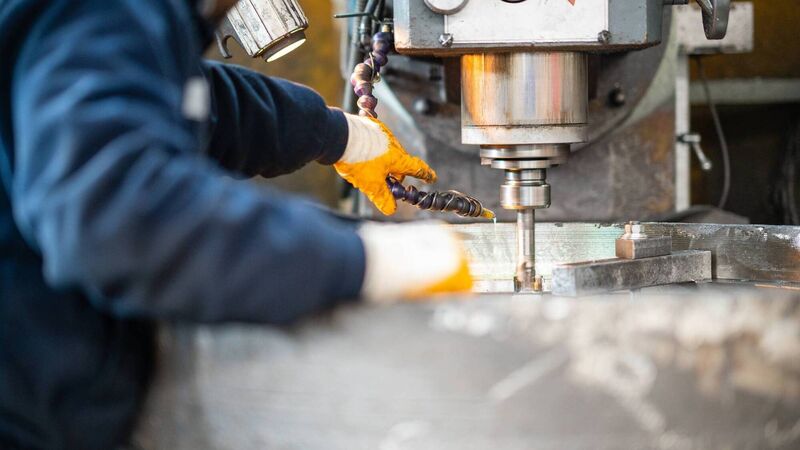
Higher levels of new work led to manufacturers modestly expanding their production schedules during the month.
There are “tentative signs” of a turnaround in Irish manufacturing after the latest Purchasing Managers Index (PMI) showed growth in the sector during October on the back of the strongest upturn in new work since May 2022.
According to AIB’s October PMI, the manufacturing sector recorded a reading of 51.5 — up from a 49.4 in September. In comparison, last month the eurozone, US, and the UK recorded manufacturing PMIs of 45.9, 47.8, and 50.3 respectively.
The PMI is a single figure indicator of the manufacturing sector’s performance where any number above 50 indicates growth. The reading is derived from indicators for new orders, output, employment, suppliers’ delivery times and stocks of purchases.
AIB said the rise in the PMI was driven by a rebound in new business intakes, with new orders improving for the first time in eight months.
Higher levels of new work led to manufacturers modestly expanding their production schedules during the month. Greater output volumes have now been recorded in three of the past four months.
However, export sales decreased for the ninth consecutive month.
Chief economist at AIB David McNamara said output across the sector rose in October following a “contraction in three of the previous five months”, with respondents citing a renewed rise in domestic demand.
“This was also evident in a first rise in new orders since February, but export orders continued to contract for the ninth month in succession. Firms linked this drop in orders to lacklustre demand from European clients,” he said.
Hiring fell marginally for the second month, with manufacturers linking this fall to non-replacement of departing staff.
“However, increased backlogs of work were recorded for the first time in two-and-a-half years. Survey respondents noted that rising volumes of new work and staff shortages in some firms had led to an accumulation of outstanding business,” Mr McNamara said.
The data also indicated a marginal reduction in post-production inventories, although the speed of stock depletion was much less marked than seen in the first half of 2024.
AIB said a decline in stocks of finished goods was generally linked to deliberate inventory streamlining.
Price pressures also eased, with firms signalling a slower pace of inflation in input and output costs. While some manufacturers reported rising expenses related to transportation, others suggested softer commodity prices had helped to alleviate overall cost pressures.
Irish manufacturers maintained an overall positive outlook regarding activity over the coming 12 months, with sentiment rising in October. This optimism was linked to improvement in demand and forthcoming new projects.
About 49% of manufacturers anticipate a rise in output over the next 12 months, while only 12% forecast a decline.
However, AIB also said there were reports intense competition for new work and squeezed budgets had constrained business confidence.


CONNECT WITH US TODAY



Be the first to know the latest news and updates