No more fiscal favours? Calls to tax super-rich gain traction around world
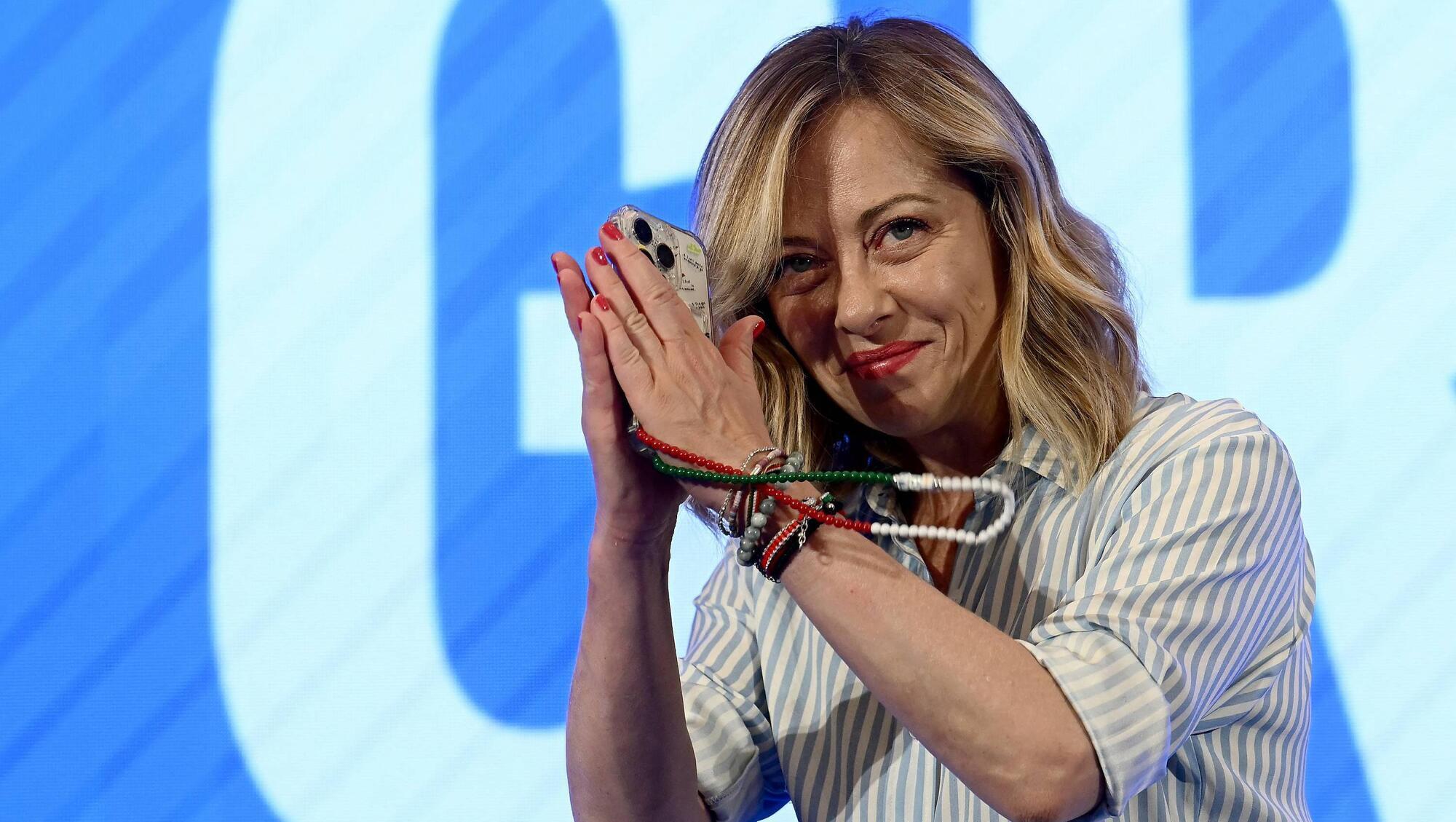
Italian ministers in Giorgia Meloni’s rightwing administration have doubled a 'flat tax' on foreign income from €100,000 to €200,000
Calls for higher taxes on the super-rich are gaining traction and even conservative governments are joining in.
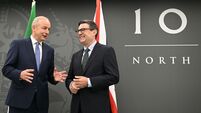
In Rome, ministers in Giorgia Meloni’s rightwing administration have doubled a “flat tax” on foreign income from €100,000 to €200,000 that a previous government brought in to attract wealthy investors.
Italy’s low tax on foreigners and their income gained abroad did its job after 1,186 rich individuals adopted the country as their tax residency, but protests this year showed it was out of line with the prevailing mood.
The country’s economy minister, Giancarlo Giorgetti, said Italy was now against the idea of countries competing with each other to offer “fiscal favours” to the wealthy.
The decision came only weeks after 19 former heads of state — including the former prime minister of Australia Julia Gillard, and Dominique de Villepin, who had the same role during Jacques Chirac’s presidency — signed a joint letter calling for heavier taxes on wealth, and a meeting of G20 finance ministers that agreed more needed to be done to tax the global elite.
While Giorgetti didn’t mention the UK, another prompt for the U-turn was Rishi Sunak’s partial abolition of tax breaks for wealthy foreign residents, known as non-domiciled status. Italy’s favourable treatment became an embarrassment for Meloni, and even more so when Keir Starmer promised an incoming Labour government would take an even tougher stance on non-doms should it be elected.
The rhetoric from Joe Biden has also helped the cause of a global wealth tax. The US president made an attack on the super-wealthy a central theme of his re-election campaign before stepping aside for Kamala Harris as the Democratic party candidate.
The G20, which was formed after the 2008 crash to coordinate efforts to rebuild a battered global economy, has members from all parts of the globe, ranging from Saudi Arabia, Mexico, Turkey and Indonesia to the US, China, France and the UK.
Brazil is the current host and the country’s president, Luiz Inácio Lula da Silva, is credited with putting a tax on wealth at the top of the group’s agenda.
Da Silva invited the French economist Gabriel Zucman to advise the G20 on how to tax the super-wealthy in a way that all countries could coalesce around.
Zucman said the average wealth of the top 0.0001% of individuals had grown by 7.1% a year on average between 1987 and 2024, increasing the share of global wealth of billionaires from 3% to 14%.
Describing his plan as a top-up to income tax, so that billionaires paid an annual tax bill worth at least 2% of their wealth, Zucman said progressive taxation was a pillar of democracy.
Oxfam, which produces an annual global tax report, said it supports the G20 initiative, but wants it to go further than just tackling billionaires such as the former Microsoft boss Bill Gates, Bernard Arnault, the head of the LVMH luxury brand, Amazon’s Jeff Bezos and the German billionaires behind the Lidl and Aldi supermarket chains, the Schwarz and Albrecht families.
Christian Hallum, a senior tax policy adviser at Oxfam, said the G20 needed to resist the threat of an exodus. “Everyone in the top 1% has been doing extremely well for decades and paying lower effective tax rates than most households,” he said.
Oxfam wants centimillionaires to be included and the extra tax money to be targeted at anti-poverty measures.
“We are all incredibly excited about what happened at the G20 finance ministers meeting and the intention to tax the super rich. But while 2% is better than nothing, it is at the low end of our ambitions. There needs to be a huge effort to tackle global poverty and we need to cast the net wider,” he said.
CONNECT WITH US TODAY



Be the first to know the latest news and updates