Eoghan O'Mara Walsh: Hospitality Vat reduction may alleviate some labour cost pressures
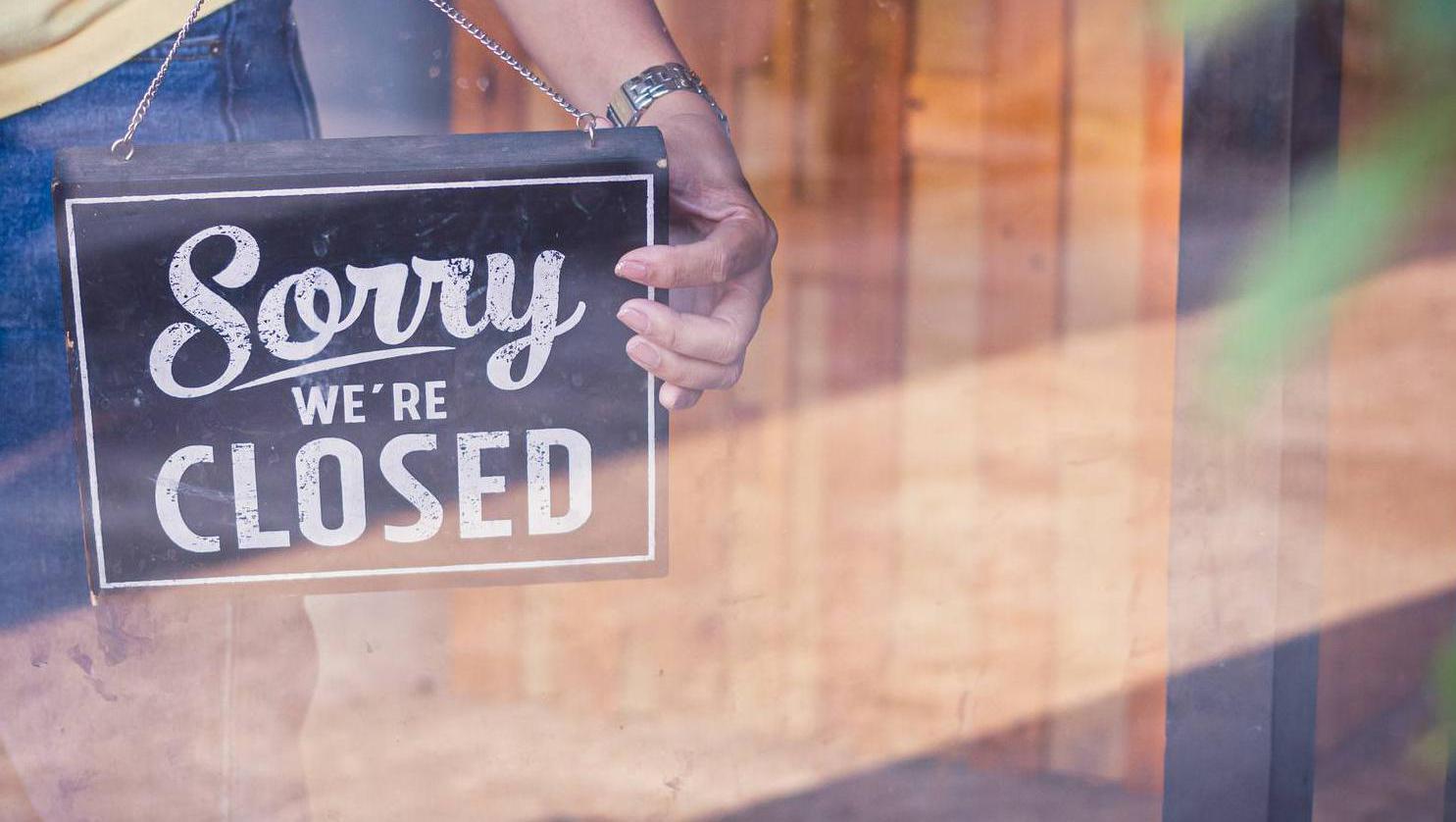
Research from Deloitte Ireland shows a 142% increase in hospitality closures in the first quarter of the year alone compared to last year.
It’s that time of year again when every week there seems to be a different interest group — NGO, civic or business — submitting its budget proposals to the Government for consideration. The Irish tourism industry is no different and a detailed submission went in earlier this month arguing for the restoration of the 9% Vat rate for the sector and a reversal of the investment cuts announced last year.
Of course, Minister for Finance Jack Chambers can talk about competing interests and finite resources, but the latter argument has a somewhat diminished credibility after the Government’s own Summer Economic Statement signalled a budget package to include tax cuts and spending increases amounting to a whopping €8.3bn.

All the talk of prudence and fiscal responsibility can’t conceal the fact that this looks like it will be a giveaway pre-election budget. But the key question is who will get what? Certainly, the public will be showered with goodies but indigenous SME sectors, such as tourism, can make a very powerful case for support too.
Tourism and hospitality are the largest indigenous sectors and biggest regional employer the country has, consisting of around 20,000 businesses, according to the Central Statistics Office.
Most are in regional Ireland and nearly all labour-intensive. There are great swathes of the famed Wild Atlantic Way where the only economic show in town is the tourism industry. Now that we are in the height of the summer, it is increasingly apparent that businesses are facing a very mixed outlook.
Labour costs alone have jumped sharply this year and much of the rise is State induced.
A recent report by economist Jim Power laid bare the significant increase in labour costs on tourism enterprises because of Government policy.
The raft of measures coming into effect this year — including the move to a living wage, enhanced sick pay and pension auto-enrolment — is collectively set to add €456m to the payroll of tourism and hospitality businesses in 2024 and as much as €1.4bn by 2026. And, of course, this is above and beyond any regular wage trends.
No responsible business owner has an issue paying employees better terms for the valued work that they do, particularly within a high cost-of-living context, but for the full burden to be borne by employers is unsustainable.
That’s why the 9% Vat rate is front and centre once again — it is the most effective, direct and sector-specific way of supporting tourism and hospitality businesses and, due to a bountiful exchequer, the Government can well afford it. Those in the food services element of the tourism industry have been hit particularly hard with research from Deloitte Ireland showing a 142% increase in hospitality closures in the first quarter alone compared to last year.
However, it is capacity constraints that risk putting a handbrake on any longer-term growth. Around 70% of the Irish tourism economy is made up of international visitation and the passenger cap at Dublin Airport will, by definition, stymie growth.
The potential of Cork and Shannon airports must be maximised but Dublin, as the main gateway to the island as well as being a strategic hub between the North America bloc and Europe continent, must be allowed expand.
Tourism and aviation have a symbiotic relationship - the former relies on aviation to bring in visitors and airlines rely on tourism to fill seats.  AOB is often the final agenda item but for the Irish tourism industry it is the first: Access is the Oxygen of Business.