German economy is improving, but slowly, say business chiefs
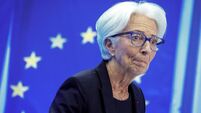
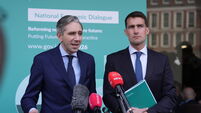
Ifo president Clemens Fuest said pay pressures will remain because labor markets continue to be tight
German economy is improving, but slowly, say business chiefs

While the pick-up was again driven by buoyant services, the weakness in the crucial manufacturing industry abated. 

Germany’s business outlook rose for a fourth month as confidence builds that the country’s economic rebound will strengthen over the rest of the year.

Expectations gauged by the Ifo institute rose, but another measure of current conditions fell, according to the latest survey by the institute. 

“It’s not yet a full recovery,” Ifo president Clemens Fuest said. “The German economy is improving, but slowly,” he said, noting better performances for manufacturing and construction.

Europe’s biggest economy dodged a recession over the winter, thanks in part to mild weather that boosted construction and helped lift GDP by 0.2% in the first quarter. Other indicators show momentum building in other sectors, putting the recovery on a more solid footing.

Private sector activity expanded at the fastest pace in a year in May, according to surveys by S&P Global. While the pick-up was again driven by buoyant services, the weakness in the crucial manufacturing industry abated. 

Consumers are expected to drive a gradual revival in the coming quarters as they benefit from cooling inflation and strong wage gains. Negotiated pay jumped by more than 6% in the first quarter, the Bundesbank said this week, while inflation is expected to have remained below 3% in May.

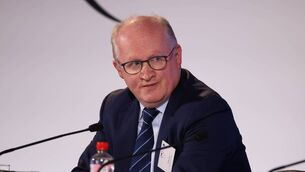
“Recent survey data suggest the road to recovery for Germany’s economy will continue to be long and bumpy," said Martin Ademmer at Bloomberg Economic. 

Factories may also benefit from rising exports and lower interest rates, though the latter may take time to be felt as central banks take a cautious approach to loosening monetary policy. 

The European Central Bank is widely expected to decide on a first rate cut in June, while the path thereafter remains unclear and investors have recently pared back bets on how much easing it’ll deliver this year. 

Mr Fuest said pay pressures will remain because labor markets continue to be tight. 

“One answer to that is increases — this is a risk for inflation and at the same time we need those wage increases to make sure workers go where they are most productive,” he said. “This is going to be challenging for monetary policy. So I think maybe rates will stay high for longer.” 

Bloomberg

x

More in this section

The Business Hub

Newsletter

News and analysis on business, money and jobs from Munster and beyond by our expert team of business writers.

Cookie Policy Privacy Policy Brand Safety FAQ Help Contact Us Terms and Conditions

© Examiner Echo Group Limited