Oil price eases on hopes of Middle East de-escalation after attacks
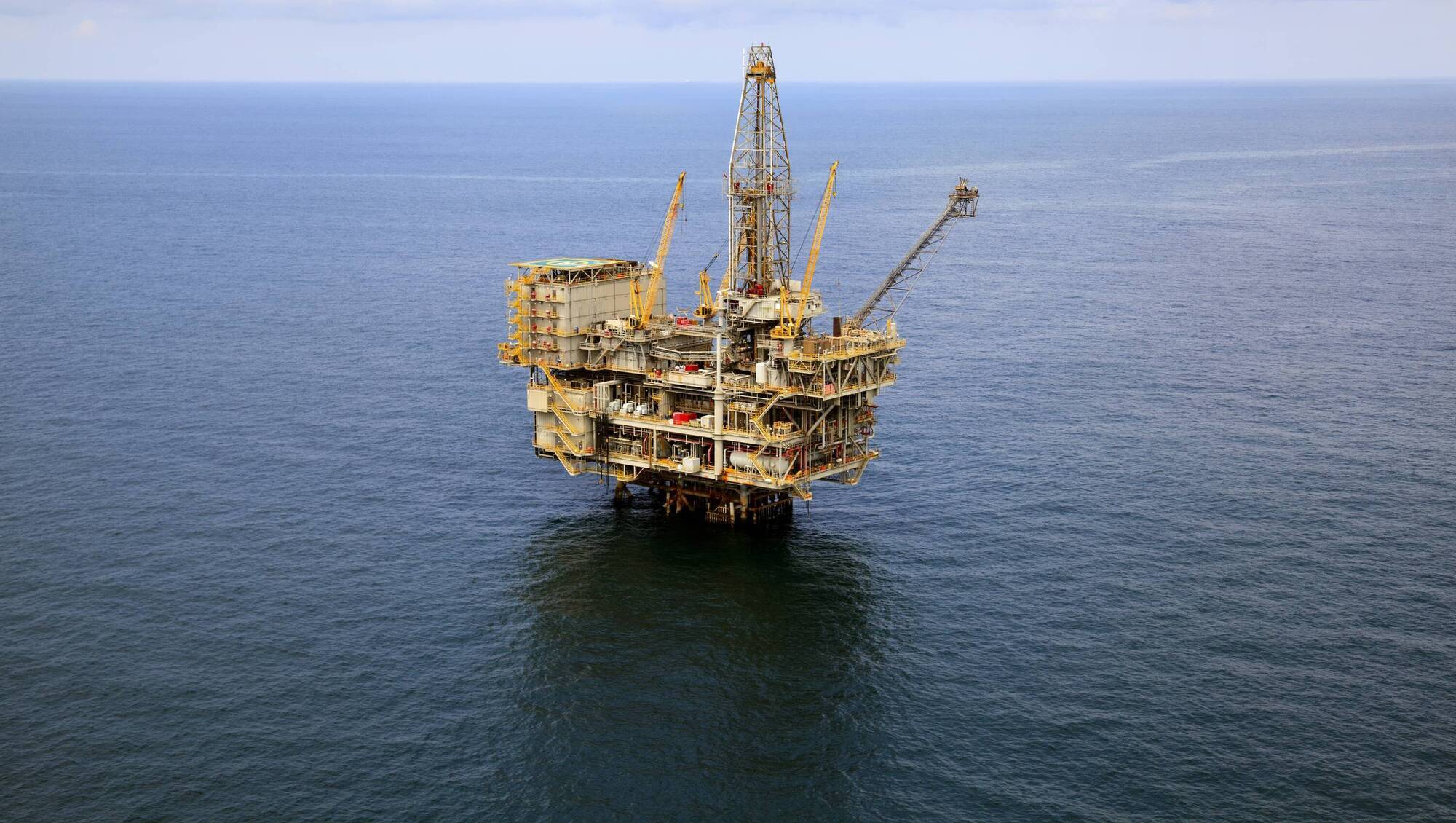
The price of Brent crude, the international oil benchmark, fell almost 1% back to $89.60 a barrel, the level of early last week.
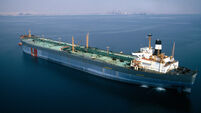
The price of global crude oil and European wholesale gas traded little changed as traders bet the Israel-Iran attack and counter-attack will not lead to a wider conflagration between the two countries.
The relief rally also spread to European stock markets, where Irish shares joined in a buying spree despite fears over the weekend about the huge risks of the Israel-Hamas war spreading to include regional superpowers in the Middle East such as Iran.
The price of Brent crude, the international benchmark, fell almost 1% back to $89.60 a barrel, the level of early last week. The European wholesale gas price rose by 1.7% to €31.25 per megawatt hour on futures markets.
Oil benchmarks had risen on Friday in anticipation of Iran's retaliatory attack, with prices touching their highest since October.
Iran saying it considered its retaliation to be over has lowered the geopolitical temperature, said Kpler analyst Viktor Katona, while John Evans at oil broker PVM said the Iranian drone and missile attack was "about as telegraphed a world event that people can remember".
Mr Evans said:
Shares across Europe regained some of last week's losses on hopes of de-escalation in the Middle East and ended the day in positive territory, the exception being the Ftse-100 index which dipped slightly, said Axel Rudolph, senior market analyst at online broker IG.
"Following two straight weeks of falling stock prices, European and US indices ended the session in positive territory amid de-escalation hopes in the Middle East, a rebound in eurozone industrial output, much stronger-than-expected US retail sales and solid Goldman Sachs earnings which beat estimates also boosted stock markets," Mr Rudolph said.
The attack, which Iran called retaliation for an air strike on its Damascus consulate, caused only modest damage, with missiles shot down by Israel's Iron Dome defence system.
"An attack was largely priced in over the days leading up to it. Also the limited damage and the fact that there was no loss of life means that maybe Israel's response will be more measured," said Warren Patterson, head of commodities strategy at ING.
Iran produces more than three million barrels of crude oil a day as a major producer within the Organisation of the Petroleum Exporting Countries, or Opec. Middle East hostilities centred on the Israel-Hamas conflict in Gaza have had little tangible impact on oil supply so far.
"If the crisis does not escalate to a point that creates supply disruptions, then there will be downside risk over time, but only once it becomes clear Israel has chosen a measured response," said Amrita Sen, founder and director of research at Energy Aspects.
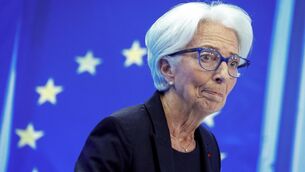
Analysts over the weekend had braced for a potential sharp rise in energy markets should war in the Middle East escalate further. Economists had said energy markets would have to surge significantly for the European Central Bank to delay a much-anticipated first rate cut in June.


CONNECT WITH US TODAY



Be the first to know the latest news and updates