Simon Barry: Stage set for ECB rate cuts as inflation heat turns down
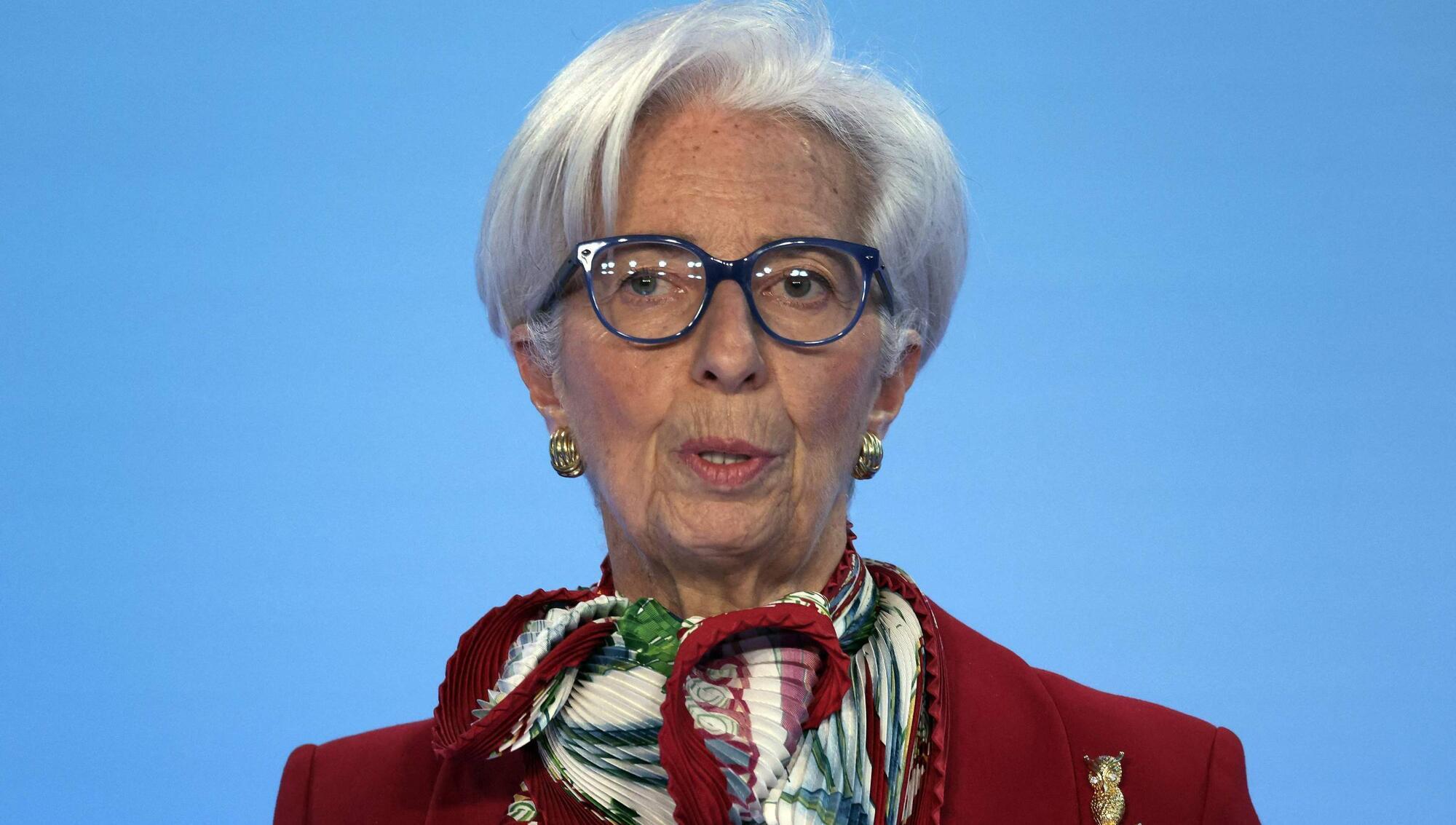
In summing up the Governing Council’s March discussion, ECB president Christine Lagarde acknowledged the 'good progress' that has been made in getting inflation down towards target.
After an unprecedented run of 10 consecutive interest rate hikes, the European Central Bank has left rates on hold since last September. Investors, banks, borrowers, and depositors ae now trying to figure out what’s coming next from Frankfurt.
Bulled up by a plunge in inflation which had seen it drop to 2.4% in November from a record high of 10.6% just 13 months earlier, markets at the turn of last year were priced to expect a first-quarter, point-rate cut in March, and for a further 1.5 percentage points in cuts by the end of the year.
Things have changed quite a bit since then. The anticipated March cut clearly didn’t materialise, and the extent of overall easing expected this year has been scaled back markedly.
So, how is the interest rate outlook shaping up?
A number of important clues were provided by the ECB’s update at its March meeting. Notably, the updated quarterly forecast prepared by ECB staff forecast that core inflation will be back at the 2% target in that final year of the forecast.
Given the ECB’s mandate to deliver 2% inflation durably over the medium term, and the lags between changes in interest rates and their full impact on the economy, this is a really important signal that the ECB’s own analysis is indicating that its job in fighting the current bout of inflation is done.

Secondly, in summing up the Governing Council’s March discussion, president Christine Lagarde acknowledged the “good progress” that has been made in getting inflation down towards target.
However, an important caveat was that officials were not yet sufficiently confident about the future path of inflation in order to start discussing rate cuts at that meeting.
The Governing Council’s view was that it needs “more evidence, more data" and that “this data will come in the next few months”. In an important follow-up, she added that “we will know a little more in April, but we will know a lot more in June”.
This was a clear hint about timing which has led markets to zero-in on June as the most likely month for the first rate cut, at which point the ECB will have more news to digest on wage trends — a topic that has gained significant prominence of late — as well as a further update of its staff forecast to hand.
Interestingly — and potentially significantly — a variety of indicators of wage growth that have been released since the March meeting have signalled that the desired evidence of deceleration is indeed now coming through, and perhaps to a greater extent than the ECB has been expecting.
It would be wrong to rule out the possibility of a surprise rate cut on April 11, especially if the early estimate of March inflation due out next week records a stronger than expected slowdown.
Either way, what is clear is that the ECB’s current interest rate settings represent an extremely restrictive policy stance, with available estimates tentatively pointing to a neutral rate in the ballpark of 2%, compared with the current ECB deposit rate of 4%.
With the heat having come out of inflation, inflation expectations well-anchored, a durable return to target looking more and more assured, and economic growth performance continuing to look weak, if improving slightly, the case for maintaining such a restrictive stance is coming under increasing pressure.
If residual concerns about services prices and wage developments dissipate as seems likely, there is plenty of scope for the ECB to take rates down from such high levels, and to commence the journey back towards a more neutral stance.
- Simon Barry is an independent economist

CONNECT WITH US TODAY



Be the first to know the latest news and updates