From food to flights and Taylor Swift to Coldplay: How Irish consumers spent their money last year
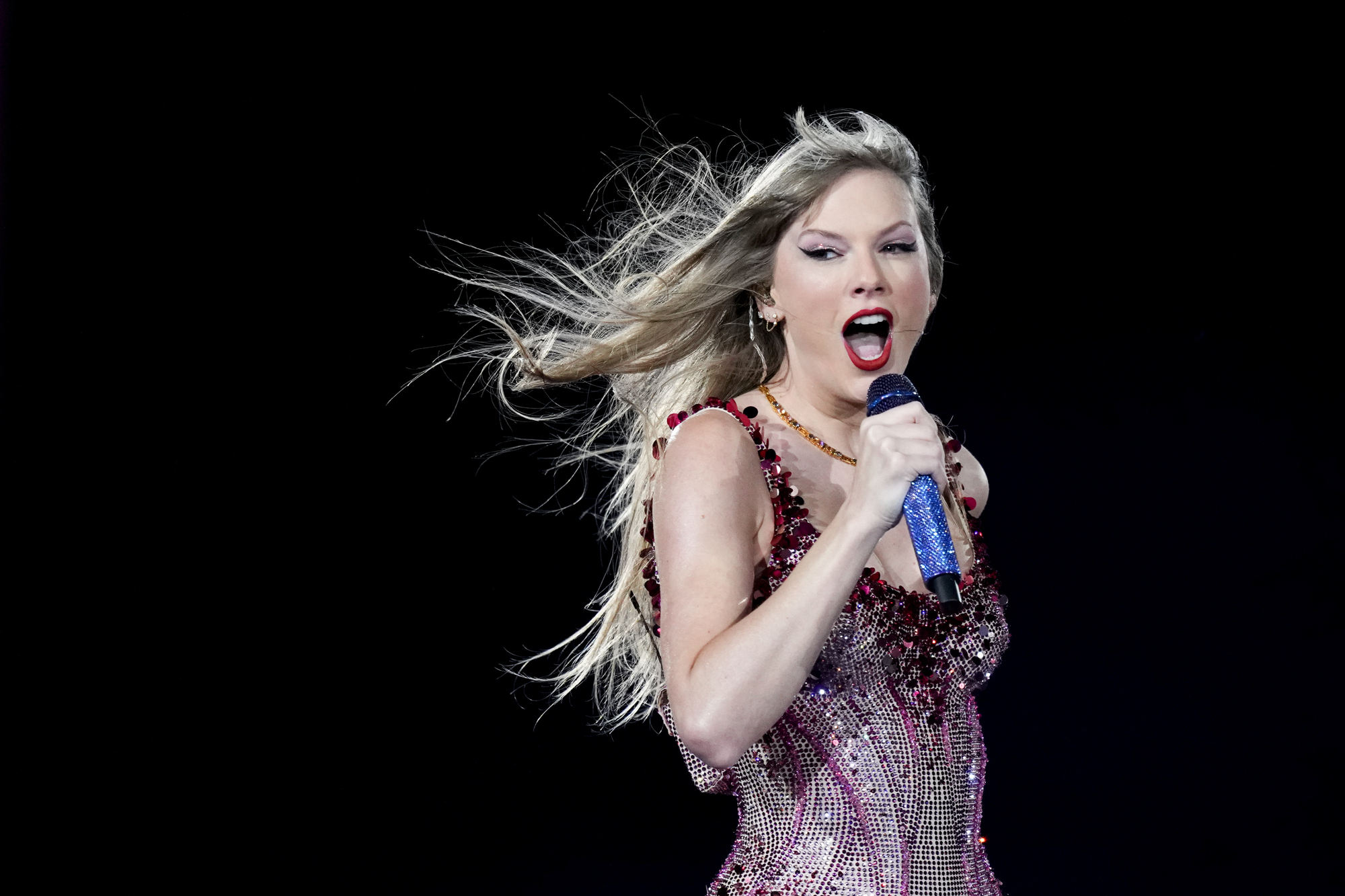
The huge demand last July when Taylor Swift and Coldplay tickets went on sale saw a €50m surge in card spending by Irish consumers.
Between groceries and taxis, cocktails and museums, Irish consumers spent just under €80bn on their debit and credit cards last year.
Spending data from the Central Bank of Ireland offers a glimpse into the habits of Irish people including more than €2bn spent last year in pubs, €3.6bn in cafes and restaurants, €705m on concerts, right down to €149m at the cinema.
The Central Bank has provided monthly data on card spending which is broken down by various sectors including retail, transport and financial services. Following a request from the , new data for last year provides greater granularity on card spending on various sub-sectors broken down monthly.
The data highlights the huge dominance of grocery spending in supermarkets as the largest single spending sector followed by spending on fuel in filling stations. However, the data also reveals continued high spending on entertainment and leisure including €3.1bn on hotels, €2.3bn on packaged holidays and tours, and €1.74bn on lottery tickets and gambling.
The data from the Central Bank relates to credit and debit cards issued to Irish resident households only. The figures are not broken down between debit and credit cards. The figures does not include cash which continues to play a significant part in consumer spending. A further €13bn was withdrawn by Irish consumers at ATMs or in cashback till transactions.
The data shows more than €16bn was spent by Irish consumers while abroad or with foreign-based firms. This includes €1.3bn on hotels, just under €1bn in restaurants and €250m in bars. Broken down by online spending, the data shows holidays booked through tour operators saw the biggest spending at €2.1bn followed by airlines with €1.9bn.
Grocery shopping remains the biggest single spending category for Irish consumers by a significant margin.
We spent €12.27bn last year in supermarkets which is more than three times the second largest category of spend in filling stations (€3.69bn). Except for three months in early 2023, the average monthly card spending on groceries surpassed €1bn and peaked in December at €1.25bn.

The cost of living crisis in recent years has focused on food and energy prices both of which saw significant surges in prices in the wake of the Russian invasion of Ukraine. While wholesale energy prices have fallen back sharply, food inflation has remained above the Analysis by Kantar, who monitor grocery prices and spending and includes cash spending, shows spending in supermarkets in Ireland last year rose by 9% compared to 2022. In their December report, Emer Healy of Kantar said grocery price inflation remains the driving factor behind the increase in sales as opposed to increased purchasing by Irish consumers.
Many supermarkets have expanded their ranges beyond food items and include off-license, household goods and fashion items.
In December Kantar also found the five largest supermarkets in the Republic — Dunnes, Tesco, SuperValu, Lidl and Aldi — increased their grip on the key Christmas trading period and accounted for well over 92% of all grocery sales in the run-up to December 25.
Grocery prices have continued to increase into 2024 while the pace of inflation has moderated considerably. Kantar’s most recent report for February shows food prices were 4.7% above the previous year. Ms Healy said inflation levels have now reached their lowest since April 2022 with a gradual decline expected to continue throughout the rest of the year.
Despite the levels of inflation reducing, consumers are continuing to manage their household budgets with own-label goods continuing to grow strongly.
“We saw this behaviour over the course of 2023 and it’s clear to see this is now a more established norm for shoppers into 2024,” Ms Healy said.
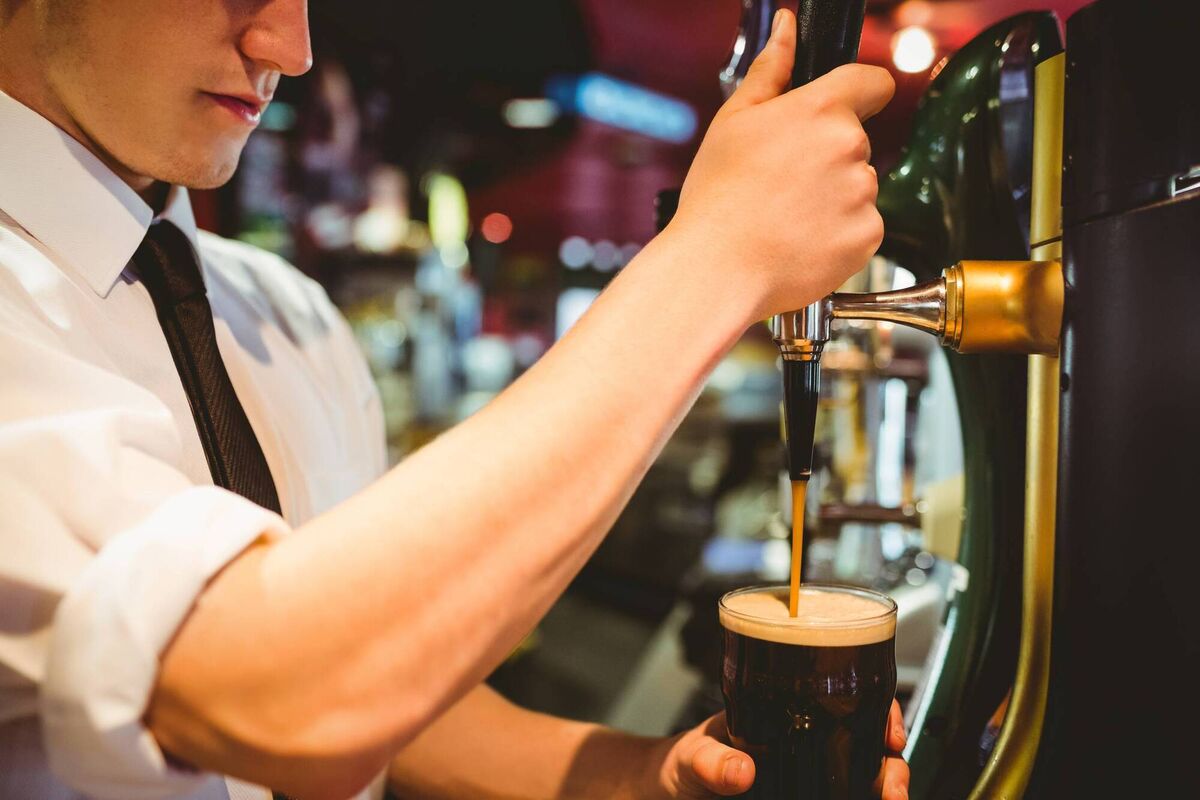
The spending data shows Irish consumers spent more than €2.1bn in pubs, bars and nightclubs last year with December and the run-up to Christmas again proving to be the busiest month of the year. In December, just under €243m was spent in bars highlighting the venues' continued popularity for Christmas meet-ups and get-togethers.
A New Year hangover was evident in the figures with January 2023 seeing a spend of just €108m the lowest in the year. After December the summer months of June, July and August saw monthly spending of around €200m. However, across these summer months, approximately €30m per month was spent by Irish consumers in bars while they were abroad.
Based on the spending data and the number of card transactions the average cost of a round of drinks ranges from €17.04 in October to €18.62 in January.
July of 2023 was noted as one of the wettest in recent years with Met Eireann reporting significant rainfall and reduced sunshine hours. Despite this, the month still saw the largest spend by consumers in restaurants and dining out with more than €362m spent. However, almost a third of this spending (€125m) took place abroad by Irish consumers, unsurprising given the demand for foreign holidays during the summer months. The months of June, July and August all saw Irish cardholders spending more than €100m each month in restaurants in foreign countries.
The total card spending for the year of €3.6bn includes spending in restaurants and cafes. Domestically, December was the peak month for restaurant spending in Ireland with €285m spent followed by August with €240m. Based on the number of card transactions, the average spending in this category ranged from €20.17 in March and November up to €24.14 in December. 2023 also saw the VAT rate for restaurants increase in September which would have impacted spending data.
A significant portion of Irish consumer spending on entertainment went on concerts, gigs and theatre productions. Last year we spent more than €705m highlighting the continued attraction of live entertainment.
The monthly spend on such entertainment July was a remarkable month for concert sales, as tickets went on sale for the Irish gigs of Taylor Swift and Coldplay, two of the world’s biggest music acts in the world.
July 20 saw a repeat of a phenomenon that has been repeated across the world when unprecedented demand was seen for tickets for one of three Taylor Swift concerts in the Aviva in Dublin this year. All three gigs sold out rapidly.
Just days later tickets also went on sale for Coldplay’s four concerts in Croke Park Dublin later this year. Demand was similarly big with all gigs selling out in a matter of hours.
The impact of the two concert series can be seen in the card spending figure.
The month previously, Irish consumers spent €55m in this category. For July, the figure almost doubled to €101m. In August, it fell back to €49m. It wasn’t until November that spending on concerts and theatre approached anything close to July when €86m was spent.
CONNECT WITH US TODAY



Be the first to know the latest news and updates