'We don’t know what summer will be like': hospitality businesses face uncertain future
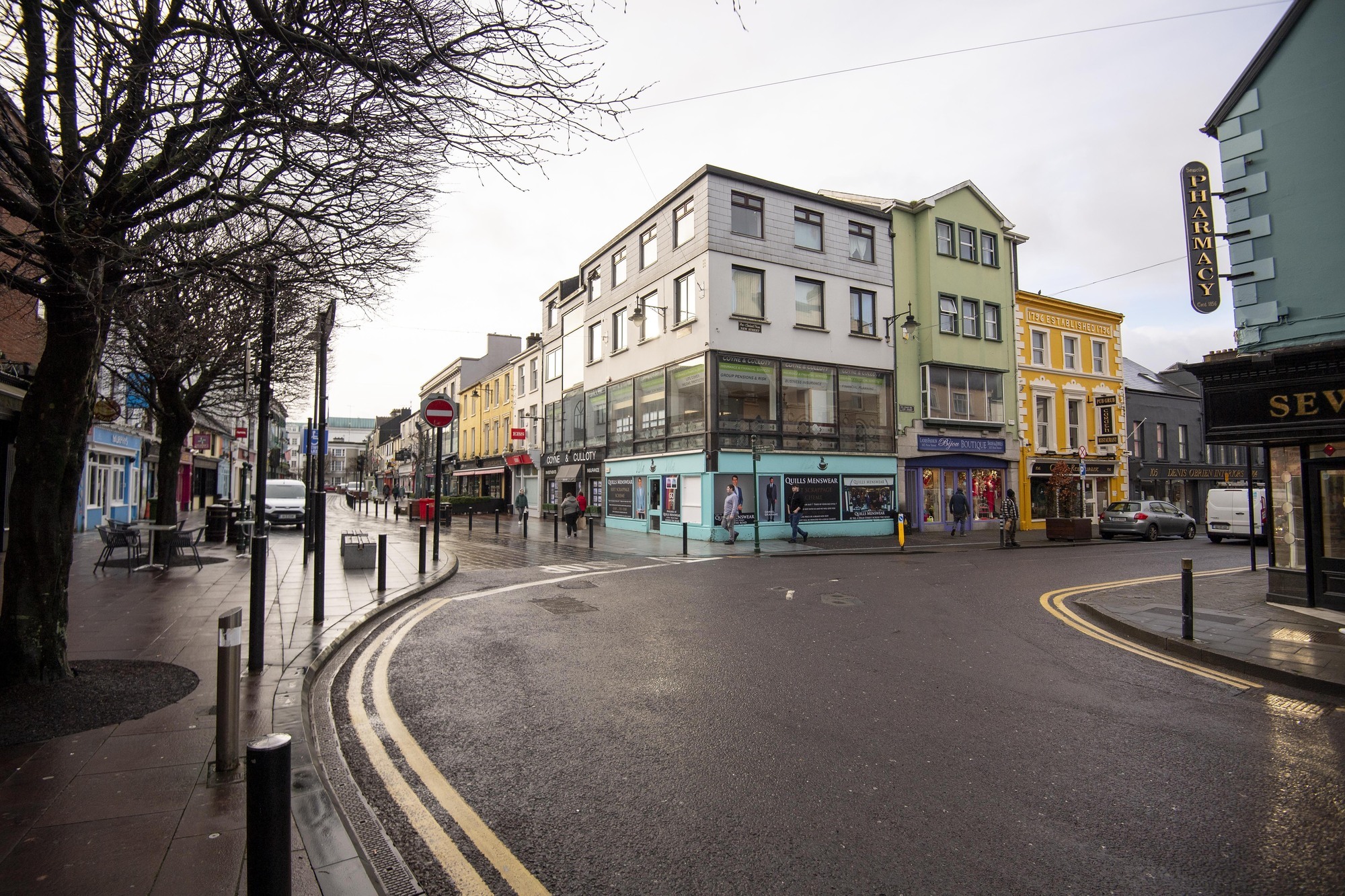
Wild Cafe, which was previously the Underground Restaurant, is among the recent wave of closures to hit Killarney. Garrets restaurant in the town closed at the start of January due to the 'unprecedented shortage of qualified chefs', while Celtic Donuts is also among the other businesses that have recently been shuttered. Picture: Don MacMonagle
K-Town, a Killarney-based eatery co-owned by Kerry footballer Kieran O'Leary, will soon shut its doors.
No jobs are set to be affected by the latest closure and Mr O'Leary is in talks to open a new venue in the town while also significantly investing in his other business, a pub a short distance from K-Town called Corkerys.

It is understood Mr O'Leary decided not to renew his lease for the current location of K-Town due to costs, and while he is looking at other opportunities, others in Killarney have not been so lucky.
A wave of closures has dampened the town’s vibrant atmosphere of shops, cafes and restaurants, as operators struggle to overcome challenges including labour shortages, rents and other costs.
Garrets restaurant in the town closed at the start of January due to the “unprecedented shortage of qualified chefs”, while Celtic Donuts is also among the other businesses that have recently been shuttered.
The bohemian town is filled with a variety of businesses, including a shop that only sells quirky rubber ducks, a French patisserie and a 125-year-old pub that prides itself as one of the few businesses that keeps its Christmas decorations up the longest in the town. And, although it thrives off the spending power of tourists, locals do their best to keep the town in business.
On a mild Thursday afternoon in mid-February, Killarney’s car parks were filled and the streets were lined with people shuffling into independent businesses to grab brunch, coffees and, in some cases, early pints.

However, domestic spending activity in the town has yet to recover as costs continue to put pressure on consumers, according to Ivana Krizan, manager of Luna cafe in Killarney, further dampening business viability.
“There’s not as much spending or people going around just for the fun of it,” she said.
“We don’t know what summer will be like, we don’t know what to expect,” she added.
The challenges facing one of Ireland’s most attractive destinations for locals and tourists is a bad omen for business in other parts of Ireland, who may be in for a rough ride.
The owners of Baker Boys, a popular café in Sligo, recently announced they had “come to the end of the road” after five years of trading.
“When you get squeezed from every angle, Government, staff wages, staff shortages and high food costs, it squeezes the joy out of it,” said Myles Lamberth, Baker Boys owner.
Mr Lamberth still operates another cafe with his wife Jane called Shells, but when it came to Baker Boys he said “in the end we lost the joy, it was just too hard to keep fighting”.
Sligo-based Andersons Grill & Bar also announced earlier this month that it will permanently be shuttered.
Elsewhere, the owners of Top Nosh restaurant in Shannon have closed their doors.
These closures are just a few that have been announced in recent weeks and indicate high costs are pushing small business owners close to or over the edge, especially as they were operating on historically razor-thin margins.
“It’s really sad to see so many closures. I think it’s very competitive at the moment and there’s a lot of high costs affecting them,” said Hazel O’Malley, owner of Hazels Nuts About Vintage clothes shop nestled in a Killarney alleyway.
Hospitality is certainly not the only sector exposed to the high cost of doing business, with retailers also trying to strike the balance of making a profit in the current environment while also keeping customers.
“The cost for us is going up all the time, but we’re trying our best to keep prices competitive,” said Ms O’Malley.
Lobby groups have used the closures to argue for the return of the 9% Vat rate that was introduced during the pandemic to help hospitality, but was returned to the pre-covid rate of 13.5% last year.
Johnny McGuire, co-owner of Bricín Restaurant and co-president of Killarney Chamber of Commerce, is among those arguing for a reduction in Vat but added the current trading environment was “almost like springtime in the garden” and as unviable businesses continue to close “green roots are starting to shoot up” and new ones will take their place in the summer.
“Derelict shops really bring down a whole place but we are fortunate in Killarney,” said Mr McGuire, adding that he is already aware of vacant premises that have been snapped up by new independent business owners.
However, “nobody’s going to be opening a place now while there’s not a lot of business in the town”, he said.
Aiden Murphy of Crowe Ireland, who has advised pubs and restaurants for more than 25 years, said he expected many of these businesses that were struggling to stay viable were operating at a net profit of about 10% to 12% and the new Vat rate puts a severe dent in profit as it needs to be paid to the exchequer.
Finance Minister Michael McGrath recently said he would not revisit the contentious Vat rate, but said he remained focused on providing tax debt warehousing flexibility and towards the end of last year said the Government was focused on increasing consumer spending, which he said would eventually help businesses offset any further rising costs.
The interest rate applicable to warehoused debt has since been cut down to 0% and Revenue has confirmed it will operate the reduced rate on an administrative basis pending the legislative change. It also confirmed that, where a business has already paid warehoused debt which was subject to interest at 3%, it will get a refund of that interest.
This move was largely welcomed by tourism and hospitality operators, but for some, it came too late and was a significant reason why many firms shut up shop for the final time.
Mr Murphy said warehousing rules meant businesses prioritised paying Vat and PAYE on time throughout 2023, which could have led to other bills racking up.
“So there’s been a build-up for supplier credit because they couldn’t risk not paying Revenue on an ongoing basis,” he said.
“We’ve come into the low point of the year for these businesses,” he said, echoing Mr McGuire’s comments on going through the winter before the spring for hospitality.
About 58,000 individual customers were availing of the Debt Warehouse Scheme by the end of January, with a balance of almost €2bn outstanding. Almost 70% of those customers have warehoused debt of less than €5,000.
Mr Murphy said the changes to the scheme would provide hope to hospitality businesses but there is still a “huge amount of uncertainty in terms of business flows now”, as working habits have changed, leading to decreased consumer footfall as well as lingering cost pressures.
Mr Murphy said he expected more smaller operators would close down and “restaurants with larger formats take their place in prime locations”, leading to less choice for the consumer.
This dark period is likely to promote consolidation and innovation in the hospitality sector though, said Mr Murphy. He noted many businesses adapted during the pandemic years.
He added the difficult trading environment would also “drive a restructuring whereby business owners want to move it forward but need investment”.
The Small Company Administrative Rescue Process, or Scarp, has been increasingly being used by businesses since it was introduced during the pandemic.
Figures from Deloitte showed 663 insolvencies went through this process last year, helping viable businesses survive.
Insolvencies in the hospitality sector jumped by more than 60% to a total of 99 last year, according to the professional services firm.
Lobby groups have raised concerns the number of refugees Ireland accommodated through lucrative State contracts with hotels will put hospitality under pressure going into the key summer months, as there will be fewer tourists in hotel rooms and therefore less spending in the local economy.
However, the main issue voiced among local hospitality businesses has by and large been the uncontrollable cost of doing business, including volatile rents.
Many small business owners, including Ms O’Malley, remain optimistic about trade this year though.
“I think people are supporting small businesses and hopefully that continues into the summer,” she said.
“I think it’s important we encourage unusual and alternative businesses that are different so we can attract more people down here,” she added.