John Whelan: Restrictions on business visas are harming Irish firms
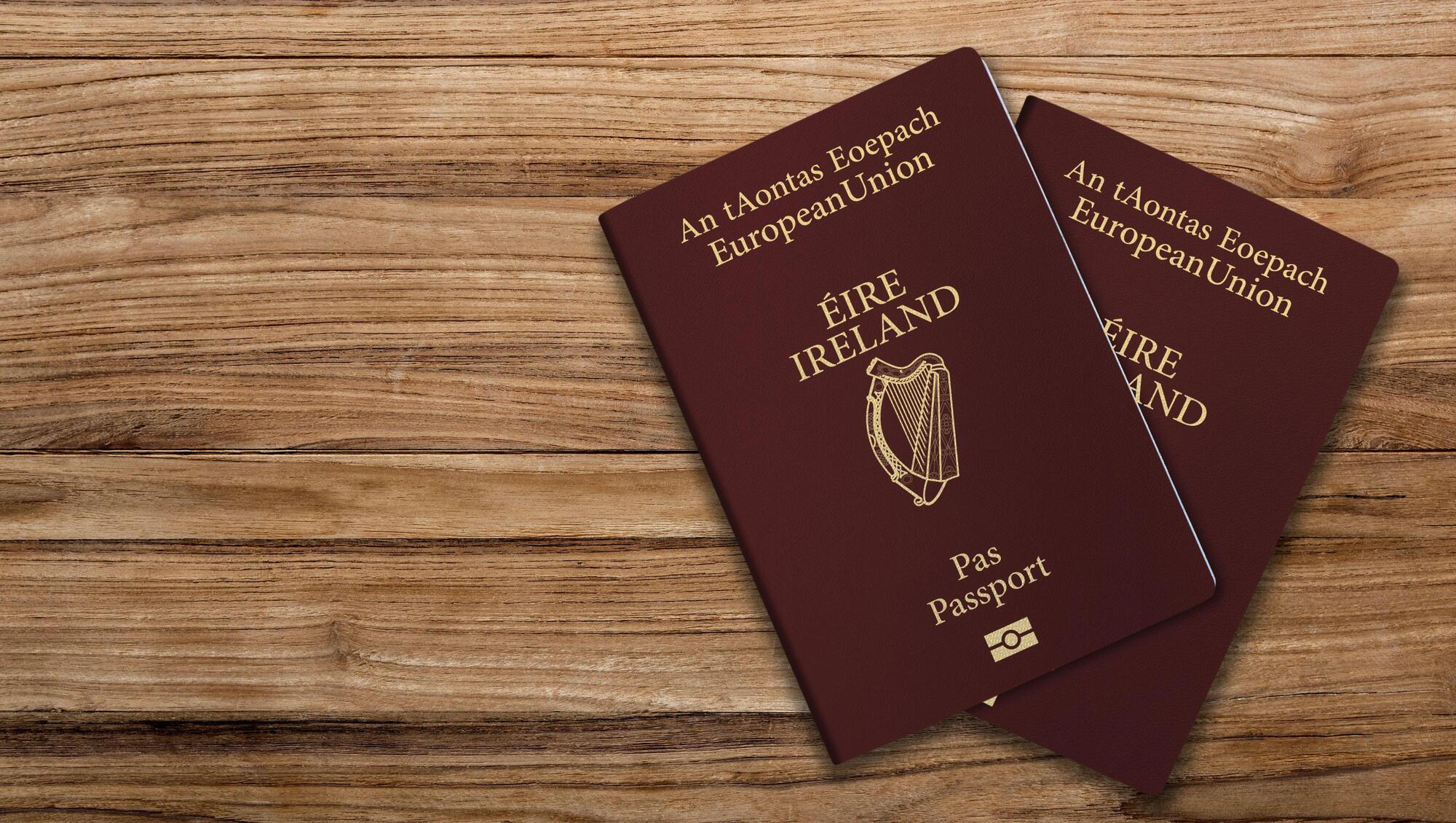
Obstacles to global services trade, such as the delays in issuing visas to enable a foreign business traveller to get to Ireland to close a deal, or for foreign technicians to repair a piece of high-tech equipment, have long been ignored, Irish industry sources tell me.

Ireland lost competitiveness in terms of supporting Irish businesses last year, the OECD has said in a report that targets much criticism at the Government's regulations over granting work visas.
The report, the Services Trade Restrictiveness Index, from the Paris-based Organisation for Economic Co-operation and Development, points to increased restrictions in a number of areas, but in the issuing of business visas in particular.
The report details the significant increase in the processing time — from 10 to 15 days in the past 12 months — that it takes to get the paperwork approved, with the knock-on effect on delaying business travellers across the important services sector of the economy.
Obstacles to global services trade, such as the delays in issuing visas to enable a foreign business traveller to get to Ireland to close a deal, or for foreign technicians to repair a piece of high-tech equipment, have long been ignored, Irish industry sources tell me.
The OECD report supports the complaints. It points the finger at national trade and regulatory policies in individual services sectors that are often put in place with limited regard for the fallout on the way companies work in the real world.
The fact that Ireland has fallen below the average of OECD countries is partly attributed to restrictions on foreign entry, compared to the best performers globally. Restrictive measures such as residency requirements for board members, commercial presence requirements for cross-border services, and EU data transfer restrictions on cross-border digital services are mentioned as contributory factors in Ireland’s poor rating.
Ryanair boss Michael O Leary may feel vindicated as the OECD report also signals out air transport as one of the most restrictive parts of the global services economy.
One example is the obligation placed on Ireland from EU regulations that prevent non-EU nationals from owning more than a 49% stake in local airlines. Irish-based foreign-owned airline leasing giants have been caught out by restrictions placed on assembling aircrew recruits from outside the EU unless there is a reciprocal agreement in place.
Japan, Spain, and the UK perhaps surprisingly, are the top performers in the OECD index, indicating the lowest levels of regulatory barriers.
Since Brexit, the British government has put a tight focus on freeing up the financial services in particular from regulatory restraints, in the hope of getting some sort of gain from leaving the EU. In this case, it appears to have worked.
Services such as information industries, education, culture as well as finance accounted for a record share of Britain’s exports in 2023, highlighting their growing economic importance, despite politicians continuing to focus on the effects of goods exports from Brexit for the British.
It appears that Ireland’s bad services industry rating in the OECD report has extended into 2024.
Conscious of the likelihood of comparing apples with oranges, there is also bad news feeding in from the latest global purchasing managers' index survey.
On one hand, it shows that the global composite services index rose for the third consecutive month in January, reaching its highest level since June last year. However, the index plummeted in the case of Ireland and Germany.
The falling index is important because the service sector index is driven by six components, most notably by new export orders and output prices.
The indicators are worrying. The rising services trade restrictiveness in Ireland has now likely fed into reduced confidence by companies working in Irish industry, in terms of their expectations for growing export sales.
Open and well-regulated services markets are critical to Ireland’s ongoing success. They will ensure access to information, skills, technology, funding, and to markets, in a modern, and increasingly digital economy.
Continuing Ireland’s success in this sector will require the Government to assist indigenous companies to move up the value chain. Success on that score will depend on the local business services sector to be open to ideas, skills, and investment from cutting-edge firms wherever they may be found. At a minimum, the fast availability of visas for incoming business people, technicians, and suppliers is essential.
Services industries already account for over three-quarters of employment in Ireland. They have more than trebled over the past decade to €340bn, ratcheting Ireland up to the much-envied position of the fourth-largest services exporter in the world, behind the US, UK, and Germany.
But continuing success is far from inevitable. There are many other international locations competing for this growing part of global trade. They are eager to eat our breakfast.


CONNECT WITH US TODAY



Be the first to know the latest news and updates