ECB needs assurance on inflation before any rate cut, says Lane
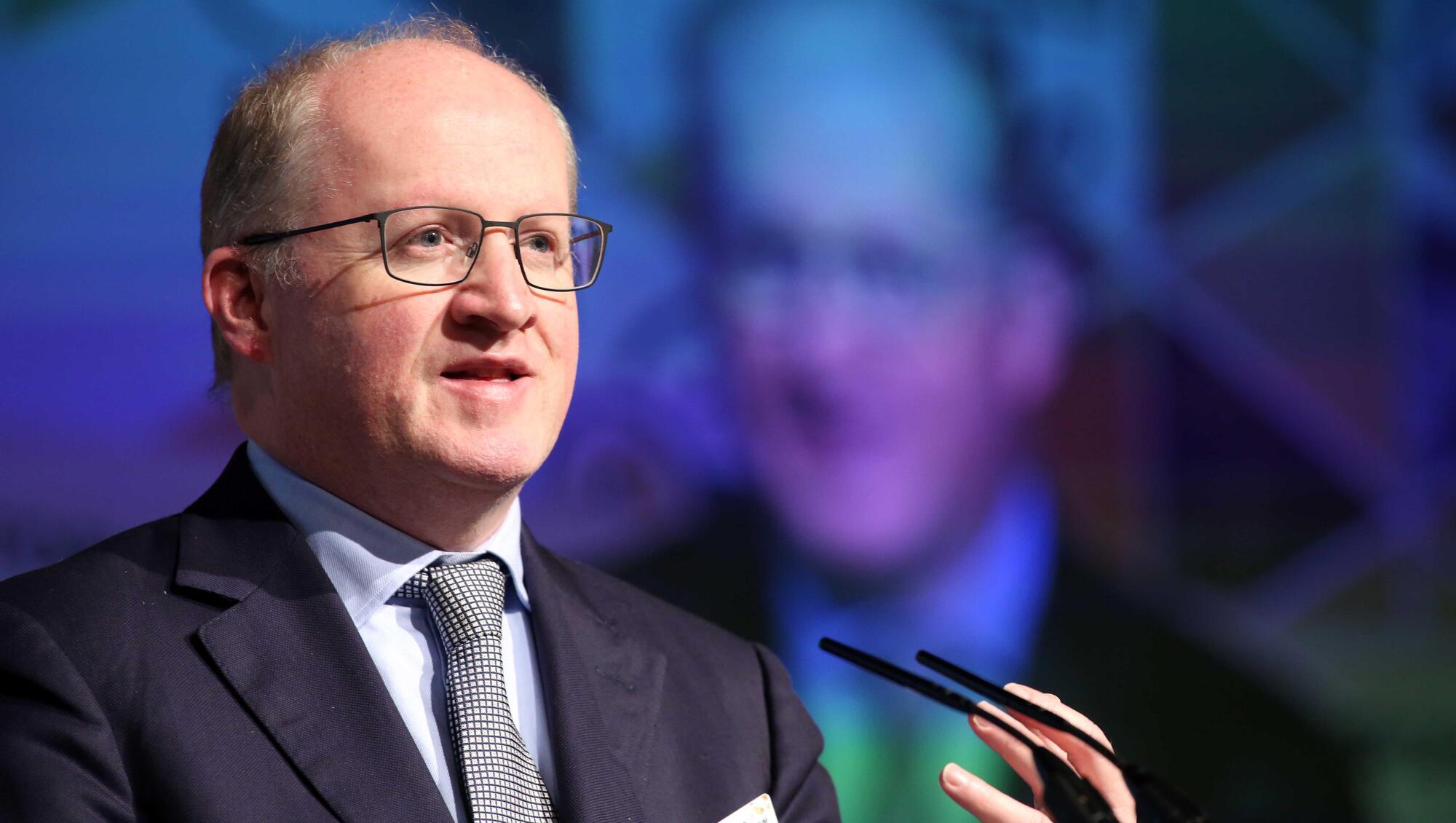
'We need to be further along in the disinflation process,' says Philip Lane. Picture: Sam Boal
The European Central Bank requires more assurance that inflation is returning to its target in order for policymakers to be able to lower interest rates, according to chief economist Philip Lane.
Signalling again that he prefers not to rush policy easing, Mr Lane said in a speech that while the disinflation process may be unfolding more quickly than anticipated at the moment, the medium-term outlook is less clear.
“In terms of an overall evaluation of our policy trajectory, we need to be further along in the disinflation process before we can be sufficiently confident that inflation will hit the target in a timely manner and settle at target sustainably,” Mr Lane, a former governor at the Central Bank of Ireland, said at the Brookings Institution in Washington.
ECB officials are increasingly confident that inflation is heading back to 2% and are gearing up to start lowering rates later this year. Some are signalling a first cut is possible in April — an outcome investors are leaning toward. Others are looking at the following meeting, in June, by which time they will have seen crucial wage data.
Earlier this week, ECB executive board member Isabel Schnabel urged policymakers to be “patient and cautious”.

In an interview with the Financial Times she warned against premature action in light of stubborn services inflation, a resilient labour market, a loosening of financial conditions and tensions in the Red Sea. Price growth in the eurozone was somewhat stronger than expected at the start of the year — cooling to 2.8% from 2.9% in December.
Meanwhile, the eurozone economy narrowly avoided a recession in the latter half of 2023. Speaking earlier in the day, ECB governing council member Pierre Wunsch had a similar view to Mr Lane, preferring to wait for more data before deciding to start cutting rates.
Mr Lane said the ECB’s decisions on borrowing costs must carefully weigh opposing risk factors.
Markets in recent weeks have tempered their expectations for an early rate cut, but nonetheless are still looking towards key dates in March, April, or May when the ECB will have a slew of new forecasts and data on underlying inflation pressures in the eurozone.
Last week, Central Bank governor Gabriel Makhlouf, in an interview with the 'Irish Examiner', said financial markets had for a while “been running away with themselves”, in terms of the timing of any early interest rate cut. Asked what conditions would need to apply for him to cast his vote for a rate cut before the summer, the governor said that he would want to see evidence about the labour market and “what is happening to wages”.
“What we are seeing is that core inflation — that’s headline inflation minus energy and food — actually is a little stickier and has not moved as much as ideally we would have liked, but headline [inflation] is definitely falling,” Mr Makhlouf said in the interview.
- Bloomberg and
CONNECT WITH US TODAY



Be the first to know the latest news and updates