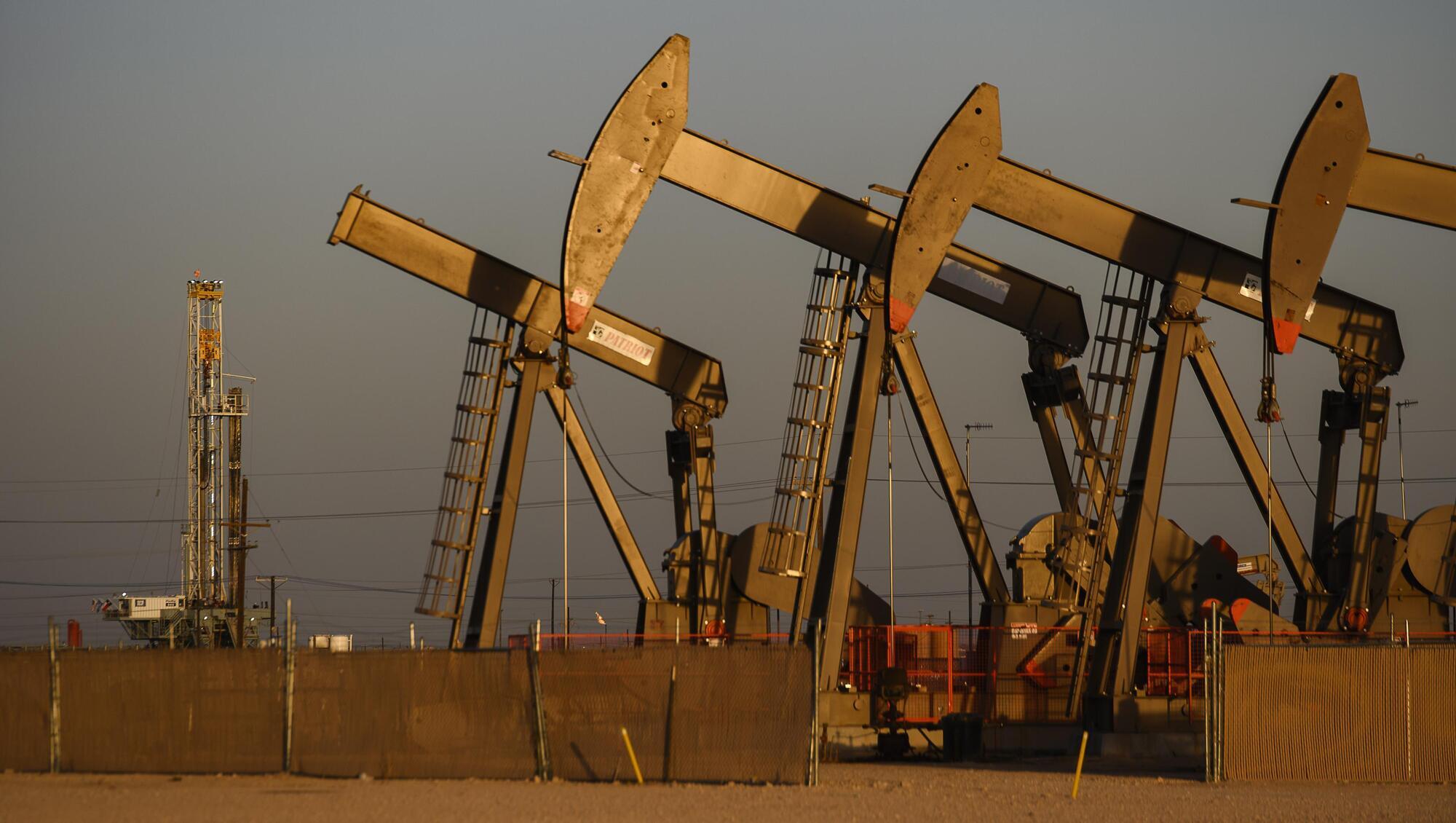
Supply is back in the driver’s seat for global oil markets this year. At issue is rising crude production from non-Opec+ nations including the US, which could outstrip global demand that’s still growing but at a slower pace. The oil cartel’s response has been to pledge deeper output cuts, but traders are sceptical they will be sufficiently implemented to fully eliminate a surplus.
The combination has already pushed crude to its first annual decline since 2020, upending expectations of higher prices stemming from a post-pandemic recovery.
Complicating the picture further, speculators have tightened their grip on the market, fuelling price swings that are sometimes divorced from fundamentals.
Looking ahead “further than a quarter seems very difficult to me”, said Trevor Woods, chief investment officer of commodities fund Northern Trace Capital. “This year coming up is a tricky, tricky year.”
Oil is relying heavily on the Organisation of the Petroleum Exporting Countries and allies for support, and a collapse in the group’s earlier agreement to curb supply could send prices crashing, he said.
There is weakness coming through in multiple indicators and speculators in 2023 were the most bearish they have been on oil in over a decade. Net-long positions held by non-commercial players stand at the lowest in records dating back to 2011, according to data compiled by Bloomberg.
Speculators will need some convincing before deciding to turn decisively long on oil this year. Commodity hedge funds saw returns slump last year to the lowest since 2019, while raw-material prices logged their first decline in five years, according to Bloomberg indices.
Notably, oil trader Pierre Andurand’s eponymous hedge fund was headed for its worst loss on record.
Oil prices rise
Meanwhile, global oil prices rose by $1 a barrel after reports of disruption to Libya’s top oilfield added to supply concerns emanating from tensions in the Red
Sea. Brent crude was up 1.5% at $77.30 a barrel. Protests have forced a partial reduction in output at Libya’s 300,000 barrel-per-day Sharara oilfield, engineers said.
“The Sharara shutdown certainly adds to pricing upside, especially of Brent”, said Viktor Katona from Kpler, who assessed the disruption as likely short-lived.
Oil prices had climbed around $2 earlier this week after attacks on vessels in the Red Sea by Houthi fighters.
The Yemeni group said yesterday it had targeted a container ship bound for Israel, a day after the US said the Houthis had fired two
anti-ship ballistic missiles in the southern Red Sea.
Israeli forces intensified their bombing of the Gaza Strip, after the war stretched into Lebanon with the killing in Beirut of Hamas’s deputy leader.
A wider conflict could close crucial waterways for oil transportation and disrupt trade flows.
Expectations of ample oil supply in the first half of this year have contained prices ahead of Opec+ plans to hold a meeting of its joint ministerial committee in early February.
The market’s focus will return to the demand side and whether central banks can deliver the soft landing they have aimed for, said Oanda analyst Craig Erlam.
“Any outperformance for the global economy would ease the burden on Opec+ at a time when compliance with quotas looks like it’s going to be a struggle,” he said.
Bloomberg and Reuters

Subscribe to access all of the Irish Examiner.
Try unlimited access from only €1.50 a week
Already a subscriber? Sign in
CONNECT WITH US TODAY
Be the first to know the latest news and updates