Home completions to exceed 32,000 next year but affordability will remain an issue
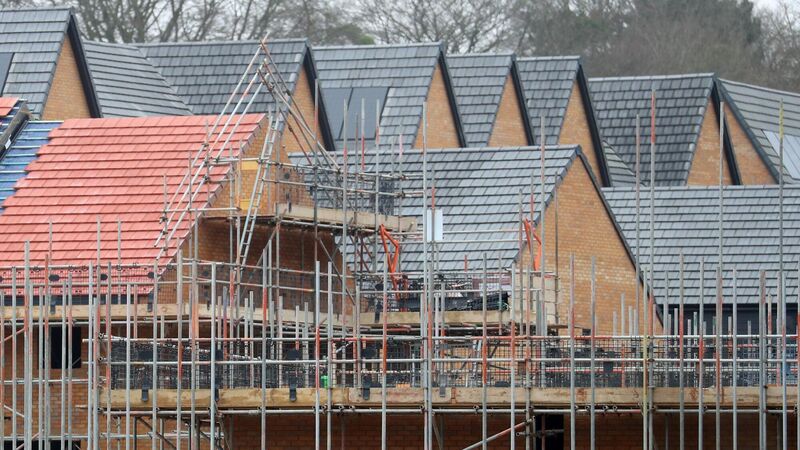
Affordability is expected to remain an issue for prospective purchasers next year as construction costs increase. Andrew Matthews/PA Wire
Housing completions are expected to increase to 32,000 next year but affordability issues will persist as construction costs continue to rise, a new report by the Banking and Payments Federation, Ireland (BPFI) has found.
According to the BPFI's latest housing monitor for July through September, housing starts during the first 10 months of this year are trending 17% higher compared to the same period in 2022.
In the year to the end of September, there were almost 31,600 homes completed, up from the 27,500 the year prior.
However, while there has been an increasing number of completions, a recent report by the International Monetary Fund suggests that output would need to double to meet EU averages.
Dr Ali Uğur, chief economist with the BPFI, said approximately 37,600 homes have been granted planning permission in the year to the end of September.
“The increase in housing output has helped to moderate average annual housing price inflation,” he said.
However, construction costs will continue to be a major issue for firms and households looking to buy. As of the end of September, costs are 23% higher than they were at the end of 2019.
Dr Ali Uğur added that it will be important to monitor cost challenges in the sector while building more homes so that “better affordability can be provided for potential home buyers”.
As of the end of September, the average residential property prices increased by 1.4% over the year. Annual house price inflation was running at 10.8% during the previous year.
Prices for new dwellings were up 10.4% year on year, while prices of existing dwellings were 1% lower.
The BPFI said mortgage activity has remained “resilient” despite rising interest rates during the year with 52,000 mortgage approvals worth a combined value of €14.7bn.
Mortgage drawdowns during the July to September period is down 22% year-on-year but the BPFI said this was mainly due to the significant decline in switching activity.
However, there were over 7,000 first-time buyer mortgages drawn down during the third quarter.
A recent report by the IMF said increasing housing stock by 30,000 units a year would bring the number of homes per thousand people from its current level of 415 to 437 by 2030 — the level seen in 2011.
To reach the EU average of 495 by 2030, annual completions would need to be at least 60,000 units per year.
CONNECT WITH US TODAY



Be the first to know the latest news and updates