Inclusive workplaces — a lot done, more to do

The European Disability Forum’s ‘Right to Work’ report found that only 51.3% of active, working-age people with disabilities in the EU are in paid employment. This situation is at its worst in Ireland and Greece, with only 32.6% of that cohort being in employment.
In a world in which equality and human rights are increasingly under threat, it’s easy to lose sight of the hard facts. By doing this, we further fail the multitudes whose lives are already being negatively impacted.
While it can be difficult to comprehensively contemplate an issue so vast, it can help to dwell on just one hard fact at a time. 47% of people with disabilities in the EU cannot pay their bills. Once you know that, you can’t unknow it. We owe this much at least to everyone so impacted.
In the EU, the disability employment gap varies widely, with the average being 24.4%. To our shame, Ireland leads the pack here, with the gap being almost 40%.
Across the EU, only 51.3% of active, working-age people with disabilities are in paid employment. This situation is at its worst in Ireland and Greece, with only 32.6% of that cohort being in employment.
These are just some of the findings from the European Disability Forum’s ‘Right to Work’ report which was published in April of this year. Another is that less than 20% of women with disabilities are in full-time employment across the EU, with Ireland amongst the top 11 offending countries in this category.
Employers know that workers want to work for businesses that embrace their values. This is likely to be at least part of the reason why it has become commonplace for organisations to actively promote their ‘greenness,’ in response to workers’ environmental concerns. We see this every day.
Fewer, alas, are being seen to promote their devotion to ED&I. But it’s only a matter of time before this changes, as in a competitive job market, employers have to listen carefully to what workers want.
That workers want EDI in the workplace was made apparent in a recent YouGov survey, in which 66% of UK workers said the acceptance and inclusion of employees from all backgrounds is important to them when searching for jobs.
Capgemini is one of an increasing number of organisations that is embracing ED&I in the workplace. As a result they are experiencing ‘an increasing interest in working with them, from talent for whom this important equality stance matters.’ Sogeti Ireland is part of the Capgemini group.
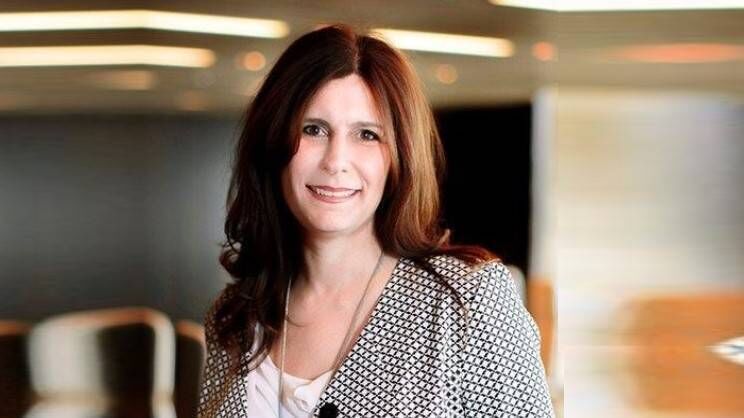
Of the benefits of being known as an inclusive organisation, Andrea Metherell, Capgemini’s UK head of DEI and well-being, says: “At Capgemini, we benefit enormously from being known as an employer that values diversity and nurtures a working environment of trust, belonging and inclusion for all.
“In the last five years or so, applicants have become much more discerning with the choices they make. They actively favour organisations in which diverse perspectives, approaches, life experience and backgrounds are celebrated and in which everyone has the opportunity to thrive.”
On the Irish situation, Adrian Stewart, head of employability with the Rehab Group says: “Today more employers in Ireland are embracing and prioritising diversity and inclusivity to help their teams and companies succeed. Put simply, having a diverse and inclusive workforce makes good business sense.”
Stewart is well placed to make these observations, given that Rehab Enterprises, which is part of the Rehab Group, is one of the largest employers of people with disabilities in Ireland. “They operate a unique integrated model of employment, where employees with disabilities work alongside employees without disabilities across a number of sectors,” he says.
“They also champion and promote the employment of people with disabilities through an innovative Transitional Workforce Solution (TWS) of employment. TWS supports the person with a disability and the employer company, with end-to-end guidance and interventions, from a less formalised, friendlier, recruitment process, to providing employers with the confidence and knowledge to work with people with disabilities within their workforce.”
Stewart says that it goes without saying that the more you embrace inclusiveness, the more you can recruit from a larger talent pool.
“This is essential when considering Ireland's recent acute labour shortages,” he adds.
Pointing to the various initiatives in Ireland, including Elevate Pledge and Open Doors, he says that they seek to support companies to embrace diversity and inclusion as a key business strategy for unlocking potential. “At Rehab Group we work with a number of employers across the hospitality industry and also with employers including Mr. Price, Cook Medical and Gaelite.”
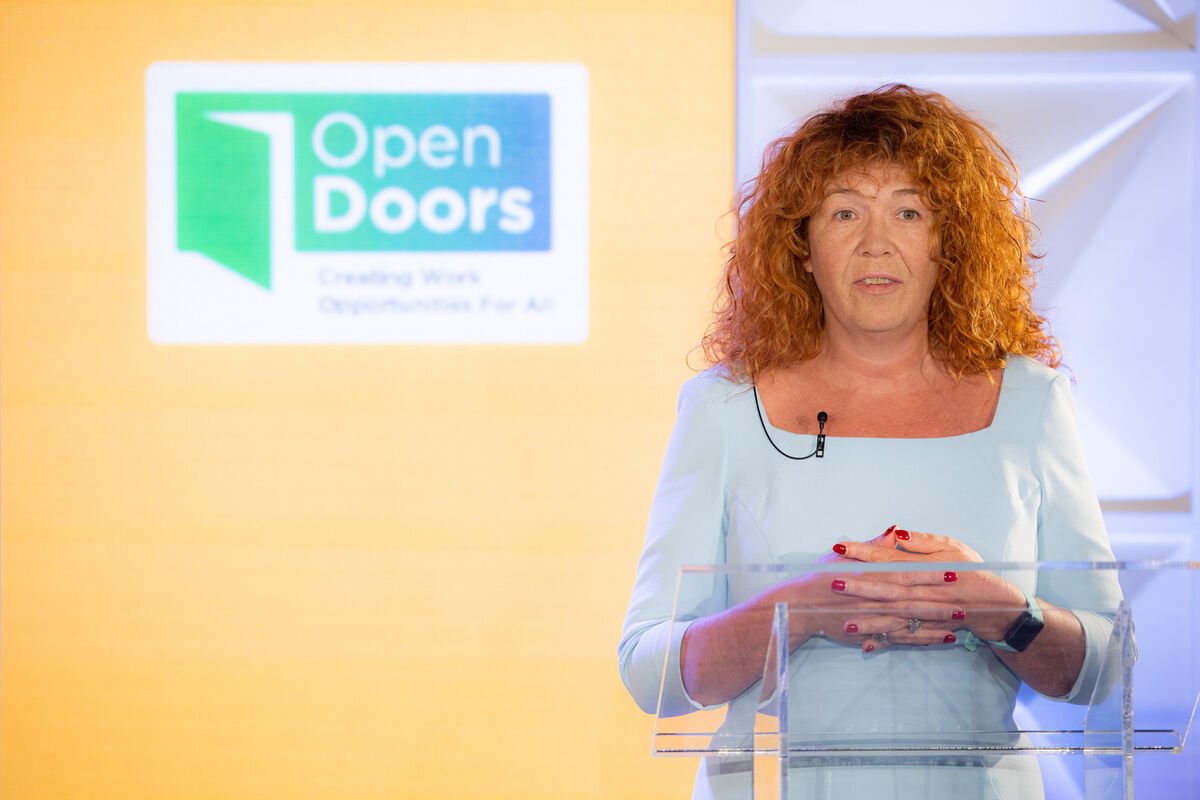
Discussing the companies that her organisation works with — companies that value embracing equality, inclusion and diversity — Jeanne McDonagh, Open Doors Initiative CEO, says: “The inclusive companies we work with, realise there is great untapped potential in working with underrepresented people, be they people with disabilities, refugees and migrants, members of the Travelling community and others who face barriers getting into work.”
Over at the Irish Wheelchair Association, Pamela Kavanagh says their having an ED&I policy helps in their retention of staff rather than recruitment. “People stay longer with us, she says. Our most recent staff survey on ED&I showed that 61% of staff felt that their unique background and identity was valued at IWA and 79.9% felt that IWA creates an environment where people with diverse backgrounds have equal opportunities to succeed within the organisation.”
Cope Foundation is also making a hugely positive impact in the ED&I sphere. Of the important work being done by its specialist employment service, Ability@Work, coordinator Marian Hennessy says: “It links young people with intellectual disabilities and or autism with local employers. The service supports employers to become more inclusive in their recruitment practices and helps and guides them through this process.”
“By employing someone with a disability, employers are building and retaining a team that best reflects the community around them. Employees with a disability add value to teams by bringing a range of skills, talents and abilities that the traditional workforce may not have.”
There is no doubt about the value brought. But still, many employers are reluctant to seek out and welcome in talent from this particular pool.
As for why that might be, Edward Crean, senior policy and public affairs advisor with the National Disability Authority (NDA) has much insight: “It is often due to potential employers being fearful that someone with a disability may not be able to do the job as well as someone without a disability,” he says.
“Also because they may believe that people with a disability would be absent more frequently than people without.” Elucidating on why these fears and beliefs are so often unfounded, he continues: “Employers of disabled people will often talk about the skills and creativity of those staff, about how their workplace is improved through the diversity they bring, and about how staff turnover is lower among these employees.”
Rehab Group’s Adrian Stewart says: “Research indicates that our poor record is in large part due to employers' limited exposure to employing people with disabilities. This leads to unconscious bias and a focus on disability, rather than the abilities and diversity that people can bring to the workplace.
Referring to the ‘many global studies’ which show that a diverse workforce is more creative, resilient and lateral thinking, Jeanne Mc Donagh says: “Diverse workforces impact positively on growth and income. At Open Door Initiatives our work with companies has reaped many real benefits both for the participants and the organisations themselves."
These are powerful truths, of the sort that should be widely known, so as to destroy the ignorance that stands in the way of employment equality for so many.
CONNECT WITH US TODAY



Be the first to know the latest news and updates