No late surge in corporation tax receipts, but November revenues set to calm nerves
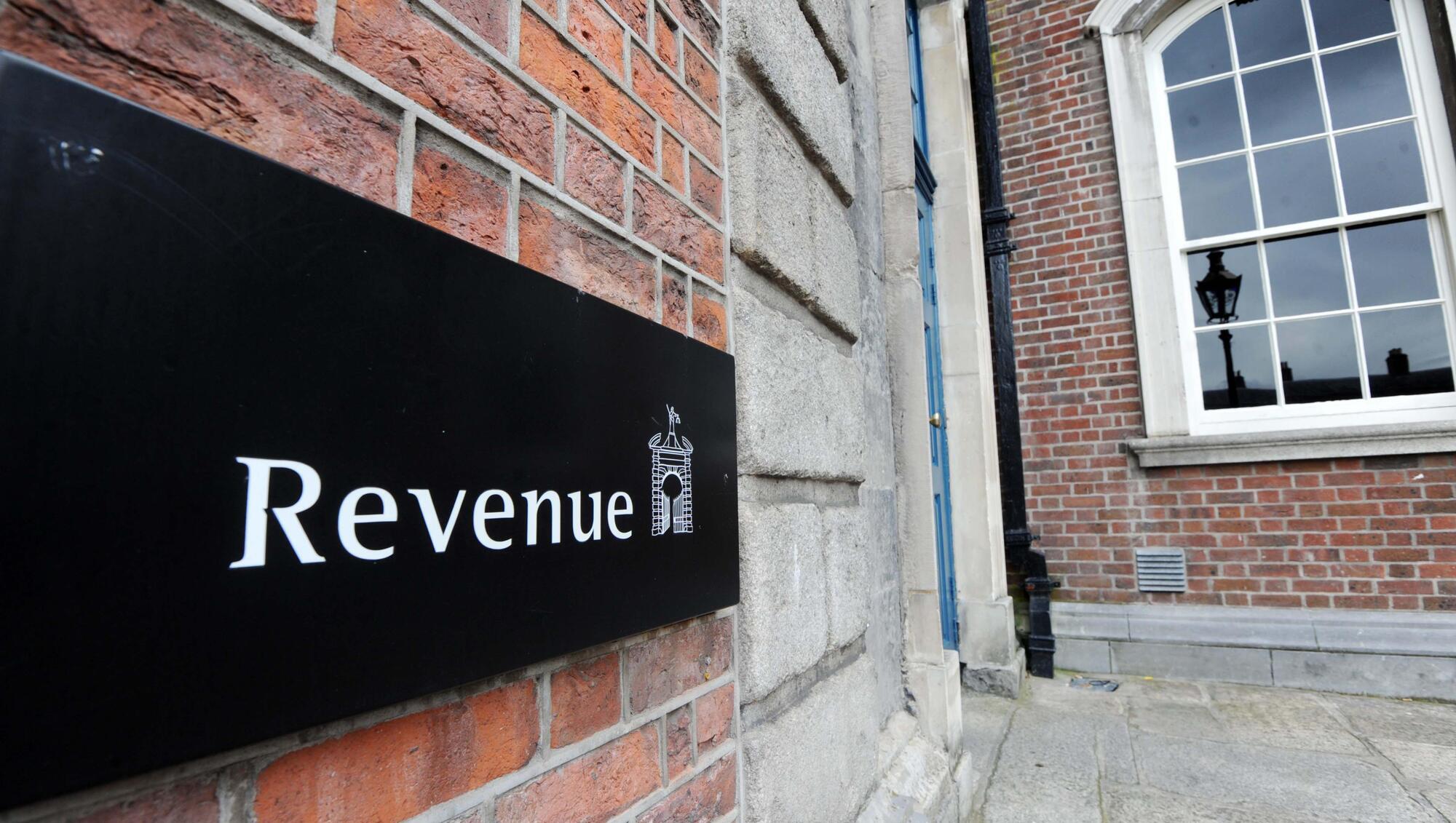
The Government and economists have signalled the inevitability for some sort of fall in the receipts from 2022 which had boomed from the payments made by pharma giants such as Pfizer and the big tech firms that had chosen to report parts of their global tax revenues and profits in Ireland.
There will be no late surge in corporation tax revenues this year, but increases in two other major tax sources will reassure the Government its budget plans for 2024 remain on track, the latest exchequer figures published on Tuesday will show.
The figures are keenly anticipated because November is when the Government collects an outsized share of all its annual revenues from just three major tax sources and again throw light on corporation tax receipts, which have have fallen far short of the bounty of 2022.
The exchequer figures will confirm a dramatic falloff in the amount collected in November from corporation taxes compared with the same month last year. That will mean the record haul of €22.6bn collected from corporate taxes in 2022 will not be matched this year.
However, Government insiders and independent economists believe there is no major threat looming to the engine of corporation tax revenues, even at a time when high levels of inflation and interest rates are choking growth in large economies and weighing on corporate earnings across Europe.
Figures published last month have already shown corporation tax receipts by the end of October had already brought in more than the €15.3bn collected for the whole of 2021,
The Government and economists have signalled the inevitability for some sort of fall in the receipts from 2022 which had boomed from the payments made by pharma giants such as Pfizer and the big tech firms that had chosen to report parts of their global tax revenues and profits in Ireland.
The €22.6bn paid in corporation taxes accounted for 27% of all tax revenues the Government took in last year, but an analysis published by the Department of Finance on budget day in October assessed there was no structural issues facing large pharma companies based in Ireland.
Multinationals pay significant chunks of their tax bills in the final few months of the year, and in November, in particular. November, however, is also a significant payment month for Vat and income tax revenues and Tuesday's exchequer figures will reassure that the domestic economy continues to grow.
Kieran McQuinn, economics professor at the Economic and Social Research Institute, said even if there were a big fall in November's figures, the corporation tax receipts would still exceed their 2021 levels.
The focus remains on the scale of any slowdown in pharma activity following the pandemic and the amounts they pay in corporation tax in Ireland in the future years.
Mr McQuinn said it was likely growth in pharma would moderate, but not by significant amounts.
"There is a change, clearly, in the tax take which reflects the underlying health of the economy," he said, also citing Vat and income tax revenues. The investment funds announced in the budget will help keep the focus on maintaining sustainable public finances, he said.
The Organisation for Cooperation and Development, the Paris-based forecaster, was also reassuring about this year's corporation and other tax receipts for Ireland. It told the last week that corporation tax revenues were this year so far still running at significant levels.

CONNECT WITH US TODAY



Be the first to know the latest news and updates