‘Is this an ad?’ – The new rules influencers must follow
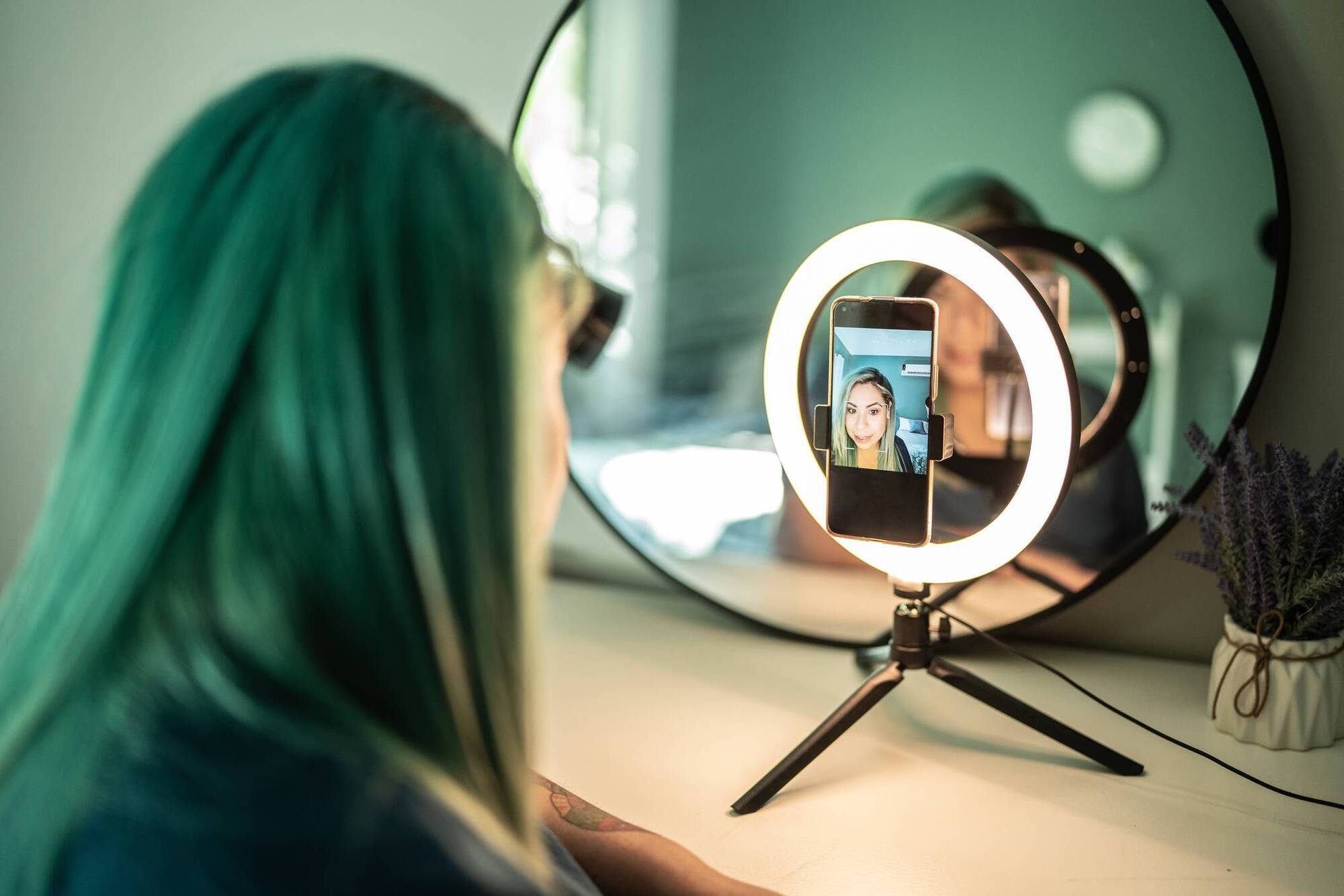
From now on, influencers who are paid to advertise goods—no matter what form that payment or that advertising takes – have to use the hashtag #Ad.
The Competition and Consumer Protection Commission (CCPC) and the Advertising Standards Authority for Ireland (ASAI) have just published fresh guidance for Irish influencers on the clear labelling of ads on social media.
This guidance addresses paid promotion, items ‘gifted’ by brands or PR agencies, and the advertising of own-brand products and services. It has been developed following extensive research, including experiments with eye-tracking technology and a survey of 500 social media users. A number of influencers were also asked to review the new guidance and provide feedback to the CCPC.
From now on, influencers who are paid to advertise goods—no matter what form that payment or that advertising takes—have to use the hashtag #Ad. These hashtags also have to be instantly visible.
Nor is it enough for influencers to put the right labels on content they’re paid to promote. Posts about their own brands must also be labelled as advertising.
A number of different hashtags (#IWorkWith, #OwnBrand) are currently used by influencers to indicate advertising. These must now be replaced by #Ad (or #Fógra for Irish-language posts).
Kevin O’Brien of the Competition and Consumer Protection Commission says that research carried out by the consumer watchdog last year found that consumers are reluctant to use the word ‘influencers’ in reference to personalities they follow on social media platforms, preferring instead to use terms like ‘interactive celebrities’ and ‘people of interest’.

The fact that consumers didn’t agree that these terms were interchangeable with the term ‘influencer’ suggests they may be overconfident in their ability to recognise influencer advertising and may be vulnerable to misleading practices.
In addition, half of the commercial content reviewed by the CCPC was not labelled as advertising in any way. The absence of labelling of influencers’ marketing of their own brands was an area of particular concern identified in the research.
Consumers also raised specific concerns around influencers promoting cryptocurrencies and other financial products, particularly when the influencer had no experience in the area.
Kevin O’Brien says that the new guidance will support influencers to comply with their obligations under the law so that consumers know when they are being advertised to.
“It is in everybody’s interest for influencers to be honest with their audience and transparent about their advertising. CCPC research found that many consumers felt misled after purchasing an item on the advice of an influencer, and that levels of trust in influencers generally are very low. Clear labelling benefits everyone.”
It is an offence to mislead a consumer, and influencers who fail to comply with Ireland’s consumer protection legislation may be subject to enforcement action up to and including prosecution.
“The guidance takes account of developments in influencer marketing and provides clear and straightforward guidance for influencers and the brands they work with, on how to correctly and clearly label and disclose advertising content on their social media channels, to ensure that consumers are not misled.”
The ASAI published research earlier this year which revealed that over half of those surveyed were bothered by both the lack of transparency in influencer marketing and not being able to distinguish content from advertising.
The research found that only one in 10 people trust what influencers post on social media, and that over half of Irish consumers (56%) trust brand advertisements more than social posts by influencers.
These findings echoed similar results to that of the CCPC’s research last December, which re-inforced the need for this joint guidance.
“The fundamental requirement for any advertising to be identifiable as such has been in existence for over 40 years,” says Twomey. “This new joint guidance will continue to improve compliance in influencer marketing, and consumer awareness and understanding in this area.”
A programme of engagement is planned to ensure influencers are fully equipped to comply with their responsibilities under the law.

Note too that even if influencers use the recommended advertisement labels, the post may still breach consumer protection law if, in the overall context, the post is false or misleading. In addition, the ASAI code requires that it be clear when content is a marketing communication. These rules apply to all advertisements, including those created by influencers on behalf of brands.
The ASAI Code also has other rules which may apply to influencer marketing—particularly those related to substantiation for claims in ads, rules for health and beauty claims, protection of children, and so on.
The publication of this guidance coincides with a major month-long review of influencer content conducted by the European Commission and national authorities, including the CCPC.
This review will screen online posts to identify testimonials and endorsements that mislead consumers. Influencers involved in regular commercial activity, such as brand deals to advertise products or services, are considered as traders under EU consumer law.
They are required to disclose advertisements in a transparent manner. The result of this social media sweep will feed into the ‘Digital Fairness Fitness Check’ that will help to assess whether new legislation is necessary to make digital markets as safe as offline markets.
In addition, the European Commission has just launched what it calls an ‘Influencers Legal Hub’. On this platform, influencers and content creators can find information on EU legislation in the area of fair commercial practices, which will help them to play by the rules.
Influencer marketing has become a pillar of the digital economy and is expected to reach a global value of almost €20bn this year.
In launching the review, commissioner for Justice, Didier Reynders, said that the business of influencers is thriving, and pointed out that many consumers—often young people or even children—trust their recommendations.
“This business model also comes with legal obligations, however. Influencers too must follow fair commercial practices and their followers are entitled to transparent and reliable information. Our influencer legal hub will be a big help for all actors in the industry to understand the rules. I call on influencers to play by them.”
The influencer legal hub provides animated video training and a library of resources developed in collaboration with academic experts. Influencers can learn about their legal obligations, in particular when, where and how they should disclose their advertising activities on social media, what they are expected to do in relation to professional due diligence and what rights consumers have when they buy products or services directly from them.

CONNECT WITH US TODAY



Be the first to know the latest news and updates