Eurozone core inflation hits 1-year low, backing ECB pause

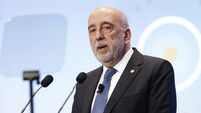
There’s growing evidence that the ECB’s actions are hitting the already struggling economy — further bolstering the case for a pause in interest rate hikes. Picture: Cyril Marcilhacy/Bloomberg
Euro-area core inflation eased to its slowest pace in a year, supporting expectations that the European Central Bank will keep interest rates on hold to gauge the impact of its unprecedented campaign of hikes.
Underlying price gains, which strip out energy and food costs, came in at 4.5% in September, Eurostat said Friday. That’s down from 5.3% in August and much less than the 4.8% median estimate in a Bloomberg survey of economists.
Headline inflation moderated to 4.3% from 5.2%, an almost two-year low that was also below expectations, led by a drop in energy costs but with services also slowing sharply.
German bonds and the euro held their gains after the release. The 10-year yield was down 7 basis points on the day after approaching 3% on Thursday, a level last reached in 2011. The euro traded 0.4% stronger at $1.0604, bouncing back from an eight-month low touched this week.
The data offer the most definitive sign yet that the growth in core prices, a key metric as monetary policy was tightened, is firmly on the way down following a summer during which statistical distortions propped it up.
But with both measures still more than double the ECB’s 2% goal, markets are bracing for what officials say will be an extended period of elevated borrowing costs. Highlighting the divergent trends in the 20-member eurozone, German inflation plunged to a two-year low this month, while Spain’s reading jumped back above 3%.
Neither investors nor economists expect the ECB to add to the 10 straight increases since July 2022 that have brought the deposit rate to 4%. Many policymakers agree, even if some continue to warn that shocks — such as oil reaching $100 a barrel — could yet warrant further action.
It’s a similar situation in the US, where the Federal Reserve’s preferred inflation measure is estimated to have slowed below 4% in August, and officials have signaled they’re at least close to the peak in rates.
In Europe, there’s growing evidence that the ECB’s actions are hitting the already struggling economy — further bolstering the case for a pause. Borrowing by companies grew at the slowest pace in almost eight years in August, data released this week showed, while confidence cooled for a fifth consecutive month on consumer gloom.
Germany, the bloc’s largest economy, is in the worst trouble and is likely to see output shrink this quarter. Rising wages, though, may drive a rebound in spending and help return growth toward year-end, according to projections published Thursday by research institutes that advise the government.
Such salary pressures may cloud the path for disinflation, however. There may not be full clarity on how quickly price gains will recede until well into 2024, ECB Chief Economist Philip Lane has said.
While future hikes can’t be fully excluded, interest rates will probably remain around where they are “for some time,” Latvian central bank chief Martins Kazaks said Friday in Riga.
Bloomberg

CONNECT WITH US TODAY



Be the first to know the latest news and updates