Global factory slump from Ireland to Japan reflects strain of rate increases on demand
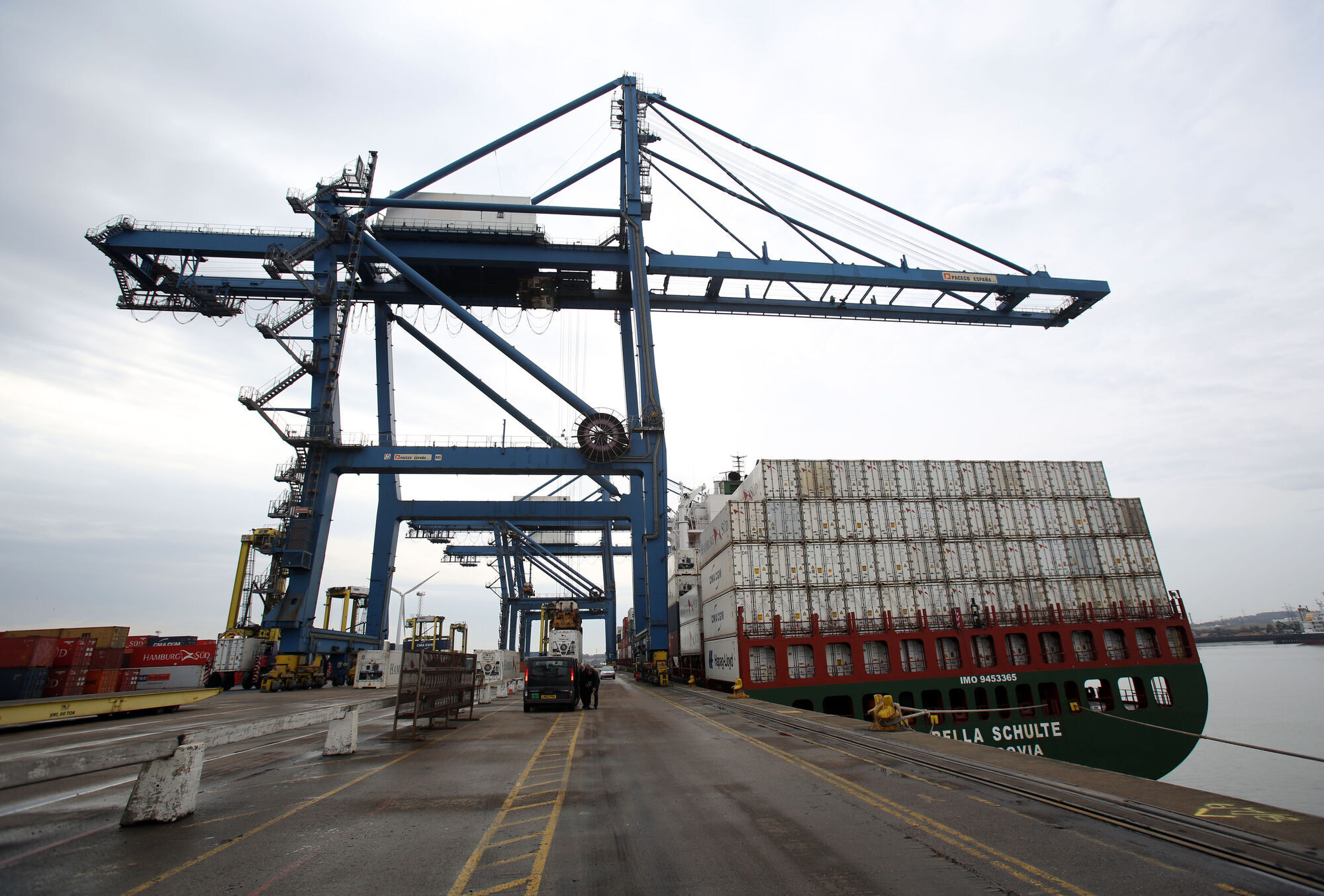
Japan, South Korea, Taiwan and Vietnam saw manufacturing activity contract in July, surveys showed, highlighting the strain sluggish Chinese demand is inflicting on the region. Picture: PA
Global factory activity from Ireland to Germany and Japan remained in a slump in July, surveys showed, a sign slowing growth and weaknesses in China were taking a toll on the world economy, though the picture in the Americas was notably less bleak than elsewhere.
The downturn highlighted the dilemma for policymakers who embarked on aggressive rate hikes in a battle to keep inflation at bay, and yet also need to try and forestall potential recessions.
S&P Global's gauge of worldwide manufacturing activity held steady at 48.7 in July, matching the lowest level since June 2020, with subindices of factory output and new orders both slipping to six-month lows. A reading below 50 marks a contraction in activity.
A Purchasing Managers' Index (PMI) covering the eurozone as a whole showed manufacturing activity contracted in July at the fastest pace since covid was cementing its grip on the world as demand slumped despite factories cutting their prices sharply.
There was considerable weakness in Germany, Europe's largest economy, while France and Italy, the second- and third-largest eurozone economies, also recorded marked deteriorations since June.
In Ireland, the AIB PMI showed a further sharp contraction in activity output in July, reflecting weak overseas' demand.
The final eurozone manufacturing PMI, compiled by S&P Global, fell to 42.7 in July from June's 43.4, its lowest reading since May 2020 and matching a preliminary figure.
An index measuring output, which feeds into a composite PMI and is seen as a good gauge of economic health, dropped to 42.7 from 44.2, a low not seen in more than three years.
The manufacturing downturn in Germany deepened at the start of the third quarter as goods producers recorded sharper declines in new orders, data showed.
Meanwhile, France's factory sector contracted further in July, although the downturn was not quite as bad as first forecast.
"Today's PMI results are an indicator of the ongoing uncertainty that the eurozone manufacturing sector is currently facing," said Thomas Rinn, global industrial lead at Accenture.
"Demand is going through a rocky patch. Dwindling output coupled with the knock-on effects of inflation, labour shortages and shifting customer preferences, all continue to put a squeeze on businesses," he said.
In Britain, outside the European Union, factory output contracted in July at the fastest pace in seven months, hit by higher interest rates and fewer new orders, despite weakening price pressures.
Japan, South Korea, Taiwan and Vietnam saw manufacturing activity contract in July, surveys showed, highlighting the strain sluggish Chinese demand is inflicting on the region.
China's Caixin-S&P Global manufacturing PMI fell to 49.2 in July from 50.5 in June.
- Reuters


CONNECT WITH US TODAY



Be the first to know the latest news and updates