Bank of Ireland's pre-tax profit climbs to €1bn at the half-year stage
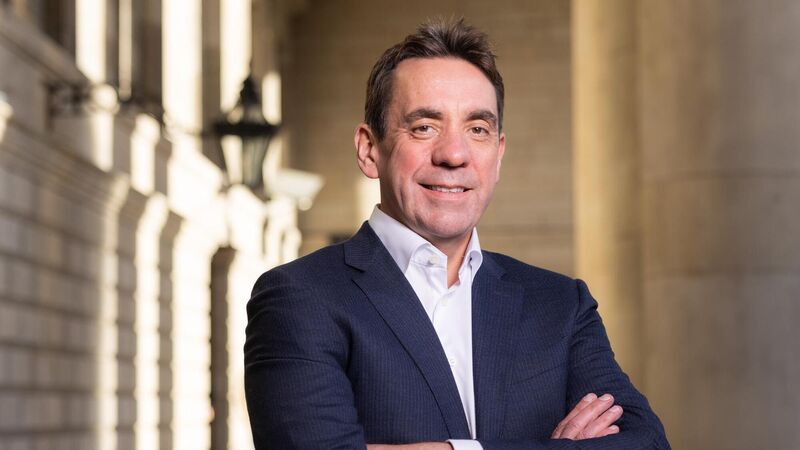
Myles O’Grady, Chief Executive of Bank of Ireland, took over the top job this year following the departure of Francesca McDonagh.
Bank of Ireland posted €1bn in profits before tax in the first six months of the year, as the lender tapped a huge uplift from interest rate hikes and the swelling of its loan book from the mortgages acquired from KBC Bank.
Profits rose to €1bn at the end of June from €351m at the half-way stage last year, net interest income increased to €1.8bn from almost €1.1bn, but its net credit impairment charge also rose sharply, to €158m from €47m in 2022.
The lender also predicted that income would be “modesty higher” in the second part of the year.
“This performance reflects our strategic decisions and execution over recent years, and commercial delivery across all business lines, supported by a more favourable interest rate environment,” said chief executive Myles O’Grady, who took over the top job this year following the departure of Francesca McDonagh.
Bank of Ireland is the second of the Big Two lenders left in the market to report half-year earnings. AIB last week posted an operating profit of €1.2bn that reflected the huge boost for Irish lenders from higher interest rates and from the departure of once fierce rivals Ulster Bank and KBC Bank from banking in the Republic.
Bank of Ireland acquired €8bn in mortgage loans from KBC, while AIB and Permanent TSB carved out the Ulster Bank mortgage and commercial loan books between them. Bank of Ireland also acquired scandal-hit broker Davy a year ago.
The bank’s deposits rose to €102bn from €99bn, reflecting the KBC accounts that moved into the bank.
In the earnings statement, Mr O’Grady said that the results also reflected the strength of the Irish economy despite the global economic uncertainty caused by inflation.
On the outlook, the bank said it expects net interest income in the final six months of the year to be “modestly higher” than the first half and for operating costs to be little changed from earlier forecasts.
Irish bank shares have been boosted hugely ever since the European Central Bank started hiking interest rates last summer. The shares have been further driven by the lenders tightening their grip over mortgage and business lending in the Republic.
There has been increased focus on the relatively low rates Irish banks pay their deposit savers compared with the rates they charge to mortgage borrowers.
Mr O'Grady said that the bank had "taken a balanced approach" between ECB rate rises and paying its depositors. He said that more customers will likely move to higher rate deposit products.
Reflecting some of those developments, Bank of Ireland shares have gained 4.5% since the start of the year, and have soared 67% from this time last year, to value the lender at more than €9.8bn.
The Government no longer has a shareholding in Bank of Ireland.
CONNECT WITH US TODAY



Be the first to know the latest news and updates