Oliver Mangan: Markets predict 'soft landing' for US economy
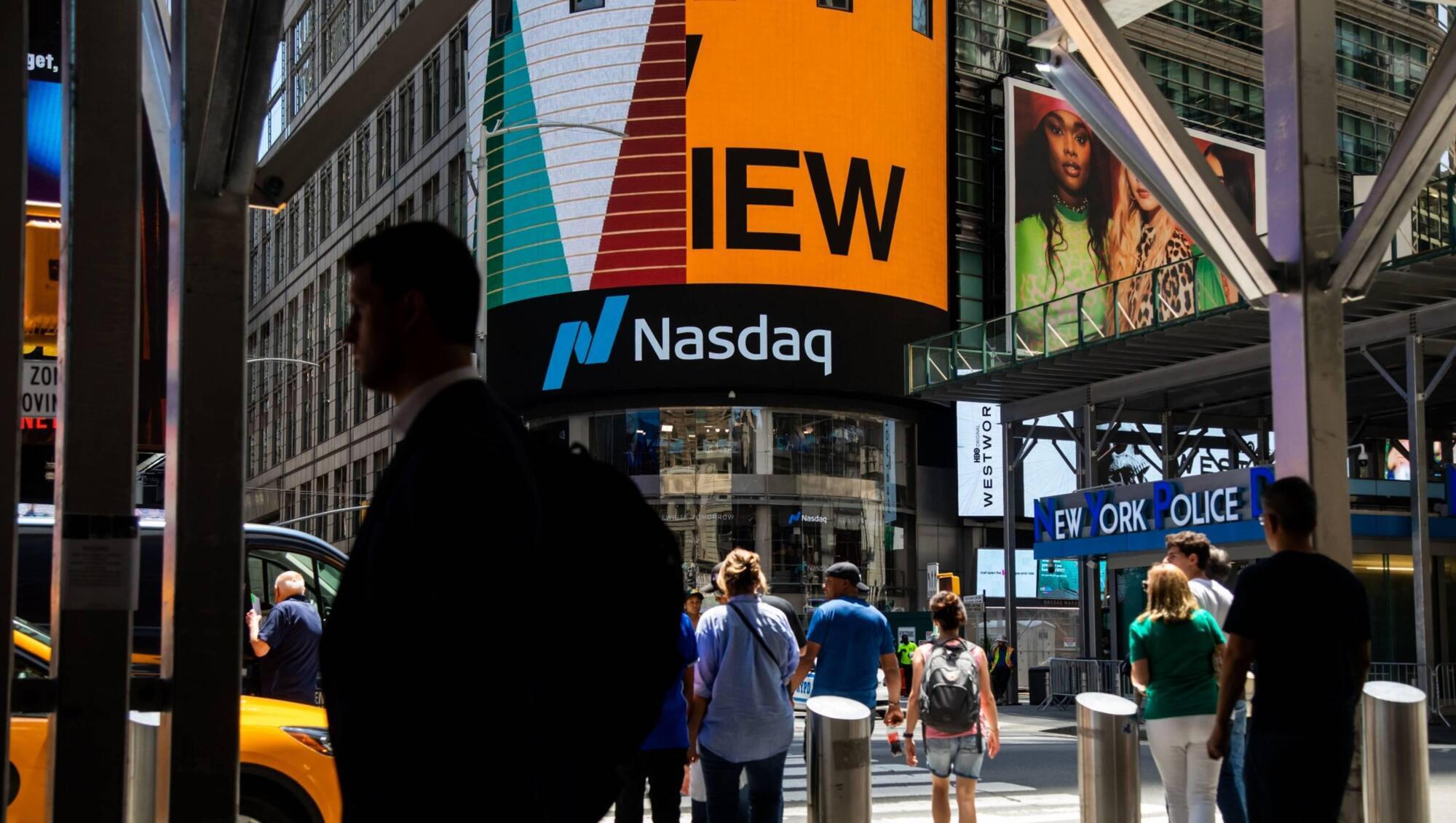
US stock market indices have risen, core inflation rates have dropped and unemployment is at a 50-year low
Oliver Mangan: Markets predict 'soft landing' for US economy

The Nasdaq stock market index has risen 25% since the spring as more and more US data point in the direction of a soft landing.

Markets are becoming increasingly confident that the US Federal Reserve will manage to engineer a soft landing for the US economy. 

Fed interest rate hikes act to bring down inflation, but without pushing the economy into recession and generating a sharp rise in unemployment, but in the past, this has proved a difficult task to achieve.

Fed chair Jerome Powell had warned the path was narrow to achieve such an outcome, especially with the Fed hiking rates by 500 basis points so far. 

However, the S&P 500 and Nasdaq stock market indices have risen by 16% and 25%, respectively, since the spring as more and more US data point in the direction of a soft landing. This would also soon allow the Fed to bring its rate hiking campaign to an end.

The consumer price inflation data for June were particularly encouraging. The US headline inflation rate dropped to 3% from 4% in May, and 4.9% in April, and it is now well below its peak of 9.1% reached a year ago. 

Meanwhile, the core inflation rate, which excludes food and energy, declined to 4.8% from 5.3% in May, and 5.5% in April, and a peak of 6.6% last September.

This is still a high rate, but it looks set to fall further in the coming months, both on positive base effects as large increases from last year drop out of the annual rate, and on easing price rises in summer.

While the pace of growth in the US has slowed, the economy is still continuing to perform quite well. 

Although the momentum of job creation has slackened, growth in non-farm payrolls still averaged almost 250,000 in the past three months.

 The unemployment rate has remained close to 50-year lows, standing at 3.6% in June. GDP grew by 2% annualised in the first quarter of the year, and data point to another solid increase in the second quarter.

US Federal Reserve chairman Jerome Powell had warned the path was narrow to achieve a soft landing especially with the Fed hiking rates by 500 basis points so far. Picture: Jacquelyn Martin/AP

The resilience of the economy in the face of a sharp rise in interest rates is being attributed to a number of factors, including the high level of job vacancies following the pandemic, which has seen employment continuing to expand, and strong household balance sheets with savings at elevated levels.

 The expansionary stance of fiscal policy, as well as a pick-up in wage growth and widening of firms’ profit margins, have also supported activity.

However, it should be noted that the full impact of higher rates has yet to be felt in the real economy.

The fall back in inflation despite the continuing solid economic growth and a very tight labour market has been referred to as “immaculate disinflation”. 

Much of the rise in inflation in 2021-2022 was due to supply side shocks emanating from covid and the war in Ukraine.

Markets believe that the deceleration in inflation will allow the Fed to put monetary policy on hold, after it delivers one final, well signalled, 25 basis point rate hike at its policy meeting at the end of this month. 

There is still a long way to go, though, to get core inflation back down to its 2% target, so it will be quite some time before rate cuts come on to the Fed’s agenda.

  • Oliver Mangan is chief economist at AIB

More in this section

The Business Hub

Newsletter

News and analysis on business, money and jobs from Munster and beyond by our expert team of business writers.

Cookie Policy Privacy Policy Brand Safety FAQ Help Contact Us Terms and Conditions

© Examiner Echo Group Limited