UK mulls scrapping water pollution law to build more housing
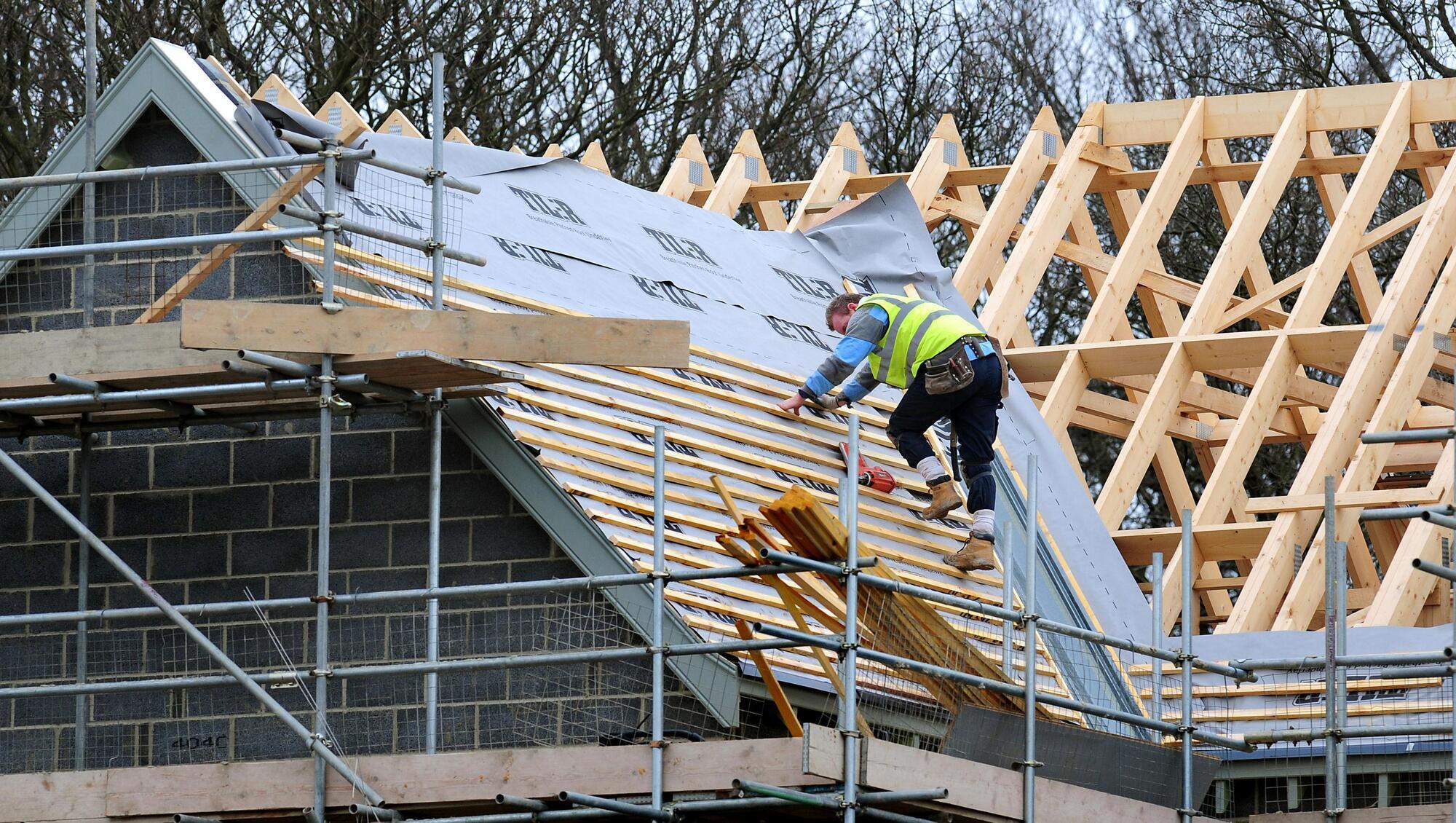
The proposed move comes after the Home Builders Federation lobby group blamed the “nutrient neutrality” rule for preventing construction of 120,000 homes.
British prime minister Rishi Sunak is considering scrapping an environmental law dating back to UK membership of the EU, as his government faces pressure to build more houses while fending off a voter backlash on pollution.
The prime minister’s team is looking at using his flagship regeneration bill to override a 2018 ruling that effectively bans housebuilding in areas where it risks polluting rivers and waterways. The proposed move comes after the Home Builders Federation lobby group blamed the “nutrient neutrality” rule for preventing construction of 120,000 homes.
Britain’s housing shortage is a contentious political issue ahead of a general election expected in 2024, with the Conservatives under fire after backing away from a manifesto pledge to build 300,000 homes a year.
Many Tory MPs in more affluent areas object to building in their districts, after seeing the previously safe seat of Chesham and Amersham flip to the Liberal Democrats in a special election in 2021. Mr Sunak’s party faces by-elections in three seats this month after sitting Tory MPs resigned.
Still, their squeamishness on housebuilding has left the Conservatives vulnerable to the poll-leading Labour Party’s promise to boost supply. Labour leader Keir Starmer spent the weekly Prime Minister’s Questions trying to capitalise, telling Mr Sunak in one heated exchange: “The ambitions of families across the country have been crushed by his failing Tory government.”
But if Mr Sunak waters down environmental laws to try to reclaim the housing narrative, he risks drawing attention to the Tories’ poor record on pollution, which cost them votes in May’s local elections as #TorySewageParty and other hashtags trended on Twitter. It would also likely break another manifesto promise not to lower UK environmental standards below the EU’s after Brexit.
“The subject of housebuilding crystallises the principal electoral challenge facing the Conservative Party: do they prioritize the interests of the already propertied, or the interests of those currently unable to get onto the property ladder?” said James Vitali, a research fellow at the Policy Exchange think tank.
Set against the now-dropped 300,000 annual target, the number of homes HBF said were blocked under the pollution rule barely scratches the surface. Its impact is also localised, typically in areas close to river catchment run-offs such as Kent and Wales — though more areas of western and northern England have seen the rule applied in recent years, the lobby group said.
In Kent’s Stodmarsh catchment, a nature reserve near the River Stour about 8 kilometers from Canterbury, HBF said 35,000 homes are delayed — over a quarter of the total in its report. It accused Natural England, the public body mandated with protecting the environment, of using the nutrient neutrality rule to completely block building in Stodmarsh and similar areas.
Natural England’s stance stems from a 2018 European Court of Justice ruling making it unlawful to release nutrients — such as nitrates and phosphates found in wastewater or sewage — into protected sites already in an “unfavourable” condition. It disputes the HBF figure, but also insists housebuilding must be compatible with legally binding targets to improve the environment.
The British government’s so-called Levelling Up bill, which it is considering using to change the nutrient neutrality rule, is currently in front of the House of Lords. The proposal would also need separate legislation to scrap the law completely, a person familiar with the matter said, when asked about timing.
“The government remains committed to delivering housing in areas impacted by nutrient neutrality and is supporting local authorities and developers,” a spokesperson for the Department for Environment said. “We recognise the urgency of this issue and have taken substantial steps to both unlock housing now and to address the underlying causes of nutrient pollution at source.”
The HBF typically represents developers who say the rule is unfairly applied. Housebuilders wanting to build on affected sites must mitigate their pollution by building wetlands or other environmental projects, adding as much as £25,000 (€29,000) per home to win permission, according to the group. The government has also set up a program offering nutrient credits to developers, working with farmers on mitigation projects.
But the group argues the nutrient neutrality rule compounds existing hurdles to housebuilding, such as supply constraints, a growing regulatory burden, and an underfunded planning system, it said.
It can be especially difficult for local or smaller developers who can’t find sites for an offset project nearby. “If you’re a footloose developer with no particular ties to an area, you’re probably going to build in regions which aren’t affected by the rules,” said Andrew Watson, a planning director at broker Savills. “A lot of developers do not have that privilege.”
Tory MPs calling for housebuilding regulations to be eased are influential in Mr Sunak’s governing party. They argue it’s central to the 2019 manifesto commitment to boost deprived areas of the country. Homeownership is also a central tenet of the party’s doctrine since the days of Margaret Thatcher.

CONNECT WITH US TODAY



Be the first to know the latest news and updates