Why are we still paying high fuel prices?
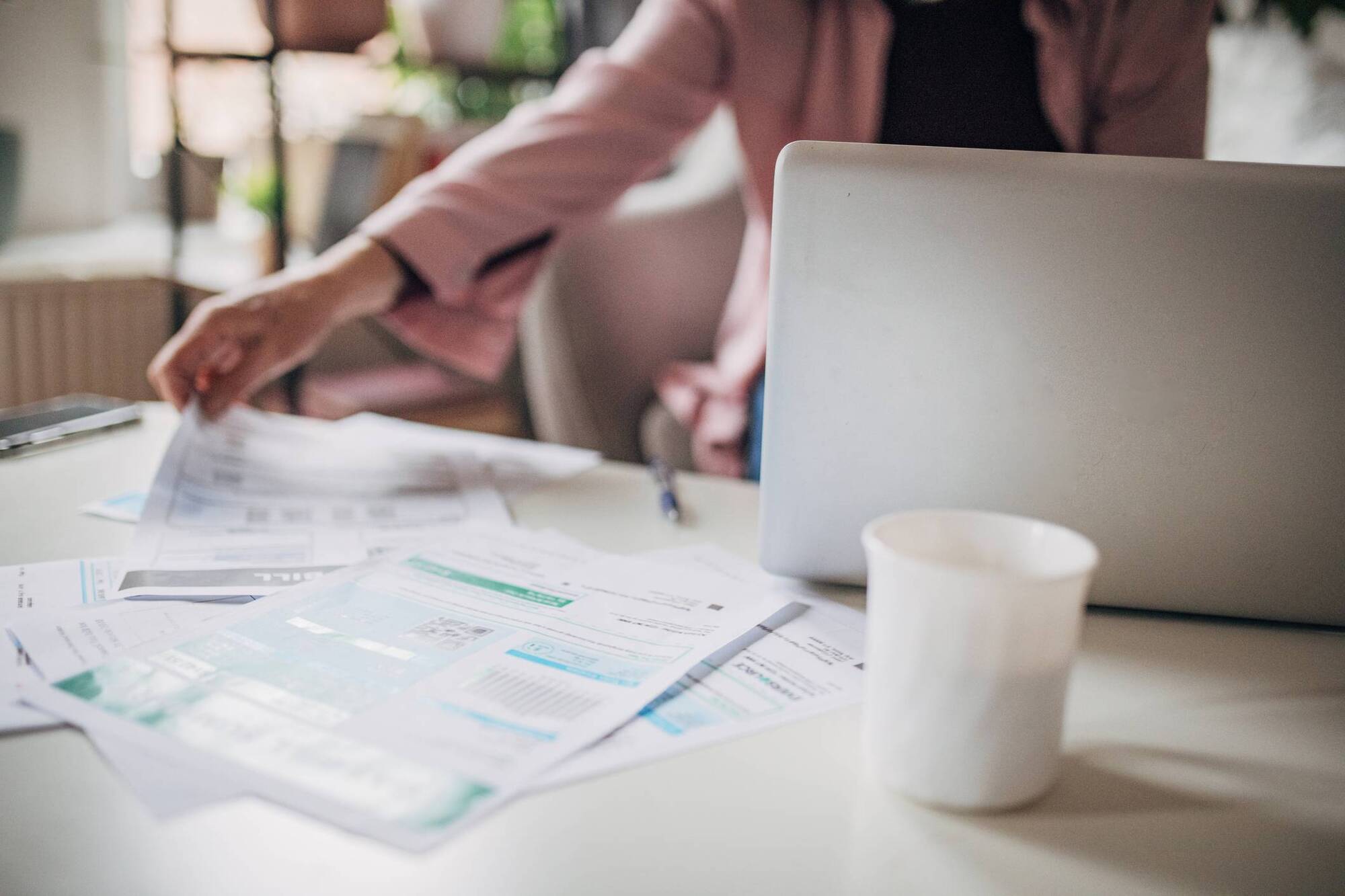
The average price of electricity for the first four months of the year is still almost €150 per MWh, three times what would be considered normal levels. Picture: iStock
Energy prices on wholesale markets have been falling steadily over the last few months. When Russia invaded Ukraine last year, the price of a barrel of oil reached over $120. Today, it’s trading between $70 and $80.
And yet the price of electricity or gas has not fallen. Why is that? Are the energy companies keeping prices inflated in order to protect their profits?
Daragh Cassidy of price comparison and switching site Bonkers.ie says no, that is not what is happening. Only about 3% of our electricity is generated using oil, so its price does not have much impact on the cost of power.
“On top of this, oil is sold in dollars and the euro has been quite weak against the dollar in recent months. At the start of 2022, €1 was worth around $1.15. However, this fell as low as $0.96 last summer. Though the euro has since recovered a bit this year.
But it’s not all about oil. Last October, the Central Statistics Office (CSO) said wholesale electricity prices had fallen by 52% compared to the previous month. This made big news and left many of us wondering why we were not seeing cheaper energy bills. Then in April, the CSO said wholesale electricity prices had dropped over 40% compared to the year before.
Daragh Cassidy points out, however, that wholesale energy prices are still at a very high level. At one stage during last summer, the price of gas was up by well over 1,000% on a yearly basis on wholesale markets.
And in March 2022, the wholesale price of electricity in Ireland was up by over 400% compared to the year before.
“So when we hear of falling prices we need to remember that it’s on the back of prices which were at record highs to begin with. The average price of electricity for the first four months of the year is still almost €150 per megawatt hour, for example. That's over three times what would be considered normal levels.”
Meanwhile, the price of gas on the UK market — from where we import about 75% of our gas — has been trading at very high levels until very recently. The good news is that that price has tumbled. The bad news is because of something called hedging, we will not feel the benefit of that fall right away.
Hedging is a kind of insurance taken out by energy suppliers. They buy their energy up to two years in advance, which means they do not pay the current market price, they pay a forward price which typically includes some element of a premium for the certainty it gives them.
So when the wholesale price falls, that has no impact on their bottom line. They’re still working through stocks bought at higher prices, which is why there is no lower price to pass on.
In other words, energy suppliers made bad purchasing decisions over the past two years for which we must foot the bill.
Mr Cassidy takes a more benign view. “The price households pay for their gas and electricity is usually an average price of the cost of energy on wholesale markets over the course of up to two years.
"This is to try to ensure households aren’t faced with extreme swings in the price of their gas and electricity on a weekly or monthly basis.”
He goes on: “Gas prices were up by over 1,000% last summer while electricity prices were up by over 400% at one stage last spring. But thanks to hedging, an increase of this size wasn’t passed on to households.
"Buying in advance also means suppliers can be sure they have enough energy to meet their customers' demands.”

The price of gas has fallen hugely over the past few weeks and is now close to pre-war levels of about 50 pence a therm. However, as Mr Cassidy points out, most suppliers will only have bought a tiny fraction of their supply at this recent price.
Due to hedging, there needs to be a sustained reduction in the price of energy on wholesale markets for several months before the benefit is felt by consumers.
The wholesale price falls have largely been due to good weather. Strong wind output has helped ease electricity prices too.
Europe experienced an extremely mild winter, and that kept demand for gas far lower than expected, which has also contributed to the drop in its price.
And as we use gas to generate about 40% of our electricity, this has helped push electricity prices down too. There has also been a strong supply of liquefied natural gas (LNG) in Europe, which has helped replace Russian piped gas and ease concerns over shortages.
The number and frequency of power outages at generation plants are also down compared to recent years. In 2020 and 2021, two of the country’s biggest electricity power plants at Whitegate in Cork and Huntstown in Dublin were out of action for a prolonged period, which put big pressure on the electricity grid and prices.
Keeping power outages at electricity plants under control will also be critical for Ireland's electricity prices over the coming months.
Any further escalation in the Ukrainian conflict could also see prices shoot back up.
"In short, household energy bills haven't reduced in recent weeks because there's been no real reduction to pass on. Yet. Gas has been trading way above its normal price until very recently, while electricity is still trading at around three times its price compared to two years ago," Mr Cassidy said.
But if the trend continues we should see moderate falls before the end of the year.”
Warmer weather and longer daylight mean summertime power bills tend to be lower than those that land in winter, but there are still plenty of ways to cut them still further.
If the water coming out of your tap is too hot and you have to mix in a lot of cold, chances are you are wasting power and could reduce the hot water stat and save yourself some money.
Remember to turn off non-active appliances, which can often consume more electricity than you think in standby mode. You can now buy controllable sockets which you can operate via an app on your phone, which means you can switch on and off devices when you need to.
Put lids on pots, turn off lights in rooms you are not using, make the most of any good weather and do your drying outside.
Switching suppliers is also a great idea, especially if you have been with your energy company for a while. So long as you don’t break a contract with the old supplier, you will nearly always make a saving by switching.


CONNECT WITH US TODAY



Be the first to know the latest news and updates