Global coffee harvest to fall short of demand as fertiliser costs stay elevated
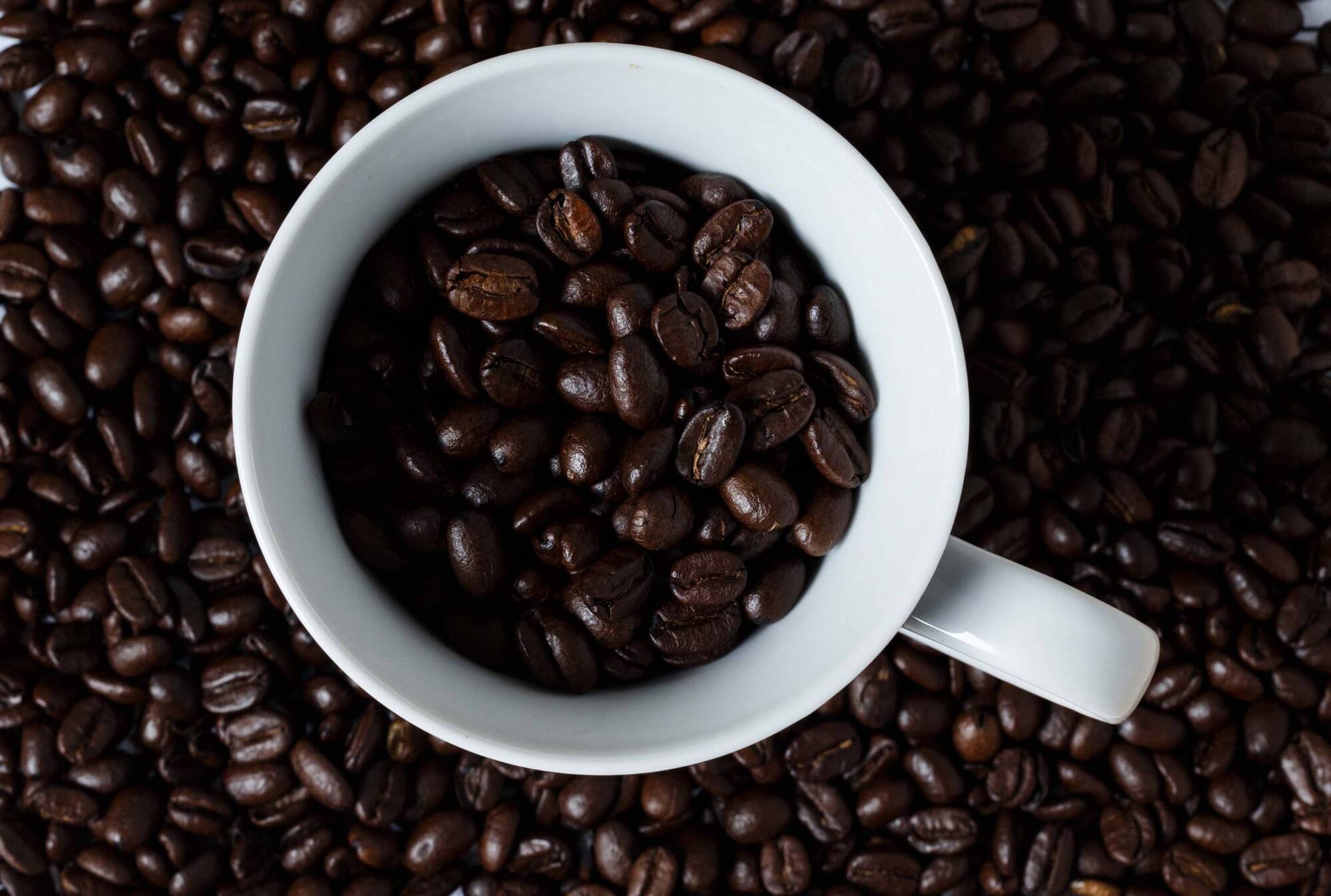
The International Coffee Association sees production rising only 1.7% to 171.3m bags in the current season.
The global coffee market will record a deficit of 7.3m bags in the annual season that runs to September as increased global fertiliser costs and adverse weather last year hurt crops, the International Coffee Association (ICO) has said.
This follows a deficit of 7.1m bags in the previous season when coffee consumption bounced back and economic growth improved as the world emerged from the covid pandemic, said the ICO in a monthly report.


Read

Listen

Watch

Play
CONNECT WITH US TODAY



Be the first to know the latest news and updates





The Business Hub
Newsletter

News and analysis on business, money and jobs from Munster and beyond by our expert team of business writers.
The Business Hub
Newsletter
News and analysis on business, money and jobs from Munster and beyond by our expert team of business writers.

Lunchtime News
Newsletter
Get a lunch briefing straight to your inbox at noon daily. Also be the first to know with our occasional Breaking News emails.
Revoiced
Newsletter
Had a busy week? Sign up for some of the best reads from the week gone by. Selected just for you.
Most Read
Sunday, October 4, 2026 - 8:00 AM

Sunday, October 4, 2026 - 11:00 AM
Sunday, October 4, 2026 - 10:00 AM