Saudis to cut crude oil output amid effort to halt fall in prices
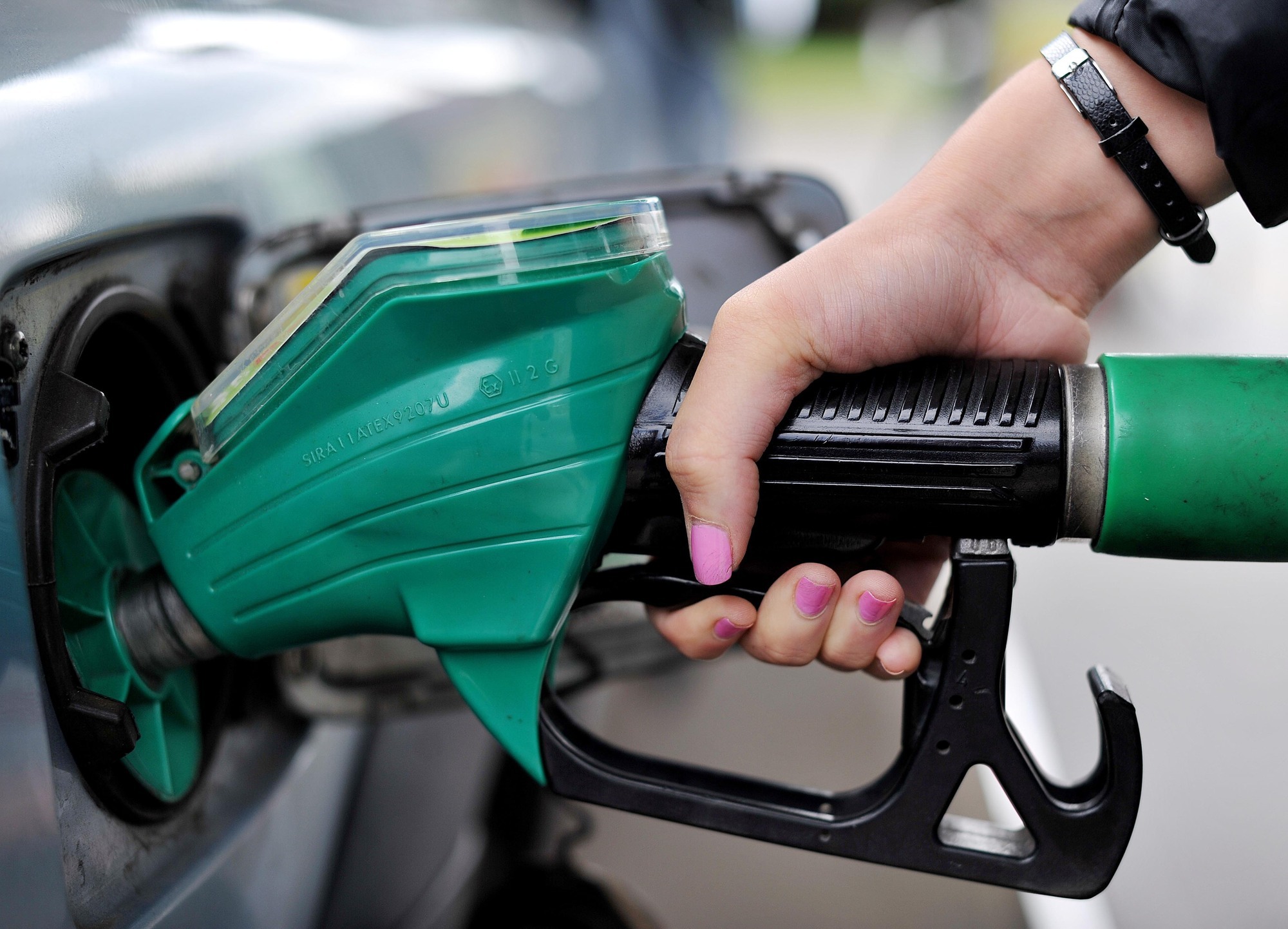
Saudi energy minister Prince Abdulaziz said Riyadh's cut of 1m barrels per day could be extended beyond July if needed
Saudis to cut crude oil output amid effort to halt fall in prices

After seven hours of talks, OPEC+ decided to reduce overall production targets from 2024 by a further total of 1.4m barrels per day. Stock picture

Saudi Arabia will make deep production cuts in July as part of a broader output-limiting Opec+ deal as the oil-producing group faces flagging crude prices and a looming supply glut.

Saudi energy minister Prince Abdulaziz said the cut of 1m barrels per day by Riyadh could be extended beyond July if needed. “This is a Saudi lollipop,” he said.

Opec+, which groups the Organisation of the Petroleum Exporting Countries and allies led by Russia, reached a deal on output policy after seven hours of talks and decided to reduce overall production targets from 2024 by a further total of 1.4m barrels per day.

However, many of these reductions will not be real as the group lowered the targets for Russia, Nigeria, and Angola to bring them into line with their actual current production levels. By contrast, the United Arab Emirates was allowed to raise output.

Opec+ pumps around 40% of the world’s crude, meaning its policy decisions can have a major impact on oil prices. The group has already put in place a cut of 2m barrels per day agreed last year and amounting to 2% of global demand.

In April, it also agreed a surprise voluntary cut of 1.6m barrels daily that took effect in May until the end of 2023. Saudi Arabia said yesterday it would extend its portion of voluntary cuts.

The April announcement helped to drive oil prices about $9 per barrel higher to above $87 but they swiftly retreated under pressure from concerns about global economic growth and demand. On Friday, international benchmark Brent crude settled at $76 a barrel.

Western nations have accused Opec of manipulating oil prices and undermining the global economy through high energy costs.

The West has also accused Opec of siding with Russia despite Western sanctions over the invasion of Ukraine.

Opec insiders have said the West’s money-printing over the last decade has driven inflation and forced oil-producing nations to act to maintain the value of their main export.

Asian countries such as China and India have bought the greatest share of Russian oil exports and refused to join Western sanctions.

  • Reuters

More in this section

The Business Hub

Newsletter

News and analysis on business, money and jobs from Munster and beyond by our expert team of business writers.

Cookie Policy Privacy Policy Brand Safety FAQ Help Contact Us Terms and Conditions

© Examiner Echo Group Limited