German economy enters recession following bleak first quarter
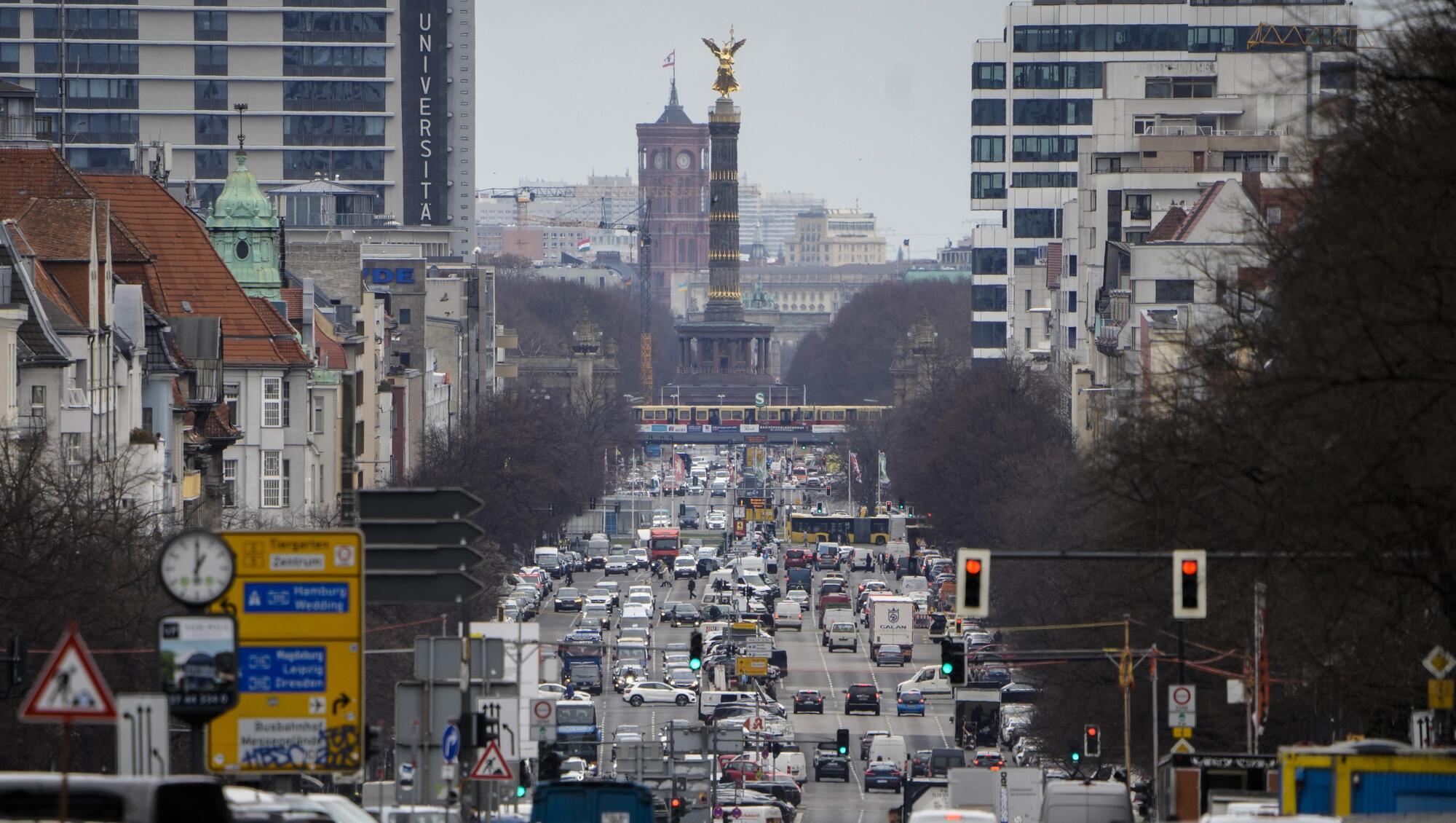
The result is a setback for Germany, which despite escaping the bleakest scenarios feared in the aftermath of Russia’s invasion has nevertheless succumbed to a recession that Chancellor Olaf Scholz appeared to rule out in January. (AP Photo/Markus Schreiber)
The German economy contracted slightly in the first quarter of 2023 compared with the previous three months, thereby entering a recession, data from the statistics office showed on Thursday.
Gross domestic product fell by 0.3% for the quarter when adjusted for price and calendar effects, the data showed. This follows a decline of 0.5% in the fourth quarter of 2022. A recession is commonly defined as two successive quarters of contraction.


Read

Listen

Watch

Play
CONNECT WITH US TODAY



Be the first to know the latest news and updates




The Business Hub
Newsletter

News and analysis on business, money and jobs from Munster and beyond by our expert team of business writers.
The Business Hub
Newsletter
News and analysis on business, money and jobs from Munster and beyond by our expert team of business writers.

Lunchtime News
Newsletter
Get a lunch briefing straight to your inbox at noon daily. Also be the first to know with our occasional Breaking News emails.
Revoiced
Newsletter
Had a busy week? Sign up for some of the best reads from the week gone by. Selected just for you.
Most Read
Sunday, October 4, 2026 - 10:00 PM
Sunday, October 4, 2026 - 7:00 PM
Sunday, October 4, 2026 - 9:00 PM