John Whelan: Irish exporters are losing out in China
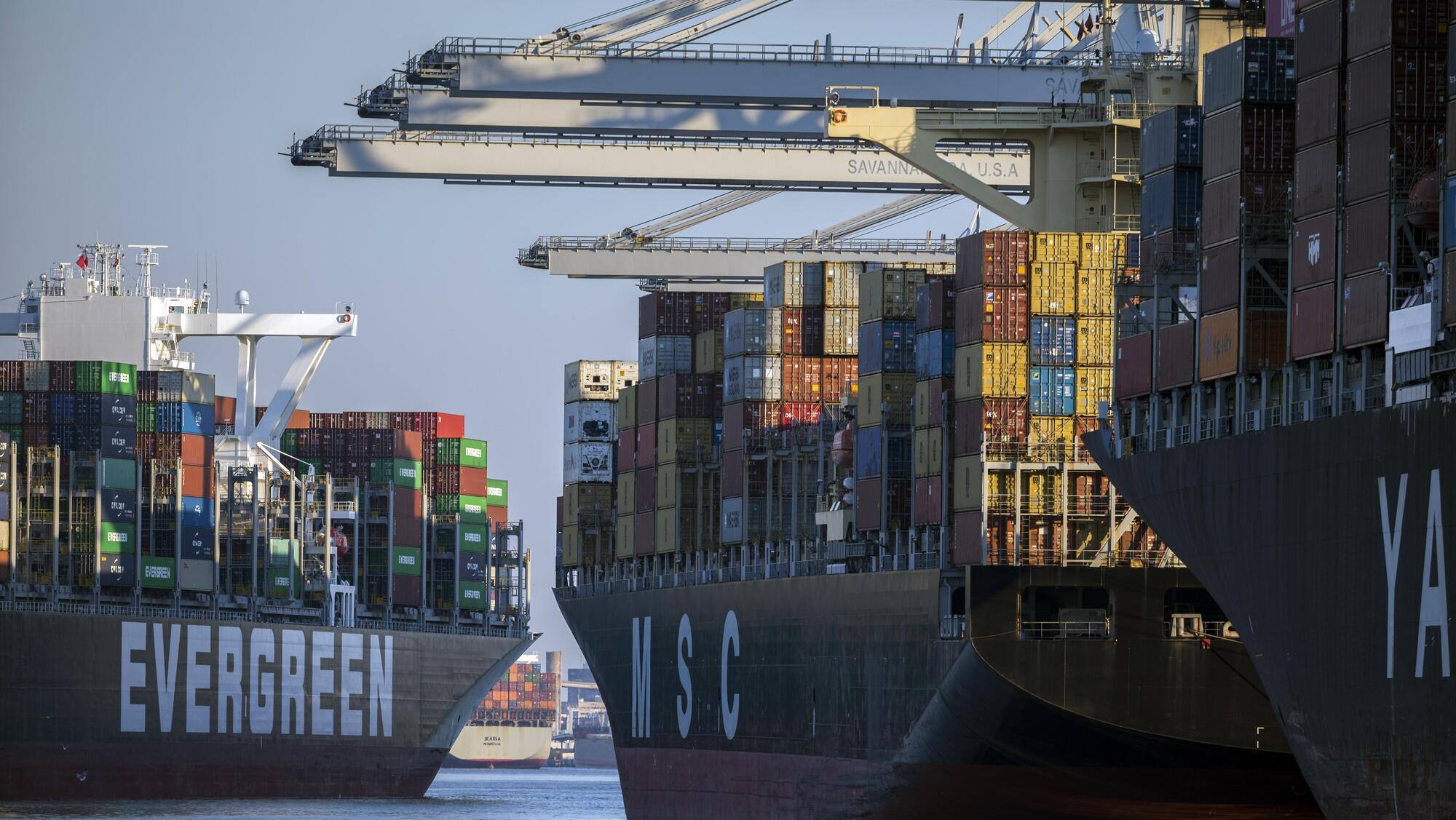
Many exporters believe Ireland may be part of collateral damage from the rising trade tension between the US and China and could lead to a re-assessment of Ireland’s positioning as an outpost for US multinationals supplying into Asia. File Picture: AP
The China market moved into full throttle so far this year and retail sales grew fastest, buoyed by a recovery in consumption after Beijing abandoned strict covid restrictions at the end of 2022.
Growth is expected to be boosted further with a record-breaking 320,000 business executives from 40 countries, jostling their way around the Canton Fair, expect to close deals for 2023 to make up for the lost sales during the covid years.
The Canton Fair, China’s major export and import fair and one of the largest globally, which ran from April 15 to May 5, has been a key event for many Irish traders who traditionally use the event to close out deals right up to deliveries for Christmas.
Also, this year there was a strong attraction for Ireland’s SMEs trading in the green space, as a new sector was established with well over 500,000 green and low-carbon products on display.
However, despite the return to rapid growth, Ireland's exporters to China are facing a sudden lack of interest in their offerings.
So far this year, Irish exports to the market fell by an unprecedented one third across January and February, according to the Central Statistics Office, despite the return to rapid growth in the Chinese economy, in what seems to herald a new low in Sino-Ireland commercial relations.
Adding to the worry is the fact that exports to China from other EU member states did not fall in the year to date.
Many exporters believe Ireland may be part of collateral damage from the rising trade tension between the US and China, and could lead to a re-assessment of Ireland’s positioning as an outpost for US multinationals supplying into Asia.
There is also the concern that China is pushing all suppliers to the market to switch away from trading in US dollars to their local currency the Yuan, again potentially impacting on Irish exports to the market.
Meanwhile, the US Chamber of Commerce stated in April that China’s new counter-espionage law has “dramatically” increased the risks and uncertainties of doing business in that country by casting a wide net over the range of documents, data, or materials considered relevant to national security.
A more in-depth look at the CSO releases indicates the vast bulk of the export loss sales has been in computer hardware and peripherals products. These are mainly associated with US manufacturers located here, indicating that the deteriorating political relationships between the US and China may have reached the Irish-based manufacturing facilities.
But complicating the picture are the range of China-owned companies with facilities in Ireland and trade extensively internationally, such as Huawei, Tencent, Lenovo, Chinasoft, SATIR, and Firecomms, which may be creating tension for US companies here, who may worry about security risk.
Further to this is the complication arising from the close relationship between Russia and China.
The EU has deplored what it sees as China’s "pro-Russian neutrality in the aggression by Russia against Ukraine".
Currently, there is merely diplomatic tension, but this could change if Beijing is found to be furnishing arms to support Vladimir Putin’s war effort.
The Chinese government has denied having any such intention and, despite the US secretary of state’s claim in February that Beijing was considering the provision of ‘lethal support’, no evidence for this has come to light, though suspicion has been attached to the Chinese supply to Russia of ‘dual-use’ technologies.
If this red line were crossed, the US, the EU, and Ireland would indeed be confronted by a united anti-China pact on both its diplomatic and commercial relations, and Irish trade with China could well be severed.
A sanguine business review of prospects in China’s market and the country’s commitment to higher-level opening-up is prompting multinationals across the globe to try to expand their presence there. However, the political tension is putting a counter-pressure on businesses and creating winners and losers, depending on risk appetite.
The big worry is that Ireland and its exporters could be the losers, with a potential loss of €12bn in exports sales over the next 12 months.
However, a peaceful settlement of relationships with China offers its ability to lift global economic growth.
In these circumstances, the International Monetary Fund (IMF) predicted in April that China’s economy will grow by 5.2% in 2023, indicating that the greatest spillovers will be to countries with strong trade links to China.

CONNECT WITH US TODAY



Be the first to know the latest news and updates