Neil McDonnell: Stress-test of finances a must for the future
Ireland has to plan around risks ranging from our dependence on FDI and threats to energy security to the risk of stagflation 
Neil McDonnell: Stress-test of finances a must for the future

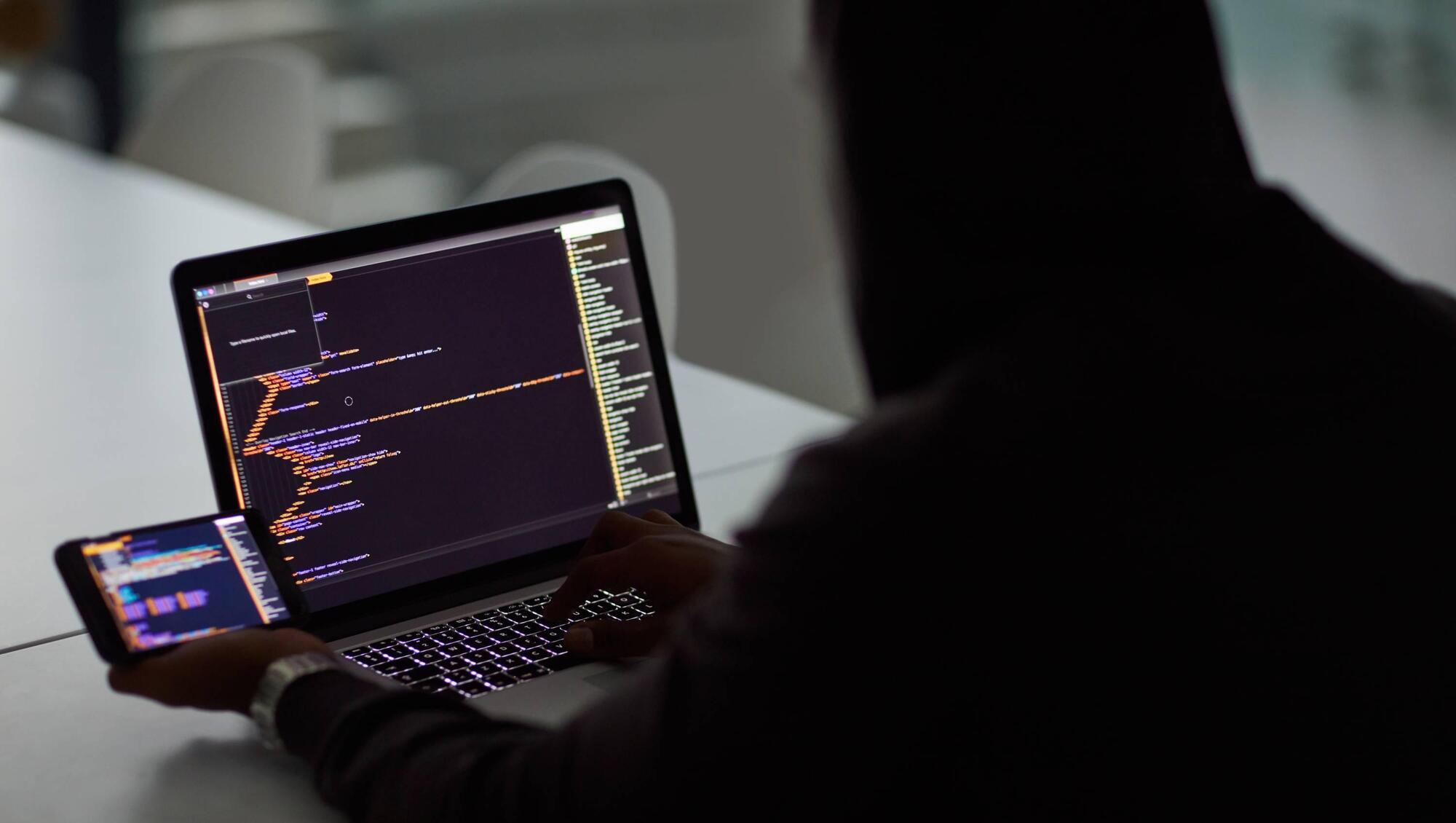
Ireland's National Risk Assessment had warned of the peril of cybercrime in 2014 but the country did essentially nothing, leaving it unprepared for the HSE attack in May 2021.  iStock

The collective Irish attitude to risk assessment is peculiar. We are an optimistic bunch of people. If something hasn’t happened to us before, we perceive little risk of it happening to us in the future; we plan (or don’t plan) accordingly.

Irish people considered “cyberattack” in the same category as Hollywood blockbusters until the HSE’s IT systems were taken down in May 2021 by a ransomware attack. We have yet to fully account for the financial and health costs of this attack.


Ireland started carrying out the “National Risk Assessment” (NRA) process in 2014. Interestingly, that first NRA identified the risks associated with cyberattack, pandemics, and potential Brexit. As it was conducted just after the Russian annexation of Ukraine, it also identified a potential energy supply crisis. With the arguable exception of Brexit, which was an imminent political risk, Ireland did nothing to counter any of the other risks identified in that first NRA.

It would be interesting to see what the Irish political system would do if it was forced to use the same test our courts apply to risk in personal injury cases — that is, whether a risk was “reasonably foreseeable".

In that vein, ISME’s pre-budget submission will identify for Government a number of longer-term risks we believe Government must plan to address.

Financial vulnerabilities

The biggest risk of course is to our national finances. In a week where it was confirmed that just one company, Microsoft Ireland, accounted for almost 4% of Ireland’s total tax take, we must prepare for an eventuality where one or more of our large multinationals depart our shores, taking their corporation tax with them. 

Government must also stress-test our exchequer finances in anticipation of a permanently elevated interest rate environment.

While we have been worried lately about artificial intelligence engines helping students cheat their way through school or college, platforms such as ChatGPT have already demonstrated an ability to write software code. What will Ireland do if AI displaces or replaces high-technology jobs, particularly in our multinational sector?

And if AI does replace knowledge workers, what is the capacity of the State to retrain large cohorts of them as technology alters their work requirements and patterns?

AI is not the only threat to our multinational sector. 

Pandemic scars

The covid pandemic greatly increased political pressures in the US and the EU to “de-globalise” and to “re-shore” essential products such as medicines, vaccines, and computer chips. All three are sectors of deep multinational presence in Ireland.

Besides long covid, the pandemic had other scarring effects. The mountains of money that governments and central banks threw at the pandemic were little understood at the time, with many economists advocating the continuation of modern monetary theory (MMT), AKA the magic money tree, AKA money printing. 

We are now suffering the hangover effects of all this free money as asset prices, particularly housing costs, spiral out of reach of workers, and food and commodity prices continue to inflate. 

Some of us are old enough to remember stagflation in the 1970s when prices rose, but wages didn’t follow them. It wasn’t pleasant then, let’s hope it doesn’t return.

Global risks

The lack of a true currency union for the euro, and the continued travails of some eurozone countries means the long-term stability of the euro remains in question. How quickly could Ireland replace the euro, and with what?

One interesting side effect of the war on Ukraine and the sanctions against Russia has been the weaponisation of international finance. In reaction to this, China has greatly expanded the use of the renminbi (yuan) in international settlements, and as a reserve currency. Russia, Brazil, Pakistan, and an increasing number of African countries conduct their trade with China in yuan. How will Ireland be affected as the yuan progressively becomes a global reserve currency?

Ukraine is unlikely to be the last conventional war this century. Ireland must consider the potential impacts of a conventional land or sea conflict in the eastern EU, or in the western Pacific, on our economy and defensive stance. Irish reunification must also be planned for.

Climate change is already here. Munster and Leinster will suffer progressive coastal inundation, internally displacing substantial numbers of people from Cork, Waterford, Wexford, and Dublin. We must also plan for large inward migration from Africa as regions become uninhabitable.

Planning for these risks now is a far better policy than hoping they don’t happen.

More in this section

The Business Hub

Newsletter

News and analysis on business, money and jobs from Munster and beyond by our expert team of business writers.

Cookie Policy Privacy Policy Brand Safety FAQ Help Contact Us Terms and Conditions

© Examiner Echo Group Limited