Food prices erupt to test the weak link in Europe’s inflation chain
For many governments, the challenge is figuring out how to protect consumers without distorting markets.
Europe’s battle with the worst cost-of-living crisis in a generation is far from over, and food is the latest focal point.
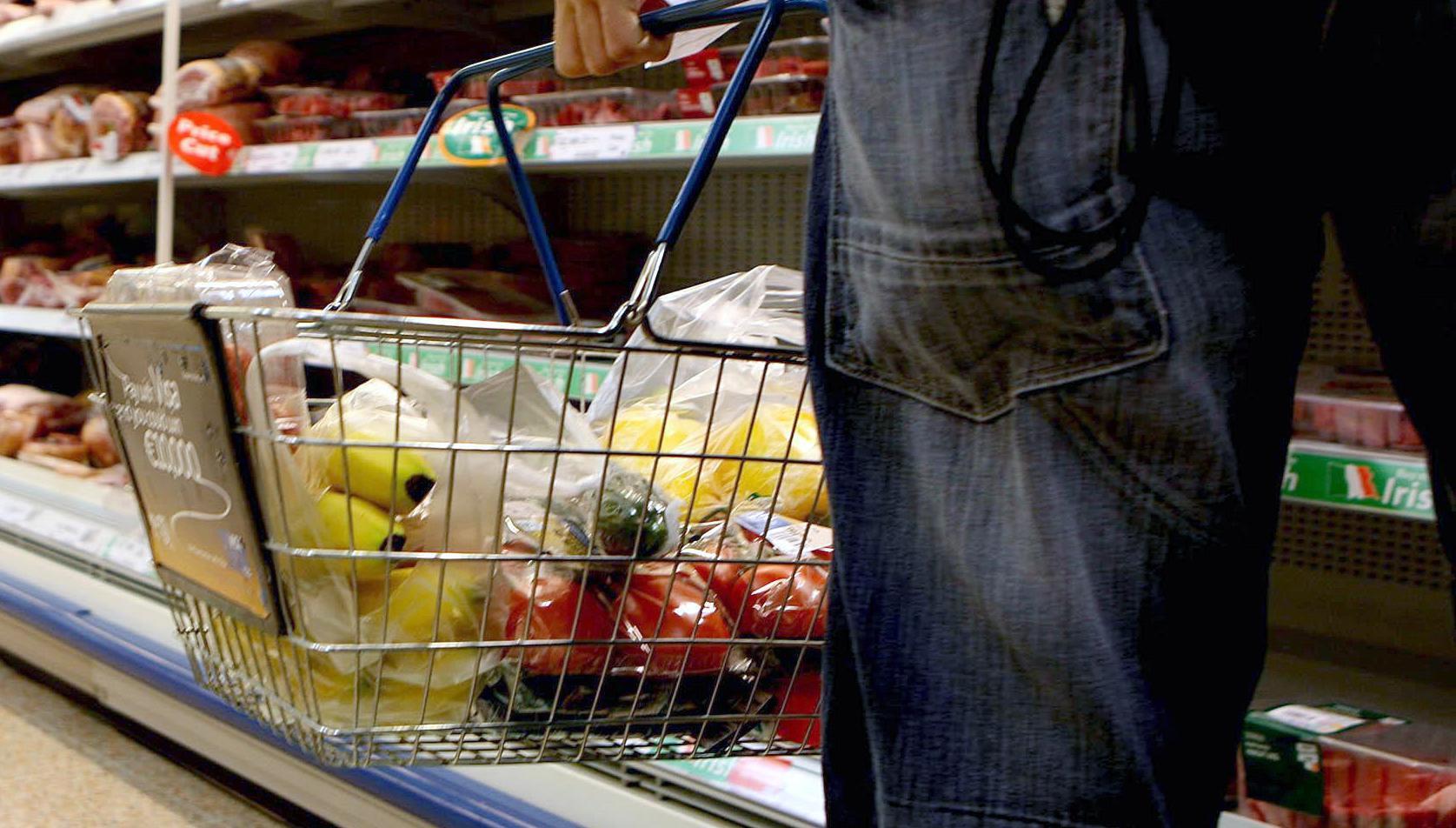
Even as headline inflation starts to ease, the upward pressure on food prices remains firmly in place. That means a large chunk of household spending, the weekly supermarket trip, is rapidly getting more and more expensive. To take just one example, sugar surged to the highest in more than a decade last week.
For governments, there’s an urgency to act given how the inflation squeeze has already left many families struggling to make ends meet, sparking strikes and protests across Europe as workers seek bigger pay demands.
In some parts of the eurozone, food prices are rising at a pace not seen in postwar history, according to Rabobank Group senior economist Maartje Wijffelaars. Data last week showed euro-area inflation eased to 6.9% in March. In France, it slowed to 6.6%. But food-price gains accelerated to about 16%. It’s a similar story in Germany, where food inflation is above 20%.
That’s prompting more European governments to step up measures to stem the pace of increases, policies typically pursued by lower-income countries. Portugal scrapped taxes on essential items, while France has pushed supermarkets to take a hit on margins and Sweden stepped up scrutiny of grocers.
“You don’t think it will happen in a place like Europe, but with food prices going 15-20%, for some food items even more, governments are getting increasingly nervous,” said Angel Talavera, head of European economics at Oxford Economics.
Tackling food inflation is more complicated than interventions in more regulated energy markets. Multiple factors have been driving prices higher, from droughts and trade-flow disruptions to fertiliser costs and diseases like bird flu. On top of that, higher energy and labour costs are squeezing food producers and growers.
While the intervention so far is small compared with the sheer scale of the energy support, it still signals increasing anxiety.
For many governments, the challenge is figuring out how to protect consumers without distorting markets.
With consumers getting squeezed and many businesses enjoying healthy profits, there are accusations that the inflation pain is all falling on shoppers.
Supermarket chains in Portugal have been the target of price inspections, and Spain has started monthly meetings with stores, transportation firms and food growers to make sure tax cuts translate to lower prices for consumers.
In Sweden, grocers have faced increased scrutiny after data showed that food prices are rising at the fastest pace since the early 1950s. That prompted calls for price caps, and the three largest food retailers were summoned by the country’s finance minister.
- Bloomberg
CONNECT WITH US TODAY



Be the first to know the latest news and updates