Accusations of greenwashing could confound Europe's net zero plans
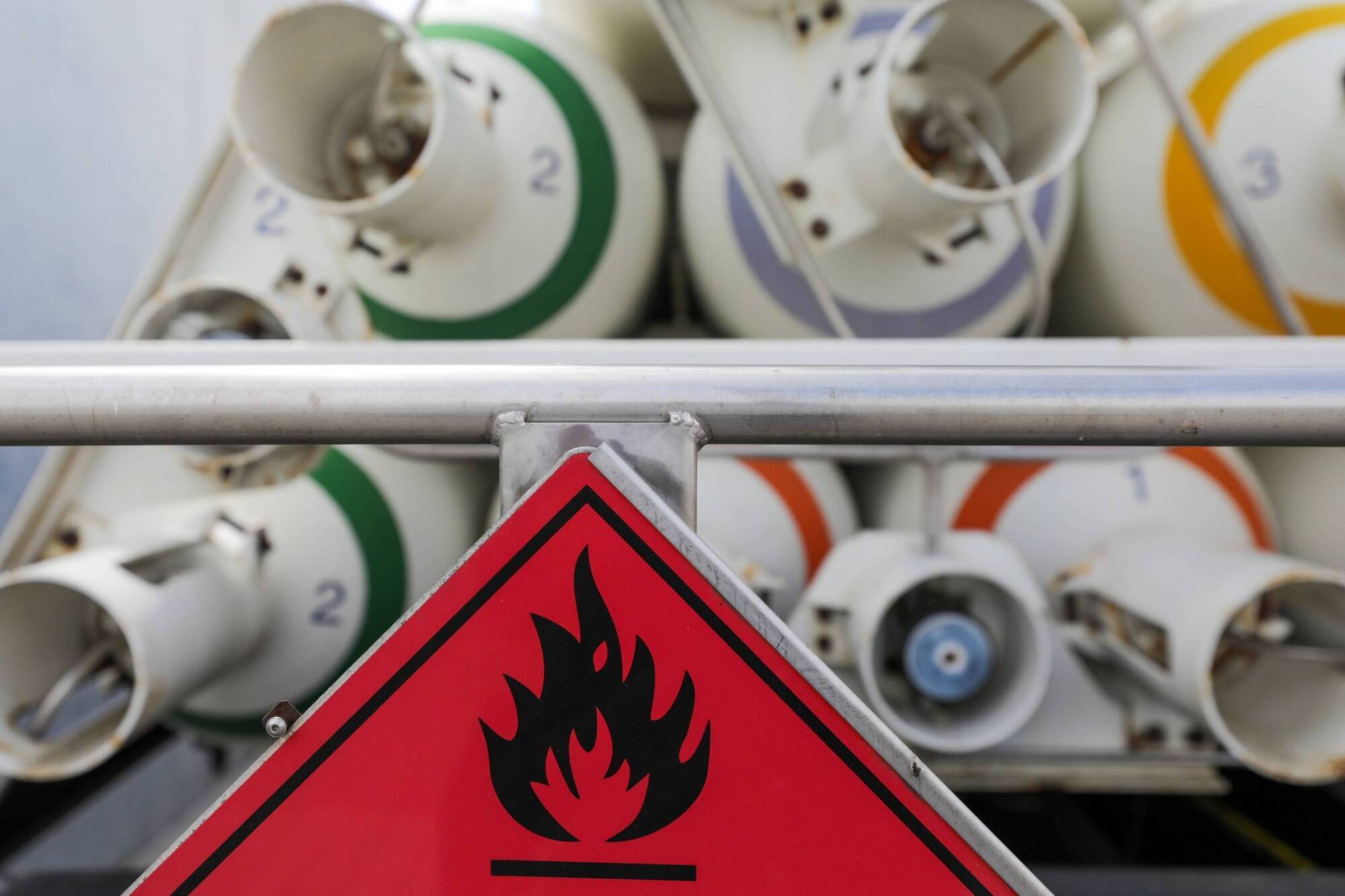
Converting natural gas to clean hydrogen is a good idea in principle but, at present, the process is bedevilled by inefficiency
Inefficiency remains a challenge for ‘clean hydrogen’ producers: By the time the gas is made, stored, and burned to make electricity again, there’s nearly 70% less energy than at the start — and the cost has tripled. Stock picture
Inefficiency remains a challenge for ‘clean hydrogen’ producers: By the time the gas is made, stored, and burned to make electricity again, there’s nearly 70% less energy than at the start — and the cost has tripled. Stock picture

European utilities are pushing to build power plants that would burn natural gas now and then be switched to burn clean hydrogen down the road. However, the technology they’re depending on wastes energy and opens the door for accusations of greenwashing.

RWE, SSE, and Equinor say the swap will be easy once green hydrogen becomes plentiful and cheaper. The concept is so popular that Germany, Europe’s biggest energy user, is counting on the clean fuel to help it achieve 100% renewable-power production by 2035.

A significant obstacle to those plans is hydrogen’s inefficiency. By the time the gas is made, stored, and burned to make electricity again, there’s nearly 70% less energy than at the start — and the cost has tripled.

Plus, there may not be enough clean-tech to produce that hydrogen, leaving an opening for fossil fuels.

“There’s a huge scope for these ‘hydrogen-ready’ claims to be greenwashing if there aren’t conditions set,” said Sarah Brown, an analyst at London-based climate think tank Ember. 

“Operators or people who are going to build gas plants can just come out and say, ‘Yeah, yeah, yeah, it’ll be hydrogen-ready,’ without any definition of what that means.”

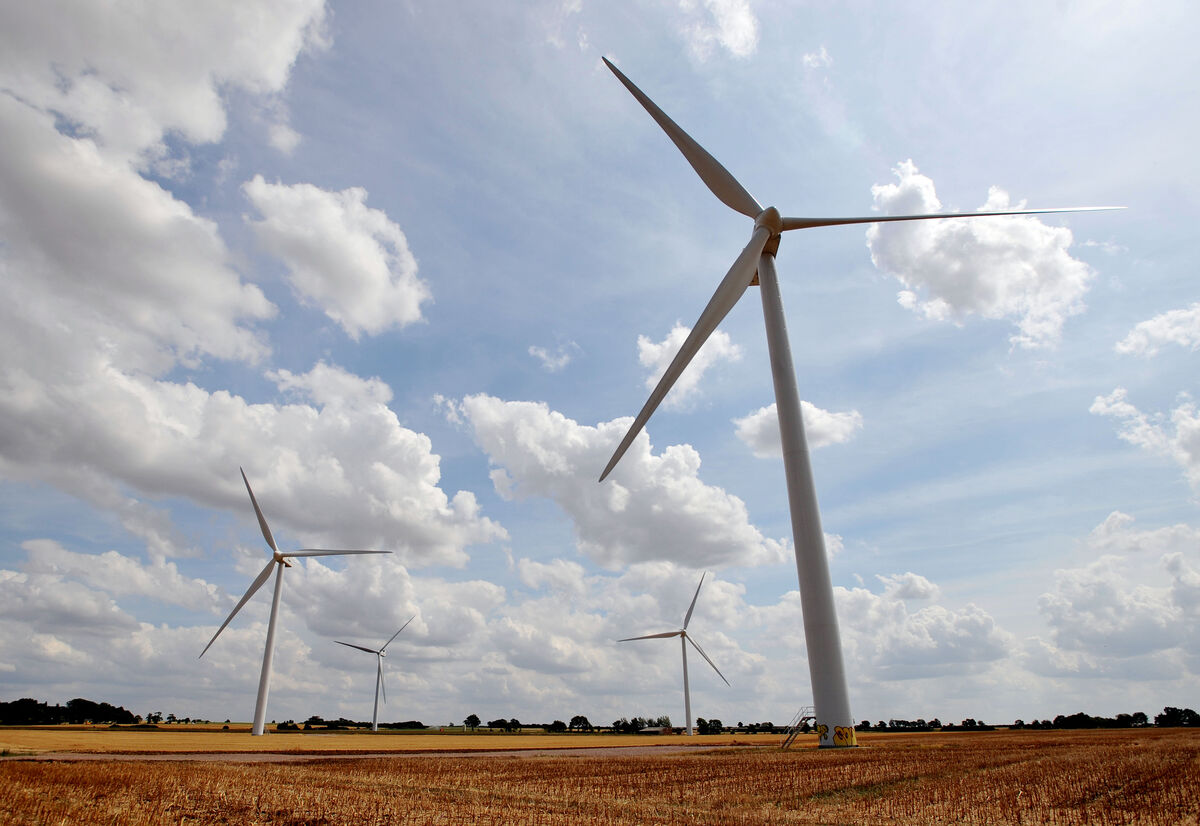
Europe is falling behind on goals to expand its renewable fleet, with spending on wind farms hitting the lowest level in more than a decade.

Governments are steering their economies through the worst energy crisis in decades with policies to guarantee domestic supply and double down on low-carbon technologies that help prevent catastrophic climate change. 

Many are counting on hydrogen to help them wean off polluting sources.

Yet with targets to eliminate grid emissions little more than a decade away, there’s significant risk these natural gas plants won’t transition to cleaner hydrogen fast enough and instead will become hindrances to climate goals or stranded assets.

“We’re looking at this very sceptically and concerned,” said Constantin Zerger, an expert with nonprofit Environmental Action Germany.

“Most of the turbines you buy today aren’t even 100% hydrogen-capable yet.”

If such conversions don’t happen, there’s no clear backup plan to cut emissions while keeping the lights on.

Europe is falling behind on goals to expand its renewable fleet, with spending on wind farms hitting the lowest level in more than a decade.

Countries have shown during this crisis that they’ll go to great lengths to maintain energy supplies. Come 2035, if plants can burn hydrogen but don’t have enough of it, there’s a clear opening for natural gas.

“What we learned in the last year was when you look at sustainability, affordability and security of supply, when security of supply is in danger, the rest doesn’t matter,” RWE chief executive Markus Krebber said.

Germany is preparing tenders for another 25 gigawatts of power generation and would assemble the infrastructure for importing liquefied natural gas to fuel the plants. The government theorises the sites eventually will run on hydrogen, which only releases water vapour when burned.

Green hydrogen’s main advantage is that it’s a way to store electricity produced by wind farms and solar parks for use in the future. Unlike batteries that are only good for a few hours, hydrogen can be kept for months. That would mean Spanish solar farms could produce fuel all summer and then ship it so Germany can burn it in winter.

Ultimately, hydrogen’s higher cost could balance out over time. If renewables are abundant, electricity will be cheaper when there’s a lot of wind or sunshine, so that’s a great time to make hydrogen.

In Europe, it likely will be the most economical option for long-term, zero-carbon storage. Places like the US, which has abundant natural gas, could use carbon capture to create low-carbon hydrogen or just burn gas directly, but Europe doesn’t have that option.

“In the future with high shares of renewables, we need backup,” said Matthias Deutsch, an analyst at Berlin-based think tank Agora Energiewende. 

“It’s an expensive option, but it’s the key technology for long-term seasonal storage.”

  • Bloomberg

x

More in this section

The Business Hub

Newsletter

News and analysis on business, money and jobs from Munster and beyond by our expert team of business writers.

Cookie Policy Privacy Policy Brand Safety FAQ Help Contact Us Terms and Conditions

© Examiner Echo Group Limited