Rising interest rates reshaping once-lucrative commodity trades
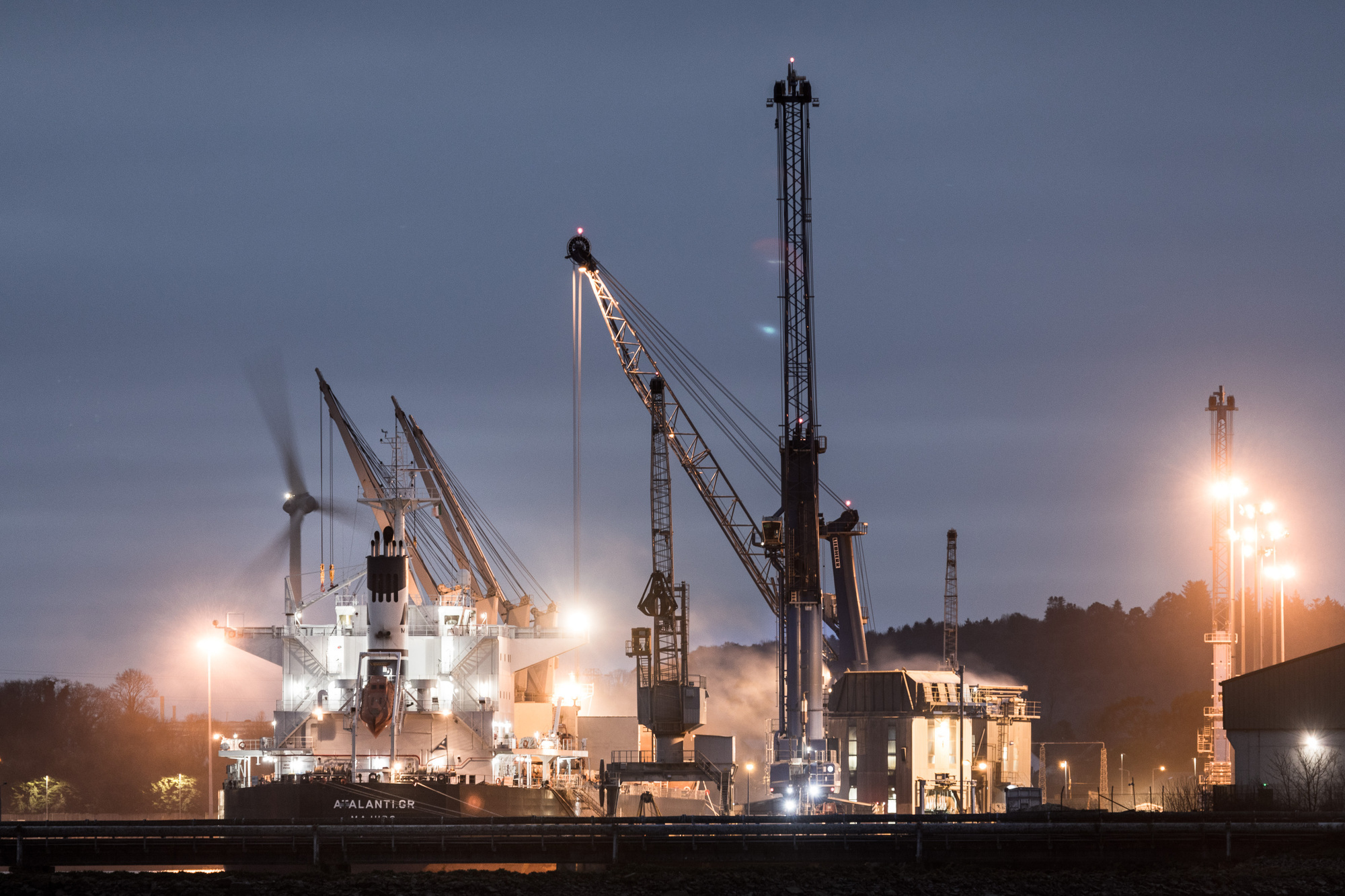
As rates rise, the additional costs of a weeks-long journey or extended storage are making certain trades far less attractive. Picture: David Creedon
Higher interest rates are forcing commodity traders to rethink some deals and push up prices, in the latest example of how a period of rapid central bank hiking is reshaping global business.
The companies that buy, sell, and transport the world’s natural resources are particularly vulnerable to rising rates, because they rely on banking lines to finance their trades, from shipping a cargo of wheat or oil to holding inventories of aluminium.
As rates rise, the additional costs of a weeks-long journey or extended storage in a warehouse or tanker are making certain trades far less attractive.
The financing cost can dictate whether deals are made or not, and some companies are seeking to pass on the expense to their customers, or getting out of some trades completely.
“It is totally reshaping the supply chain, we have clients coming to us and saying they have to reconsider their business models because of interest rates,” said Pierre Galtié, head of commodity trade finance at Banque de Commerce et de Placements.
The pressure on commodity traders is an example of how the end of the era of cheap money is changing the business world. But unlike in sectors such as technology and crypto, the business cycle for commodities traders has moved in the opposite direction, cushioning the blow, so that they are making record profits even as interest rates rise.
The industry earned an estimated $115bn (€106bn) in 2022 even accounting for costs such as freight and finance, according to consultancy Oliver Wyman, an increase of nearly two-thirds from a year earlier.
Interest rates are only one element of costs that go into a typical commodities deal, even just moving products from one port to another means chartering vessels and taking out insurance for the trip.
Then there is the cost of hedging derivatives to lock in the cargo’s price, and collateral in the form of margin to enable those positions.
However, the industry is particularly exposed to rising rates because trading houses rely on bank credit for the huge amounts of money needed to buy, transport, and store big volumes of commodities.
The sums accruing interest add up quickly. For example, at current prices, a typical LR1 tanker shipment of fuel oil could cost around $46m, and a mid-size oil trader is likely to have several in transit at any one time. Trading giant Trafigura Group had total credit lines of $73bn at the end of its last financial year, with a network of about 140 banks around the world.
One area where interest rates are a central factor is when traders purchase and hold commodities. For example, storing metal in warehouses for an opportune moment to sell has been a feature of the aluminium market since interest rates were set to near-zero levels after the 2008 financial crisis.
As rates have risen, futures prices have traded at a growing premium, or “contango”, over cash rates to reflect the higher cost of carry. But even the widest contango since 2008 is only just enough to compensate for more expensive financing, said Duncan Hobbs, head of research at metal trader Concord Resources.
“The spread has to move out to compensate, and if that doesn’t happen you can imagine some people will walk away from that space,” he said.
In other cases, increased costs of finance for traders are being reflected in higher prices charted to the end customer. Costs of small-volume oil contracts to buyers based in the Caribbean have “gone up very significantly this year,” says Michael Winstone, director of crude and fuel oil at trading house Novum Energy Trading.
“It depends on the exact logistics but I think with the finance costs in addition to higher shipping rates, some of our diesel and fuel oil sale contracts have gone up between $6 (€5) to $10 a barrel,” he said.
Mr Galtié said the ability to keep profits steady by raising prices and maintaining margins can sometimes be a question of scale, and mid-sized players are under more pressure.
Still, even the biggest players are having to weigh the added costs.
“Right now, liquidity is limited and capital’s expensive. So what it means is that if you’re going to want to operate in the market, you need higher margins to cover your operating base,” said Christopher Bake, a member of the executive committee at the world’s biggest independent oil trader, Vitol Group.
- Bloomberg
CONNECT WITH US TODAY



Be the first to know the latest news and updates