ECB’s resolve to hike sets the stage for lots of euro whiplash
This week alone has brought several surprises for euro traders.
ECB’s resolve to hike sets the stage for lots of euro whiplash

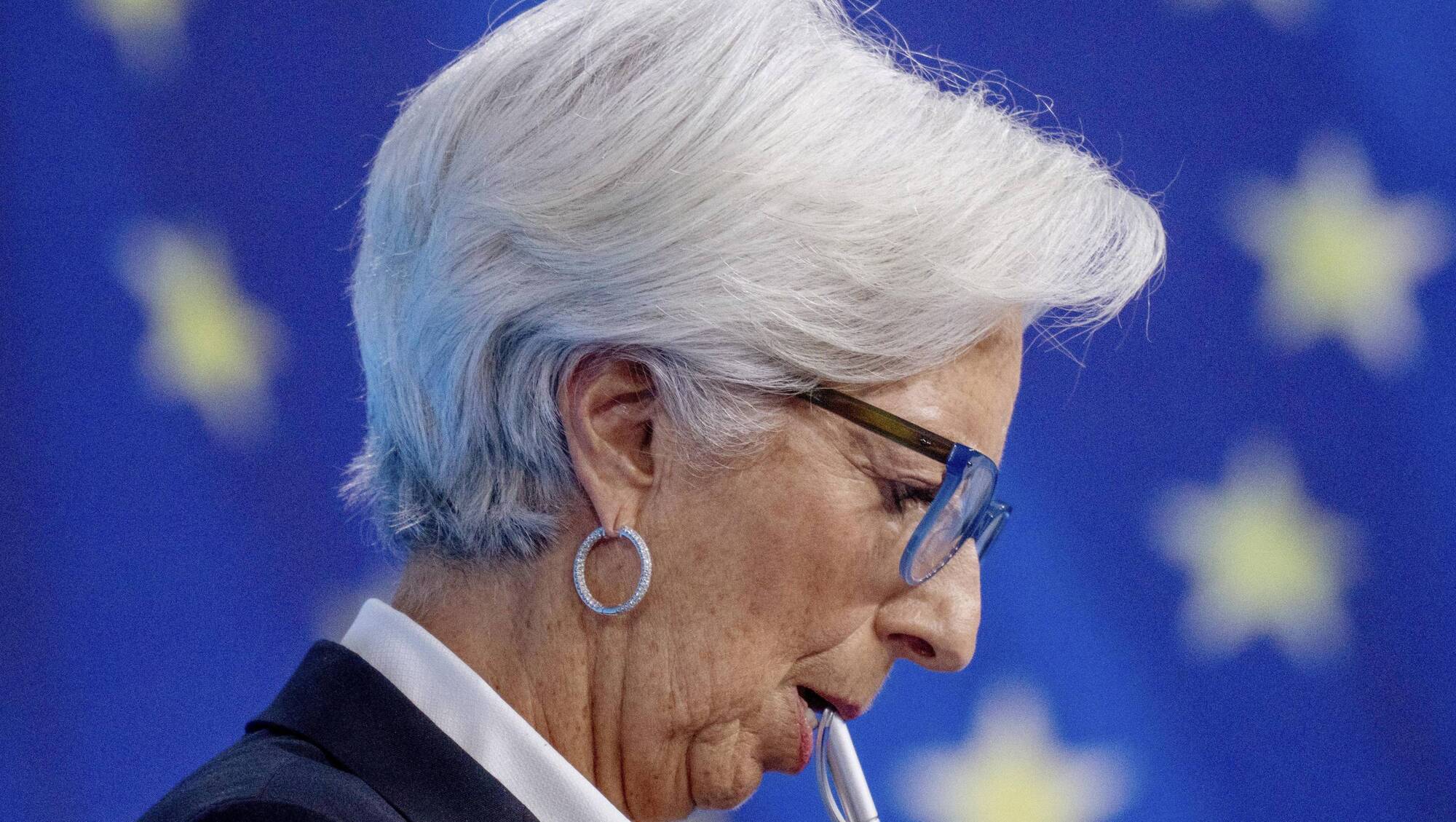
ECB President Christine Lagarde says “stay the course” is her new mantra. Photo: AP /Michael Probst.

Volatility in the euro has calmed down after a tumultuous 2022, sliding at the fastest pace ever. That’s leading some currency players to think it’s worth starting to bet on greater swings.

There’s a consensus among global investors that things will quieten down now that inflation is easing and the Federal Reserve is taking its foot off the gas on rate hikes. Yet European policymakers keep pushing back against that market positioning, setting the scene for renewed volatility in the euro.

The common currency’s implied volatility over the next year is well below its past-year average at under 8%, after surging above 11% in the wake of Russia’s invasion of Ukraine. That looks like an opportunity to hedge risks for Societe Generale’s Olivier Korber.

“We are now almost at the lows since the outbreak of the war in Ukraine, and this is an important level, which will likely act as a floor,” said Korber, a currency and derivatives strategist. “With hawkish comments from the ECB, and more hikes in Europe to come now, there will be likely more turbulence in euro-area rates, which is likely to be channeled into euro-dollar FX volatility.”

This week alone has brought several surprises for euro traders. First came a report that the European Central Bank (ECB) is considering a slower pace of interest rate hikes, which drove down the currency on Tuesday, before a recovery on Wednesday as weaker-than-expected US economic data hit the dollar.

Then a series of ECB speakers insisted policymakers won’t let up in efforts to return inflation to their target, given prices remain far too elevated, with president Christine Lagarde telling Davos that “stay the course” is her new mantra. That led a gauge of one-year volatility to rise on Friday as traders amped up bets on rate hikes.

“The major risks to the drop in long-term volatility include unexpected news regarding the Fed or the ECB, prompting a repricing of current market expectations,” said Roberto Mialich, a foreign-exchange strategist at UniCredit. “That’s as well as the usual lingering risks from geopolitics or Covid-19 contagion.”

Global currency volatility, as measured by a JPMorgan Chase index, has dropped this year after sliding in the fourth quarter of 2022 at the fastest pace since the aftermath of the pandemic. For the euro, it’s been an even sharper move. The quarterly slide in implied volatility was the biggest on record.

Even so, actual or realised volatility in the past year has been much higher, at well above 10%. The gap between the two now suggests that the options are at the most underpriced levels since the global financial crisis. 

Money markets are pricing in the ECB rate peaking in July and then the Fed cutting by the end of this year, while options traders have switched to bet on a weaker dollar. Both of these have been suppressing longer-term volatility.

- Bloomberg

x

More in this section

The Business Hub

Newsletter

News and analysis on business, money and jobs from Munster and beyond by our expert team of business writers.

Cookie Policy Privacy Policy Brand Safety FAQ Help Contact Us Terms and Conditions

© Examiner Echo Group Limited